
Raw Materials Selection Procedure for Battery Cell Manufacturing
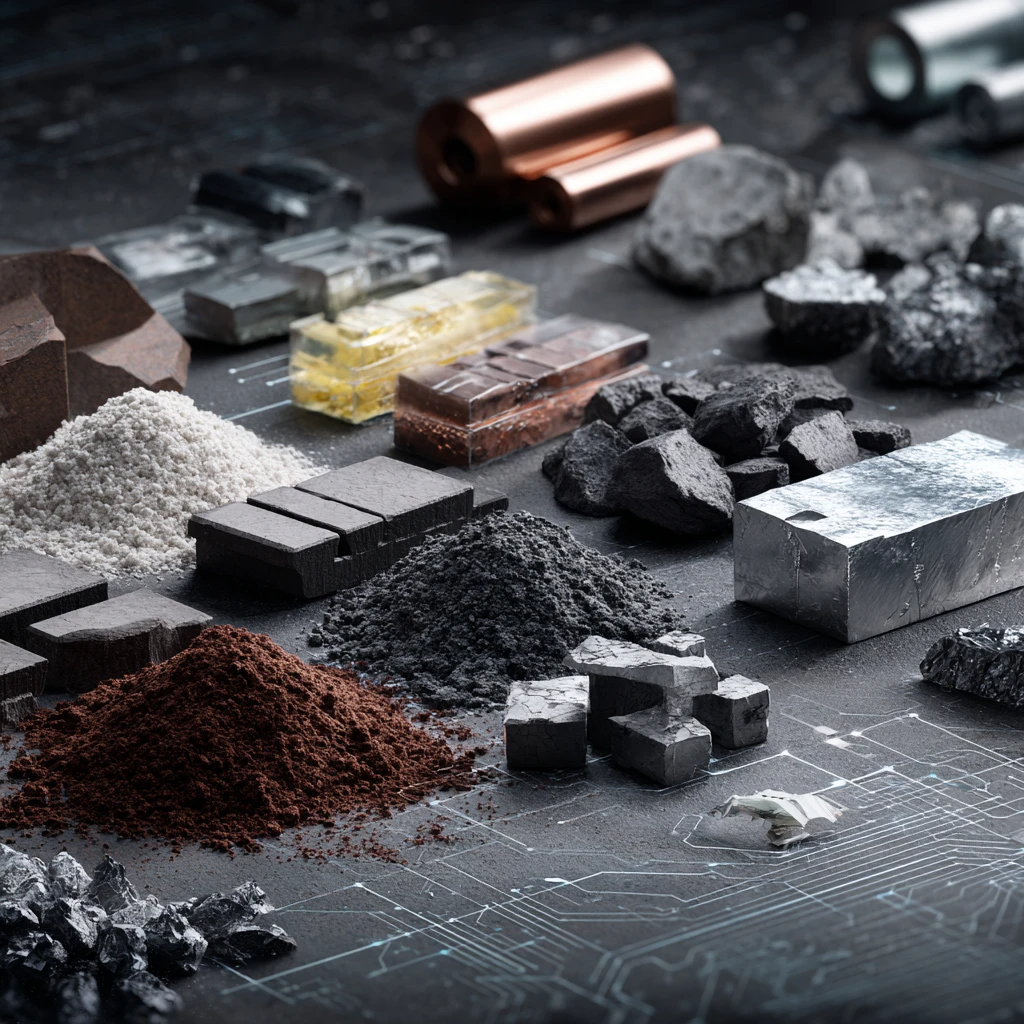

Raw Materials Selection Procedure for Battery Cell Manufacturing
Selecting the right raw materials is critical for ensuring battery safety, longevity, performance, and cost-efficiency. Here's a step-by-step guide to selecting and qualifying materials for battery cell production:
1. Define Application and Performance Requirements
Begin by clearly identifying the application (e.g., EV, ESS, consumer electronics) and define key performance targets:
- Energy Density
- Cycle Life
- Thermal Stability
- Cost per kWh
- Safety & Abuse Tolerance
- Sustainability (e.g., cobalt-free options)
Example: For electric two-wheelers in India, LFP cathodes may be preferred over NMC due to lower cost and good thermal stability despite lower energy density.
2. Choose Your Approach: R&D on Commercial vs Emerging Materials
Example: Tesla shifted from NCA to high-nickel cathodes after extensive in-house R&D to increase energy density and reduce cobalt use.
3. Create a Selection Matrix
This helps in rational decision-making and aligning materials with business and technical goals.
4. Lab-Level Testing and Qualification
Once shortlisted, conduct tests in a lab setting. This includes:
- Material Purity & Structure
- Electrochemical Performance
- Thermal Stability
- Chemical Compatibility
- Environmental Degradation (humidity, temperature)
Create coin or pouch cells to test materials in real-world battery configurations
5. Qualification Criteria for Manufacturing
Before moving to pilot or commercial scale, validate:
- Supplier reliability (volume, consistency, documentation)
- Batch-to-batch reproducibility
- Compatibility with other components (binder, electrolyte, separator)
- Long-term stability and aging results
- Manufacturing process compatibility (e.g., calendaring behavior of electrode)
Standard References: ISO 12405 (Battery Testing), IEC 62660 (Automotive Batteries), UL 2580 (Safety)
6. Instrumentation Required for Material Evaluation
This helps in rational decision-making and aligning materials with business and technical goals.
7. Pilot Scale Validation
Build limited batches (e.g., 100–1000 cells) to validate:
- Electrode manufacturability (slurry, coating, drying)
- Cell performance (capacity, cycle life, safety)
- Scaling behavior (consistency, yield rates)
Example: A European gigafactory validated a high-nickel cathode from a new supplier through pilot lines using dry electrode coating before final approval.