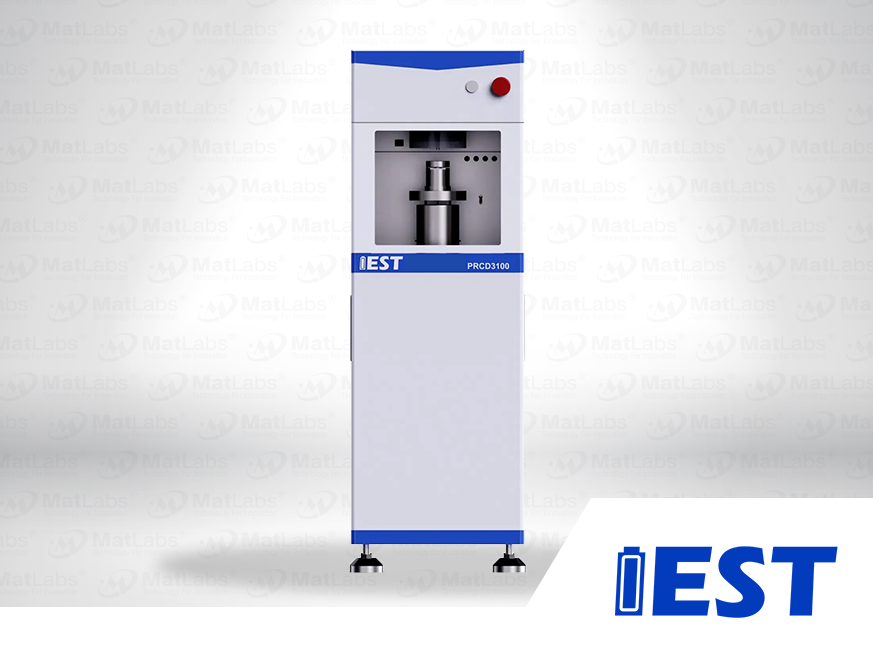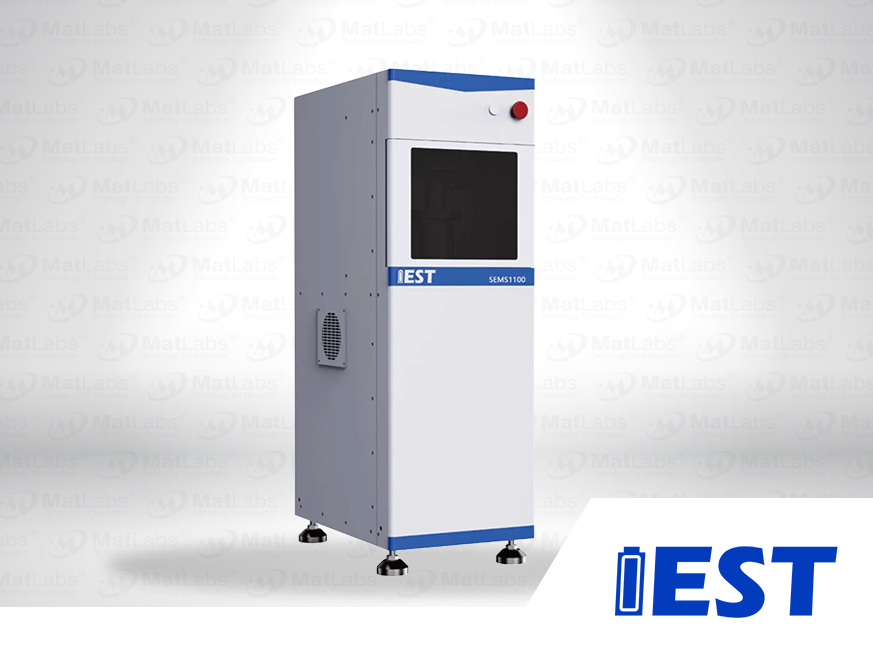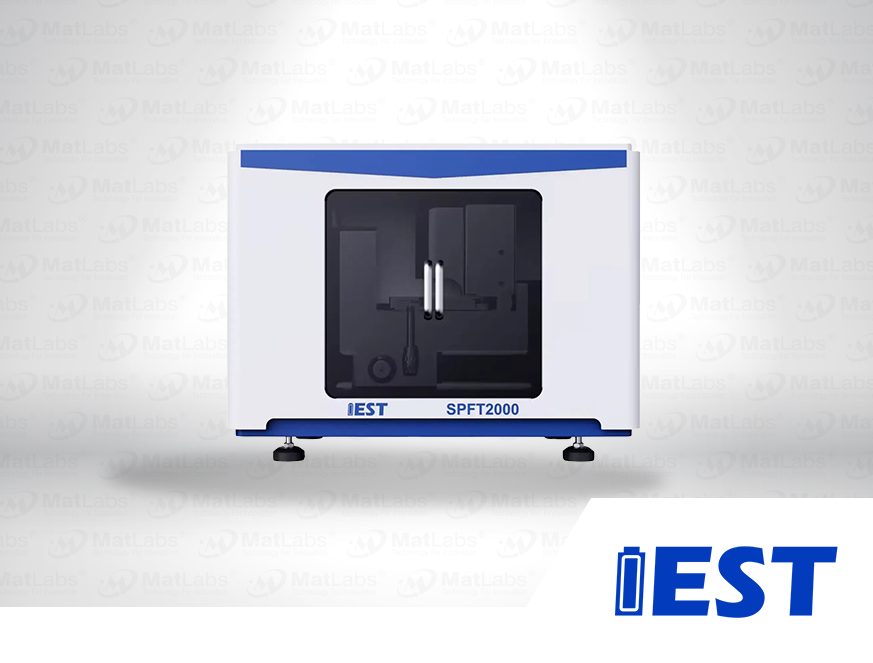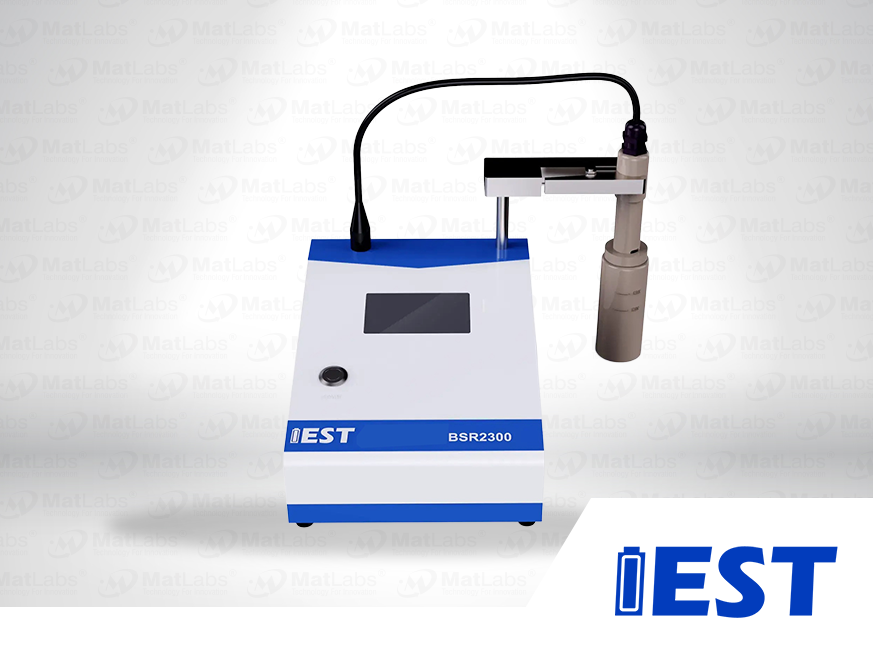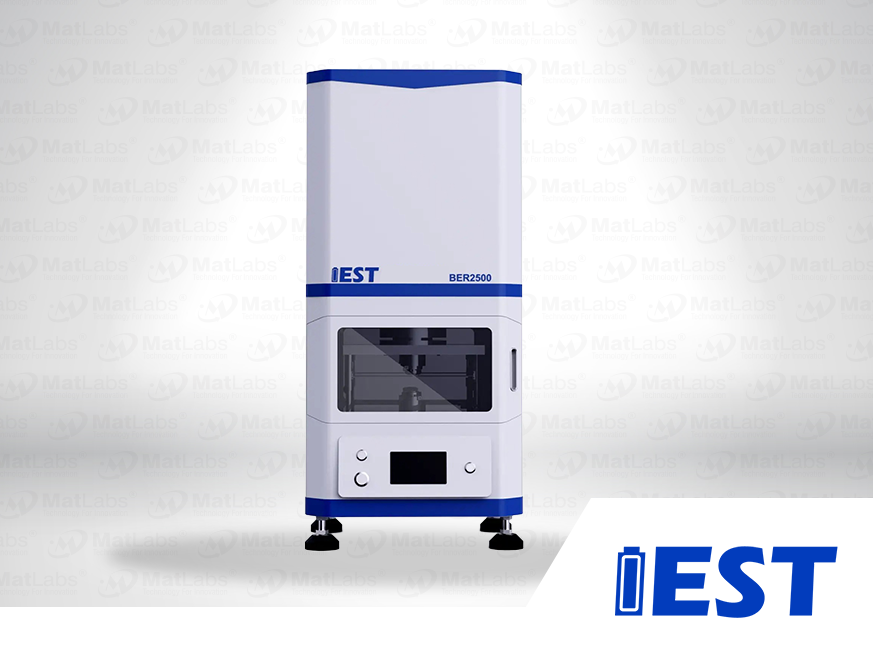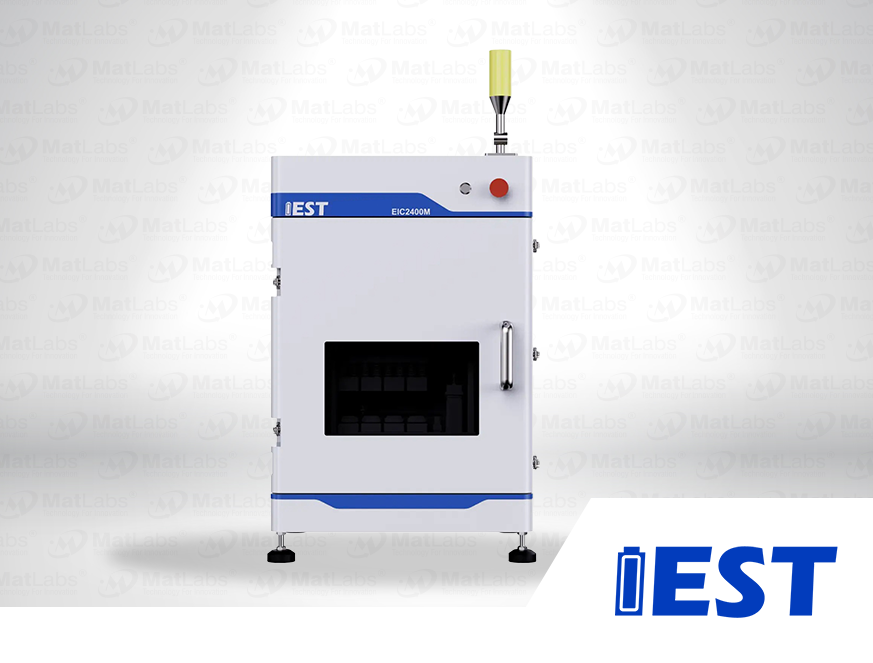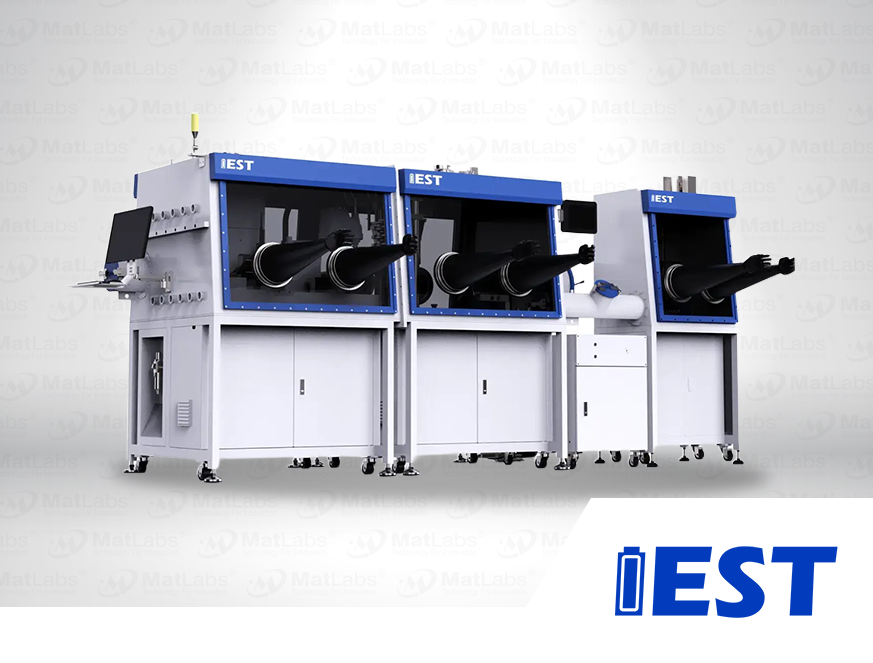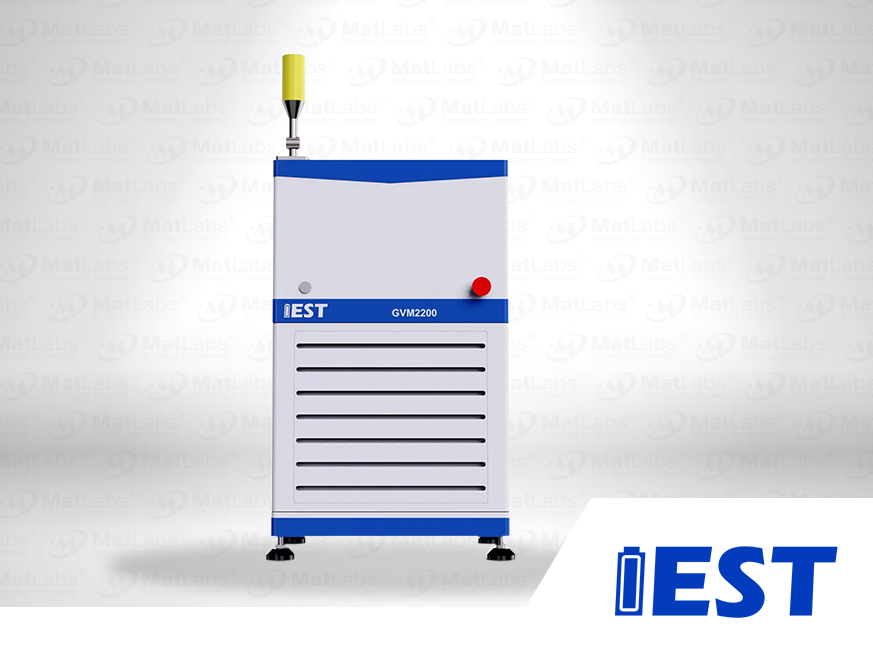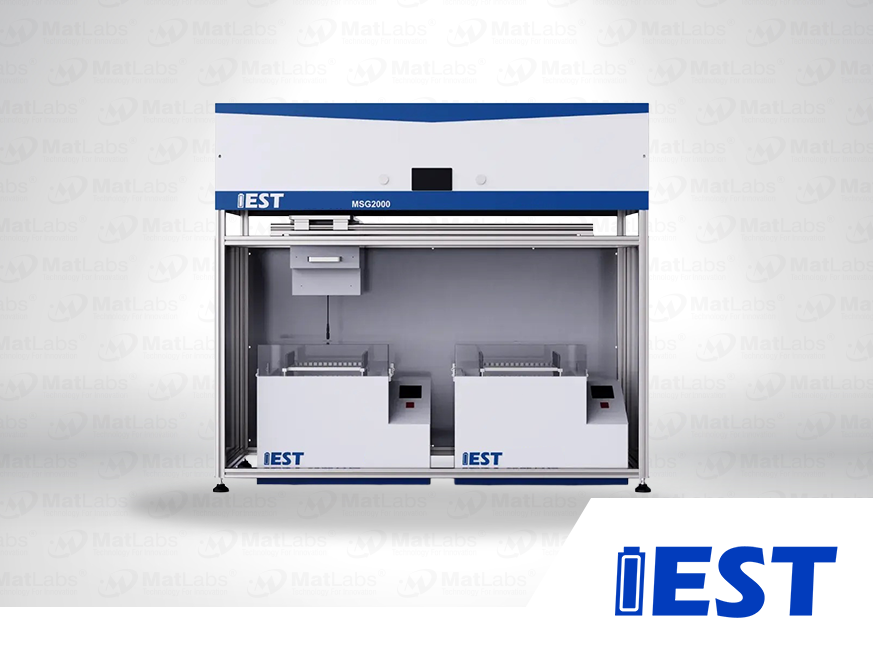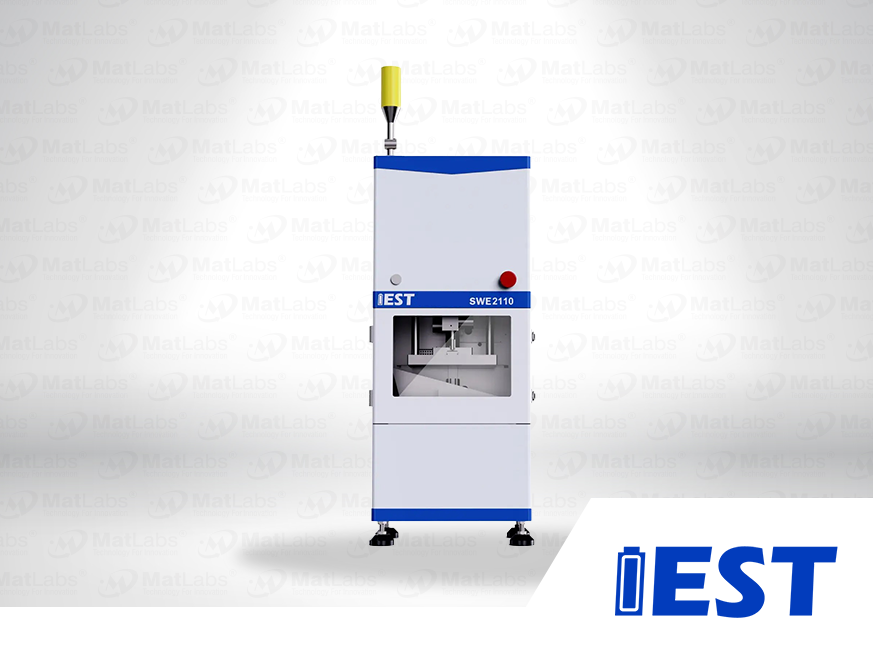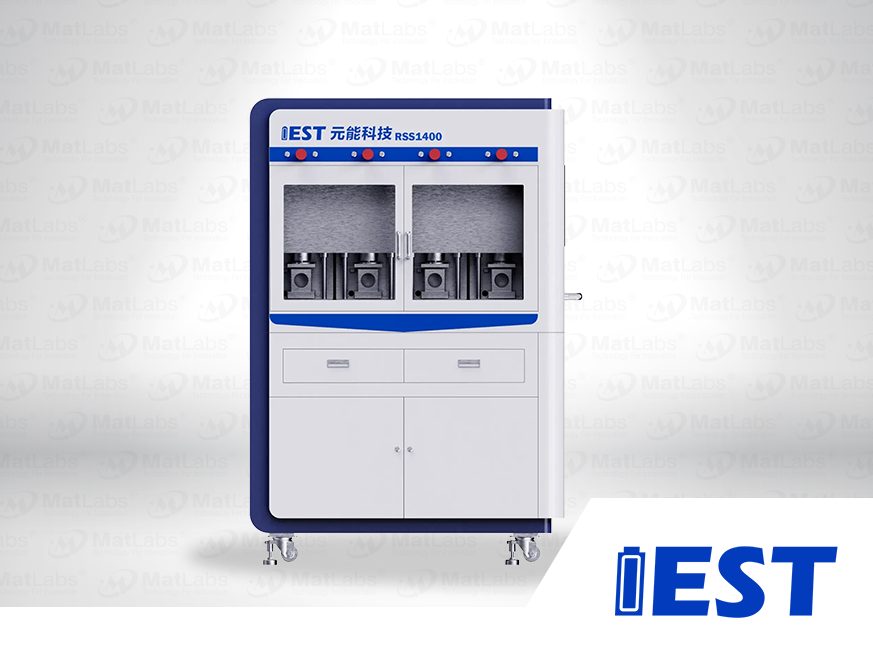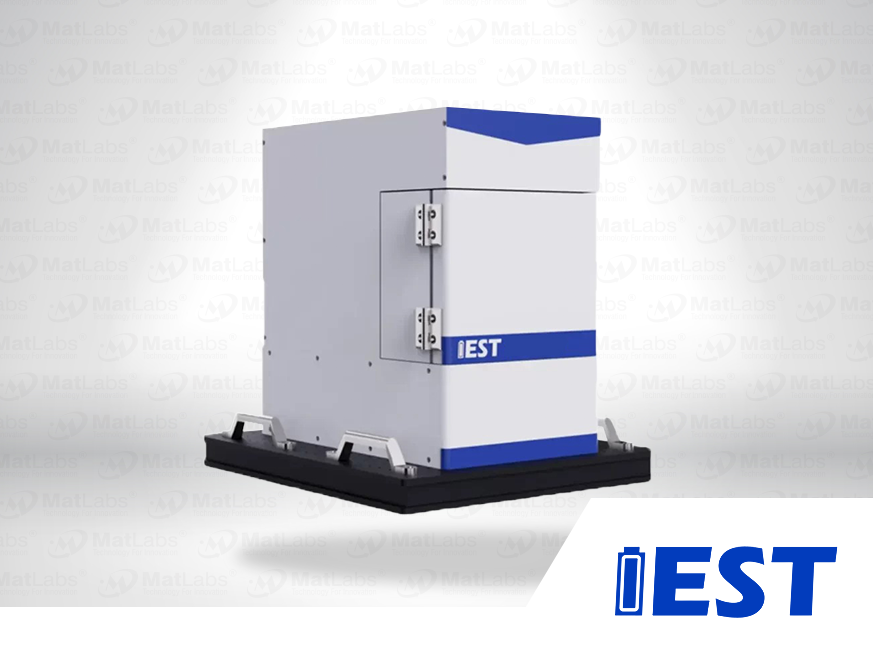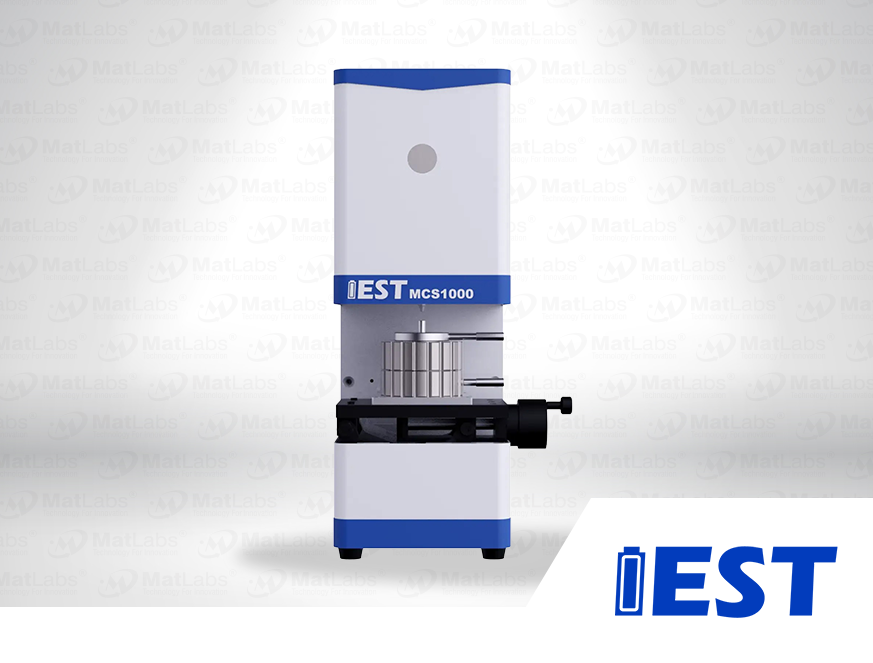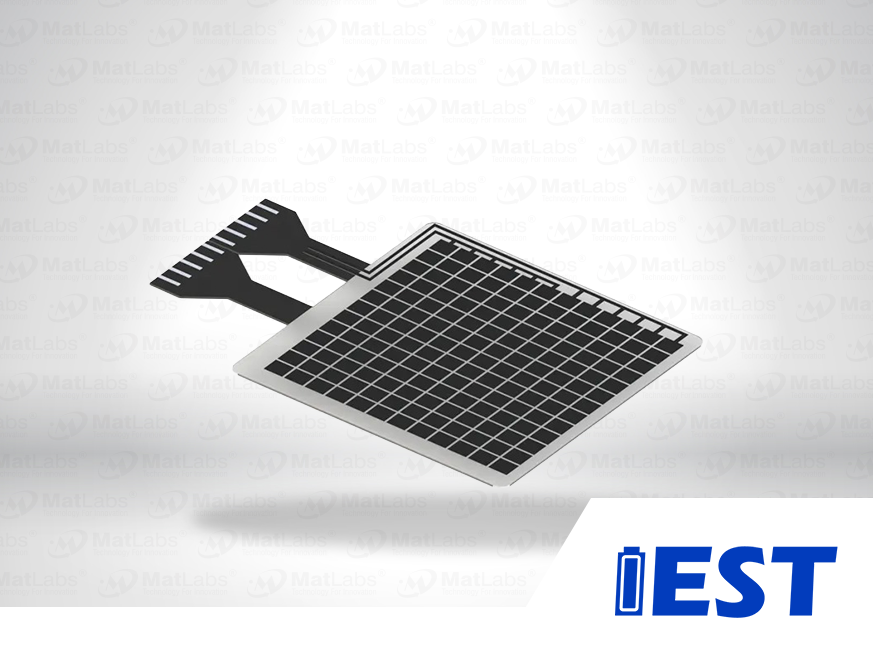
IEST Electrode Electrolyte Wetting Testing System(EWS/ETS/CHT)
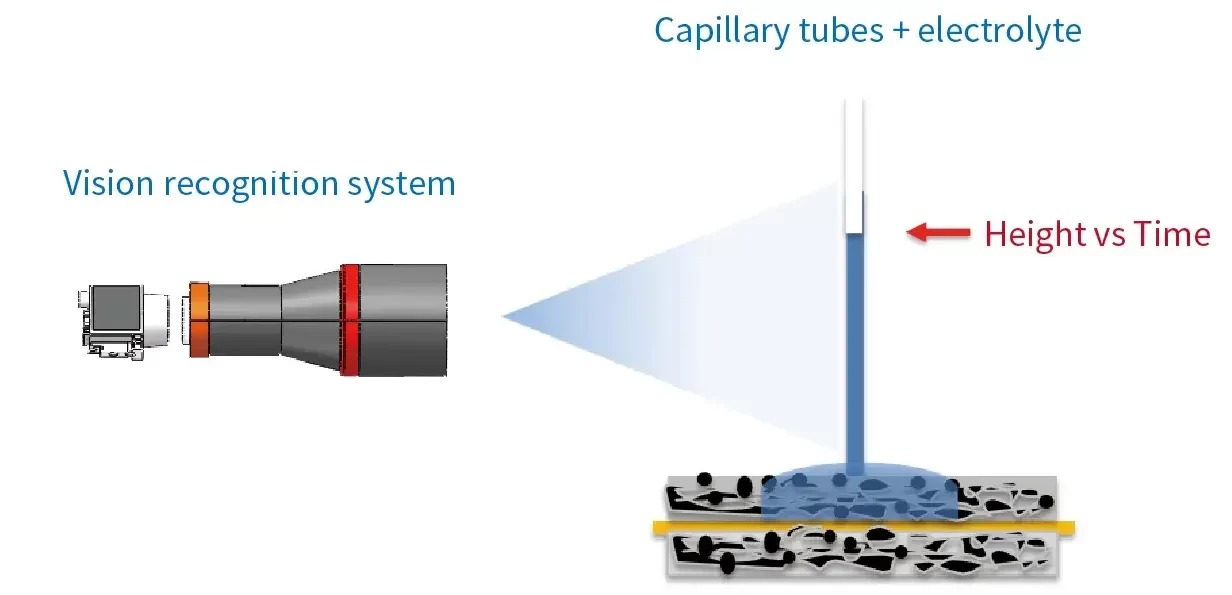
Introduction: Combining the visual acquisition system and the capillary action of the electrolyte to evaluate the wetting differences of different electrodes, electrolytes, diaphragm formulations and processes.
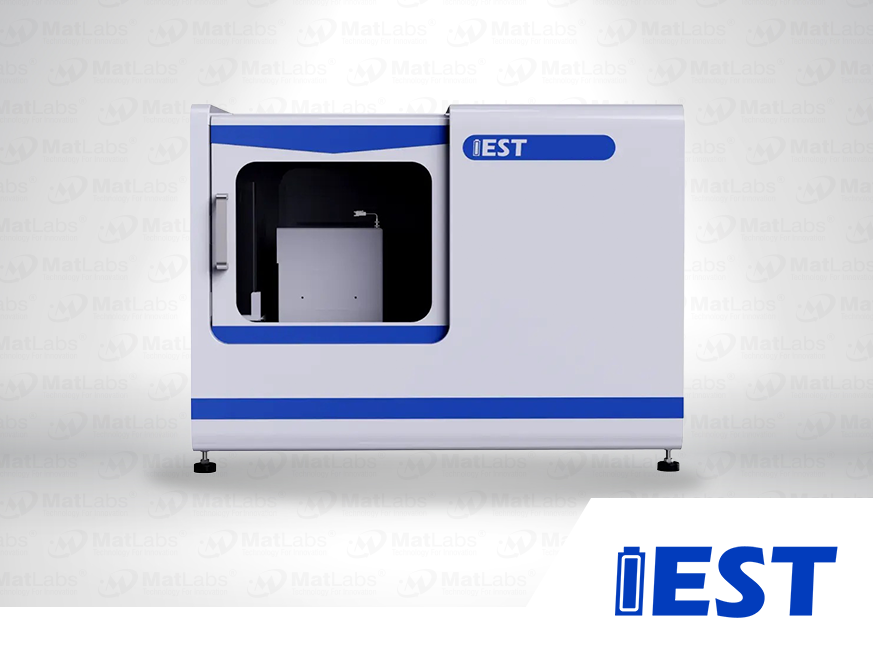
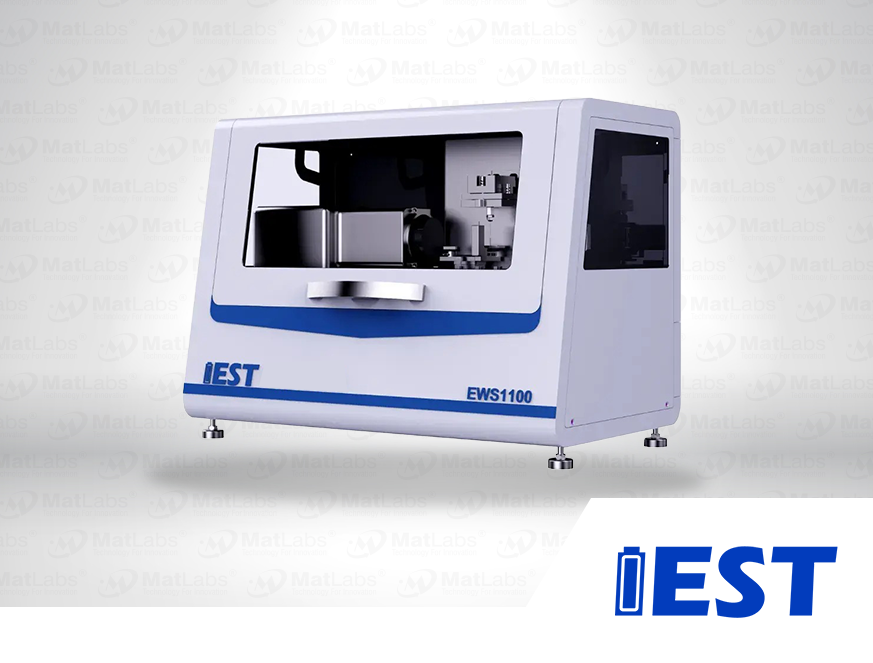
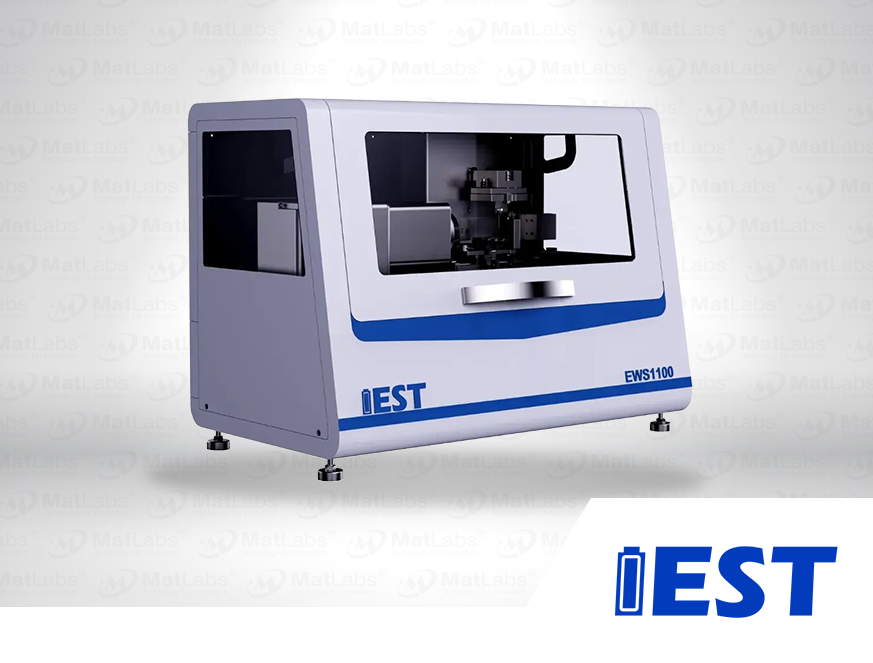
No items found.
Features:
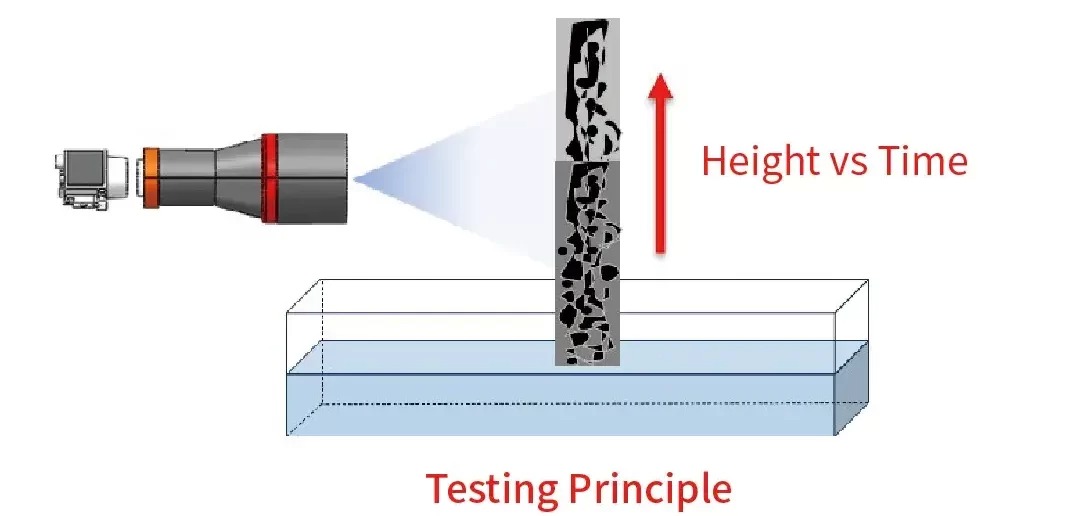
- Based on the principle of capillary diffusion of electrolyte in the electrodes and separators, quantitatively evaluate the difference in electrolyte infiltration;
- Equipped with high-precision mechanical control and visual acquisition system, the test is stable and efficient;
- Suitable for evaluation of infiltration differences of different electrodes, electrolytes, separator formulas and processes;
- Characterize the infiltration rate of electrolyte in the sample in real time.
Applications:
- Electrolyte performance evaluation
- Electrode consistency assessment
- Material / electrode surface-treatment process optimization
- Battery performance prediction
- Production process improvement
- Research & development(R&D)
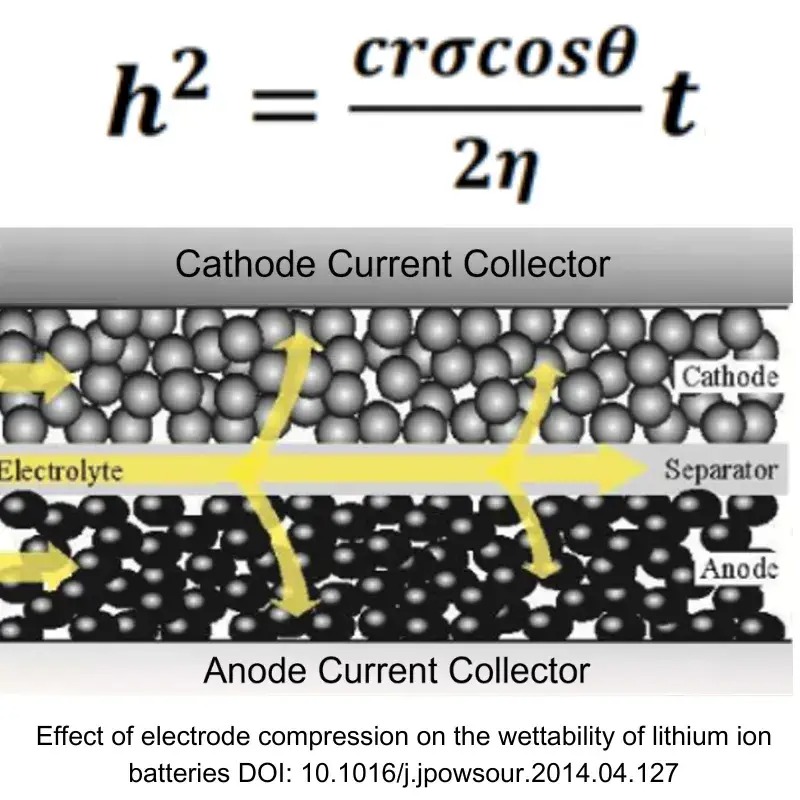
1. Principle of Electrode Wetting
The Lucas–Washburn Equation is commonly used to describe the dynamic of liquid absorption in electrode pores, as represented by the equation below:
- r represents the radius of the capillary (m),
- σ represents the surface tension of the imbibition fluid (N/m),
- η represents the viscosity of the imbibition fluid (Pa*s),
- θ represents the contact angle of the wet phase (°),
- h represents the liquid suction height (m),
- t represents the liquid suction time,
- cr represents a fixed value, called the formal radius.
2. Applications
- Electrolyte performance evaluation
- Electrode consistency assessment
- Material / electrode surface-treatment process optimization
- Battery performance prediction
- Production process improvement
- Research & development(R&D)
3. Electrolyte Wetting Characterization Solutions
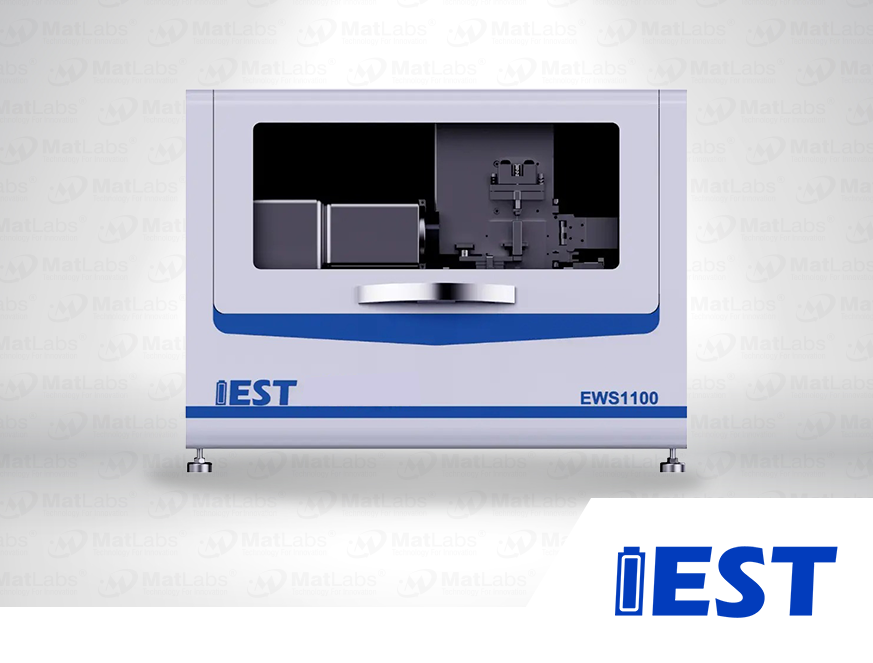
3.1 Capillary Wetting System: EWS Series – Simulation & electrode uniformity
Key Features:
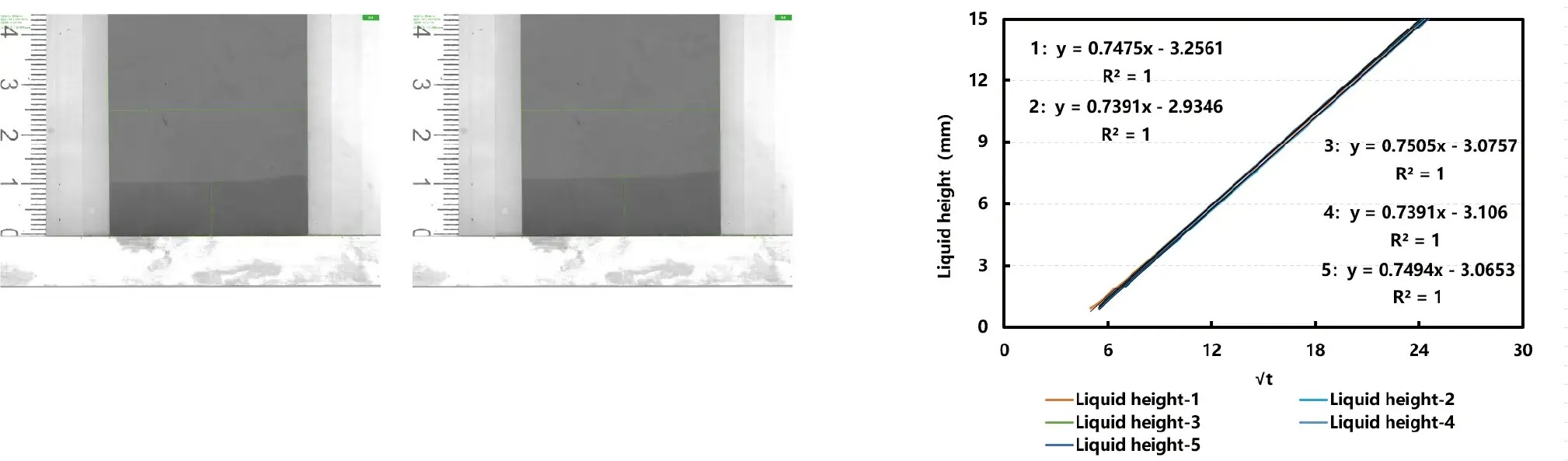
- Equipped with a high-precision vision acquisition system, ensuring stable and efficient test repeatability.
- Enables in-situ real-time characterization of the electrolyte wetting rate for lithium-ion battery anode electrodes.
- Applicable Samples: anode electrode
- The greater the compacticion of the electrode, the lower the porosity, resulting in poorer electrolyte wetting.
3.3 Weight Wetting System: ETS Series
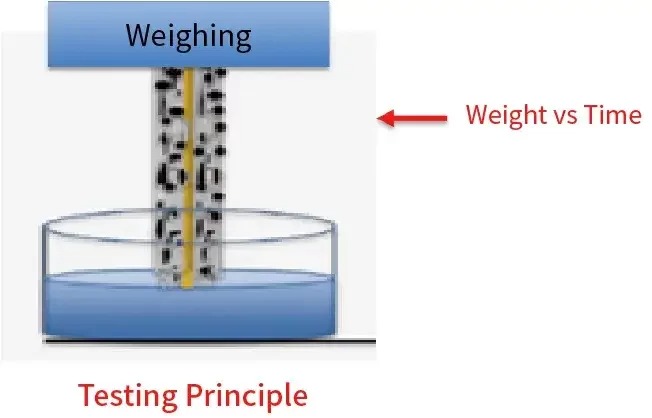
3.3.1 ETS-1000 – Evaluate Jelly Roll(JR) Wetting Time for Dry Cells
Key Features:
- Equipped with a high-precision vision acquisition system, ensuring stable and efficient test repeatability.
- Enables in-situ real-time characterization of the electrolyte wetting rate for lithium-ion battery anode electrodes.
- Applicable samples: Anode electrodes/Jelly Roll(JR) cells
- Supports simultaneous testing of three parallel samples, demonstrating good consistency in electrolyte wetting.
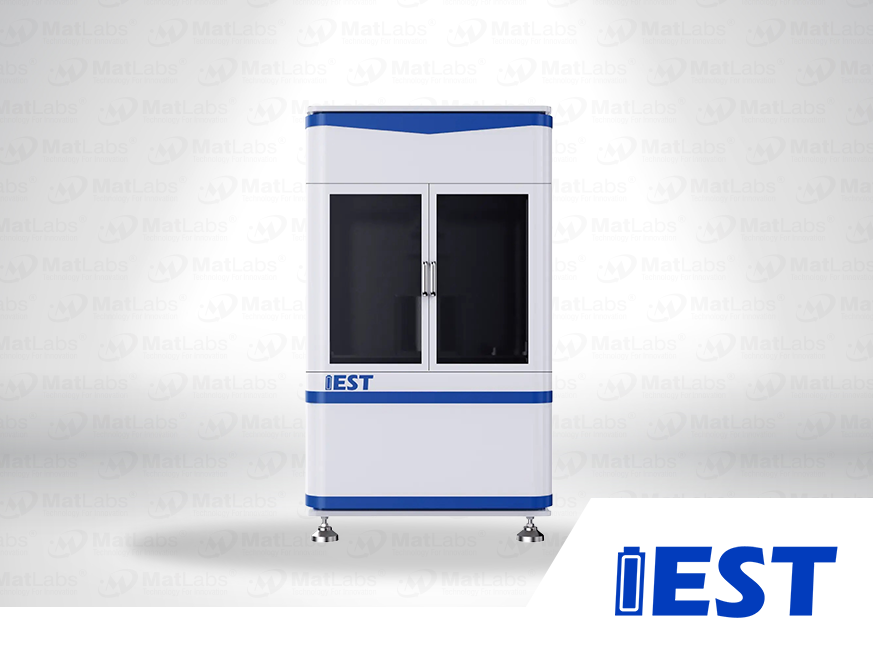
3.3.2 ETS-2000 Dry Cell JR Weight Testing System
Key Technical Features
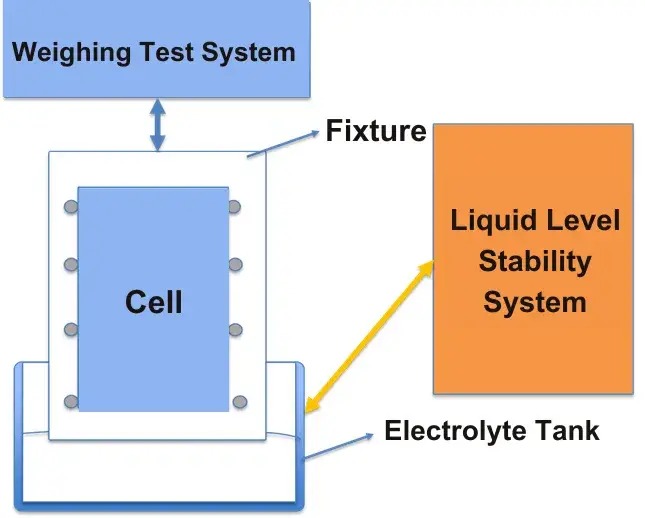
- Weighing System: Maximum capacity 6 kg, accuracy ±0.1 g, meeting Jelly Roll (JR) test requirements;
- Liquid Level Control: Integrated electrolyte tank level control system (syringe pump + height sensor) to reduce inter-group test errors caused by liquid level fluctuations;
- Pressurized Testing: Added surface pressure fixture (pressure range: 0-0.4 MPa) with pressure film detection system for real-time monitoring of pressure variations during wetting;
- JR Resistance: Expanded channels with an internal resistance meter to externally monitor changes in JR internal resistance during wetting.
Download detailed product technical specifications for more details

Are you interested? Contact our sales department now
Sales Manager
Sales Department