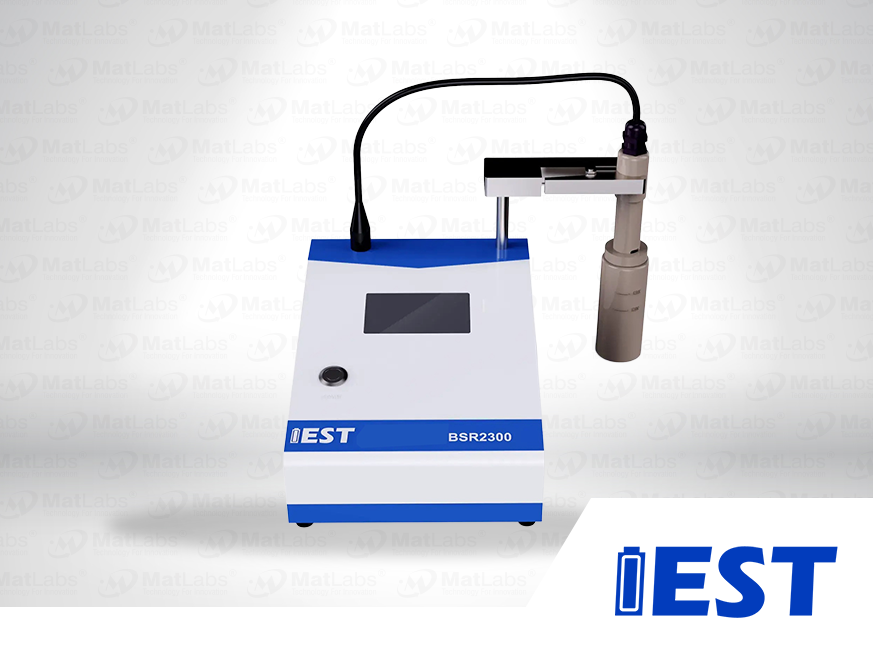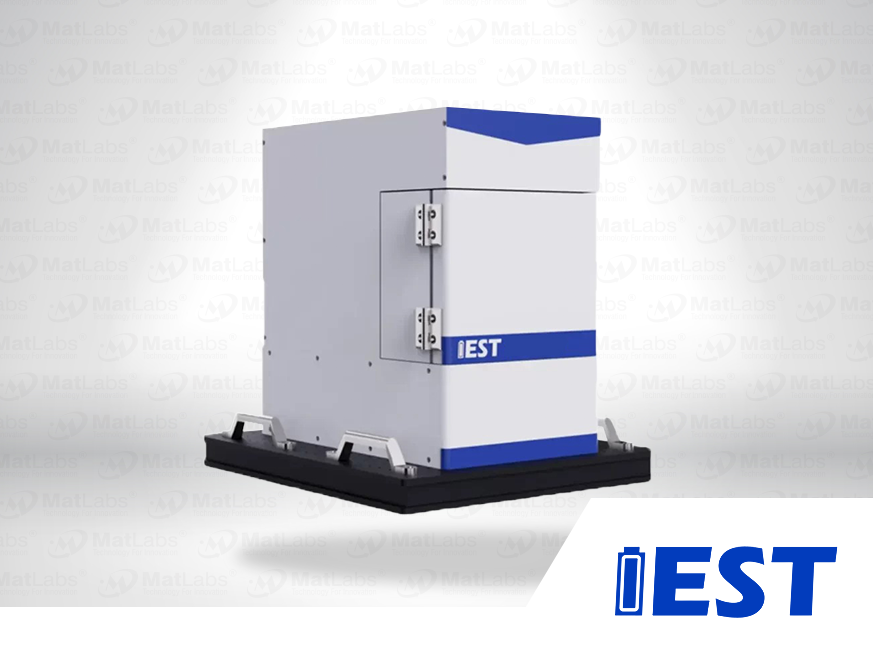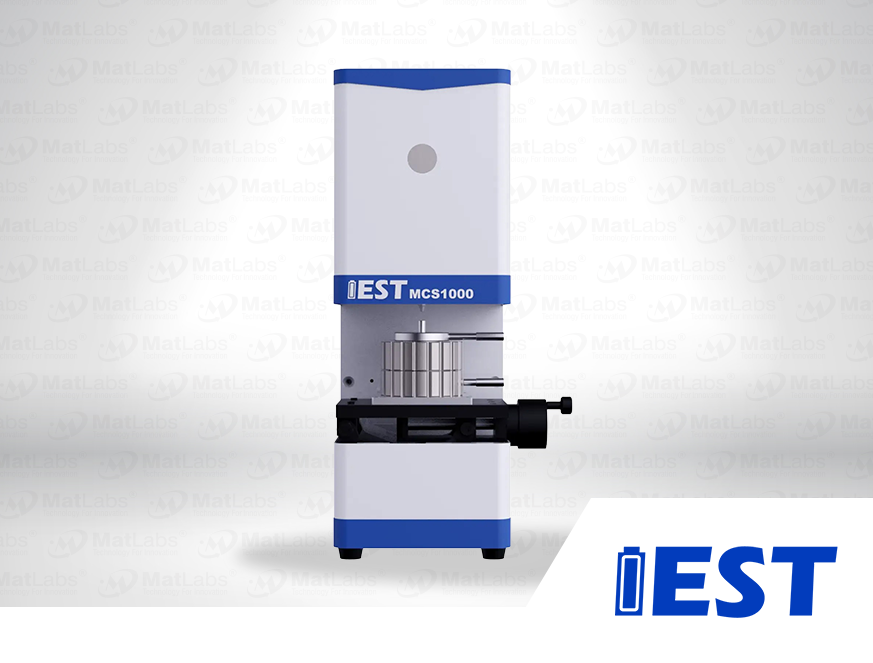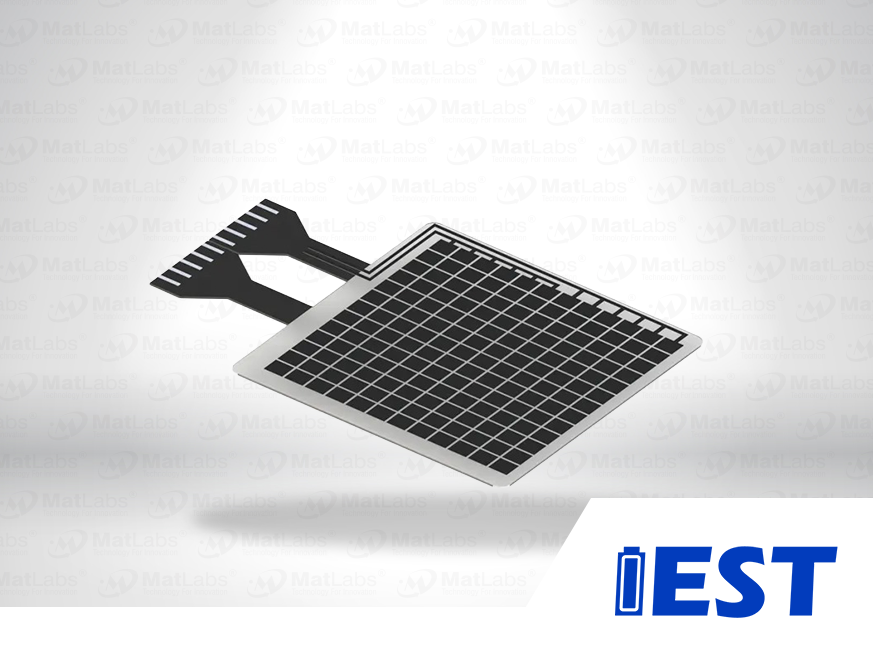
IEST Lithium Battery Electrode Sheet Resistance Tester(BER2500)
Introduction: The BER Series Multifunctional Electrode Resistance Analyzer combines a high-precision pressure control system with integrated capabilities for electrode thickness measurement and resistance analysis. Using the double-sided controllable pressure disc electrode method, this electrode resistance analyzer directly measures the total through–thickness resistance of practical electrode samples, including coating resistance, coating–current collector contact resistance, and current collector resistance. It is an ideal tool for electrode formulation development and process stability monitoring.
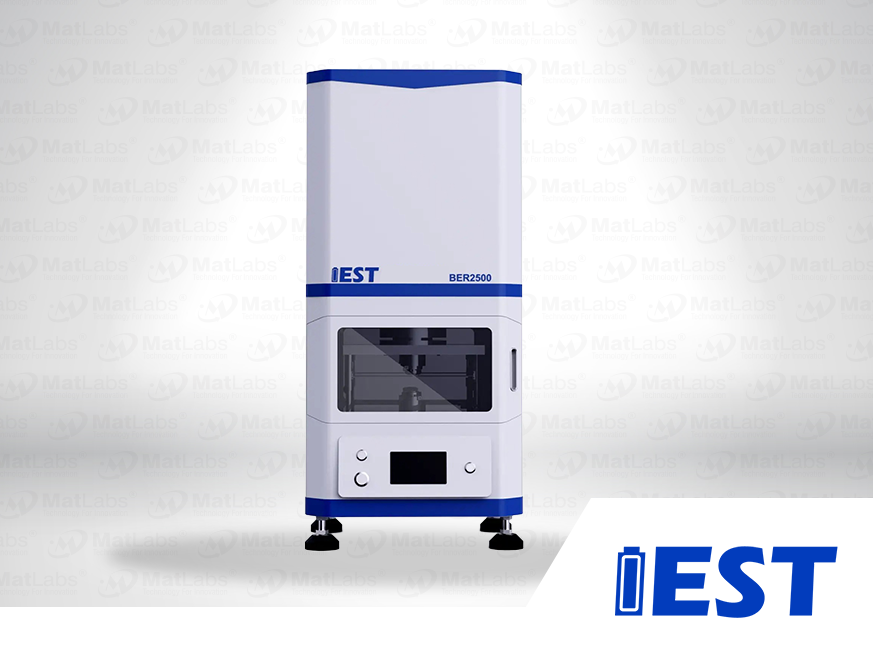
Features:
- Direct measurement of the true through-thickness resistance of practical electrodes – including coating resistance, coating-current collector contact resistance, and current collector resistance.
- Separate voltage/current terminals to eliminate inductive interference on voltage sensing, enhancing measurement accuracy.
- Equipped with reference resistance blocks and thickness standards certified by third-party metrology institutes.
Application:
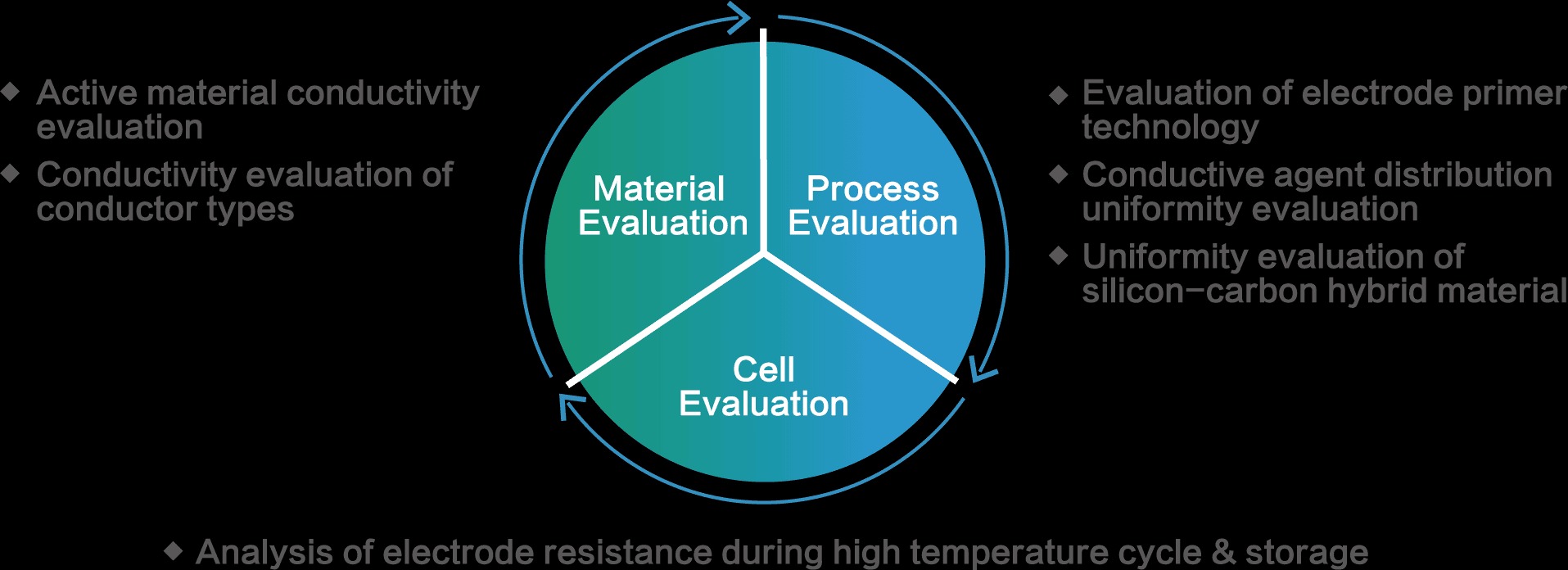
- Material evaluation
- Process evaluation
- Battery Cell failure analysis
1. Introduction
The BER Series Multifunctional Electrode Resistance Analyzer combines a high-precision pressure control system with integrated capabilities for electrode thickness measurement and resistance analysis. Using the double-sided controllable pressure disc electrode method, this electrode resistance analyzer directly measures the total through–thickness resistance of practical electrode samples, including coating resistance, coating–current collector contact resistance, and current collector resistance. It is an ideal tool for electrode formulation development and process stability monitoring.

Our Unique Testing Process:
- Comprehensive evaluation of slurry mixing homogeneity and coating stability, facilitating early detection of conductive agent agglomeration.
- Identification of mixing uniformity deviations in silicon-carbon composite anodes.、
- Assessment of electronic conductivity for different active material formulations.
- Evaluation of electronic conductivity across varied conductive agent formulations.
- Characterization of electronic conductivity in functional primer coatings for current collectors.
- Failure analysis of battery conductive networks.
- Contact resistance profiling of cathode/anode surfaces post-formation.
2. The Limitations of Traditional Test Methods
2.1 Current Status of Electrode Resistance Measurement
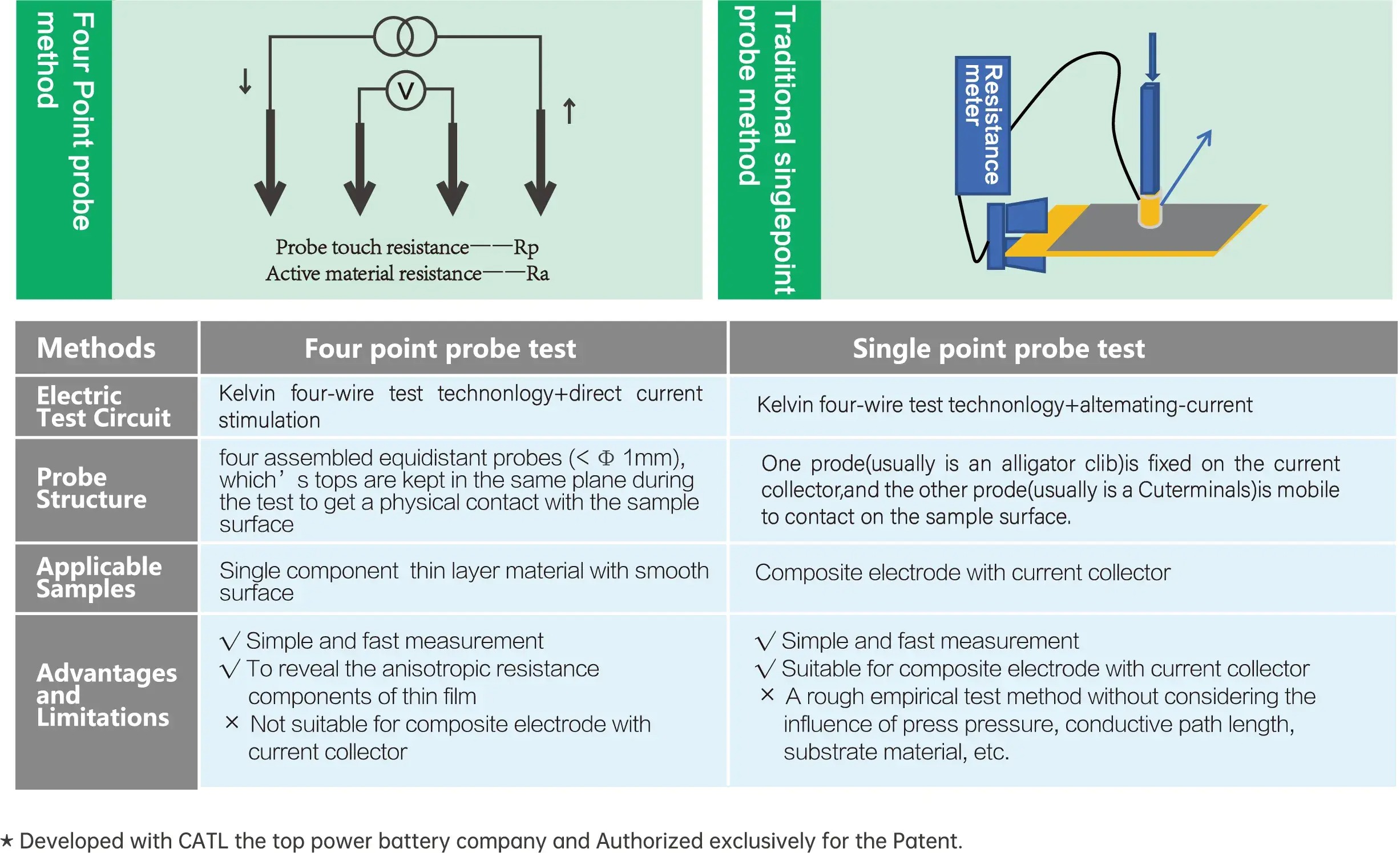
Multiple methods exist for measuring electrode resistance, including four point probe, multi-point probe, and single-point probe techniques. While these conventional approaches are well-established for homogeneous thin films in other fields, they exhibit significant limitations when evaluating composite electrodes for lithium-ion batteries.
2.2 Four-Point Probe Method
The four-point probe technique is a standard method for measuring thin-film surface resistance. Using four or more probe contacts, it provides accurate sheet-resistance measurements with simple operation. By applying basic equivalent-circuit models, the technique can separate anisotropic resistance components. When combined with electrode thickness measurement, four-point-probe data enable precise calculation of bulk resistivity and support comprehensive electrode characterization. However, its fundamental principle requires:
- Smooth surfaces
- Homogeneous materials
- Insulating substrates
Lithium-ion battery electrodes present critical incompatibilities:
- Inherently rough surfaces
- Multi-component heterogeneity (active materials, binders, conductive additives)
- Conductive current collector substrates
Consequently, four point probe measurements yield inconsistent data that defy theoretical modeling. Increasing probe quantity/complexity marginally improves reliability but introduces:
- Structural impracticalities
- Compromised measurement repeatability & reproducibility
2.3 Single-Point Probe Method
This industry-prevalent approach employs:
- Fixed probe at current collector terminus
- Mobile probe on electrode coating surface
Despite its simplicity (often implemented via user-assembled probes with resistance meters), it remains a rough empirical method neglecting critical variables:
- Applied pressure consistency
- Current path length variation
- Substrate interference effects
Thus, single-point probing fails to deliver reliable or consistent electrode resistance data.
3. The IEST’s Creative Solution
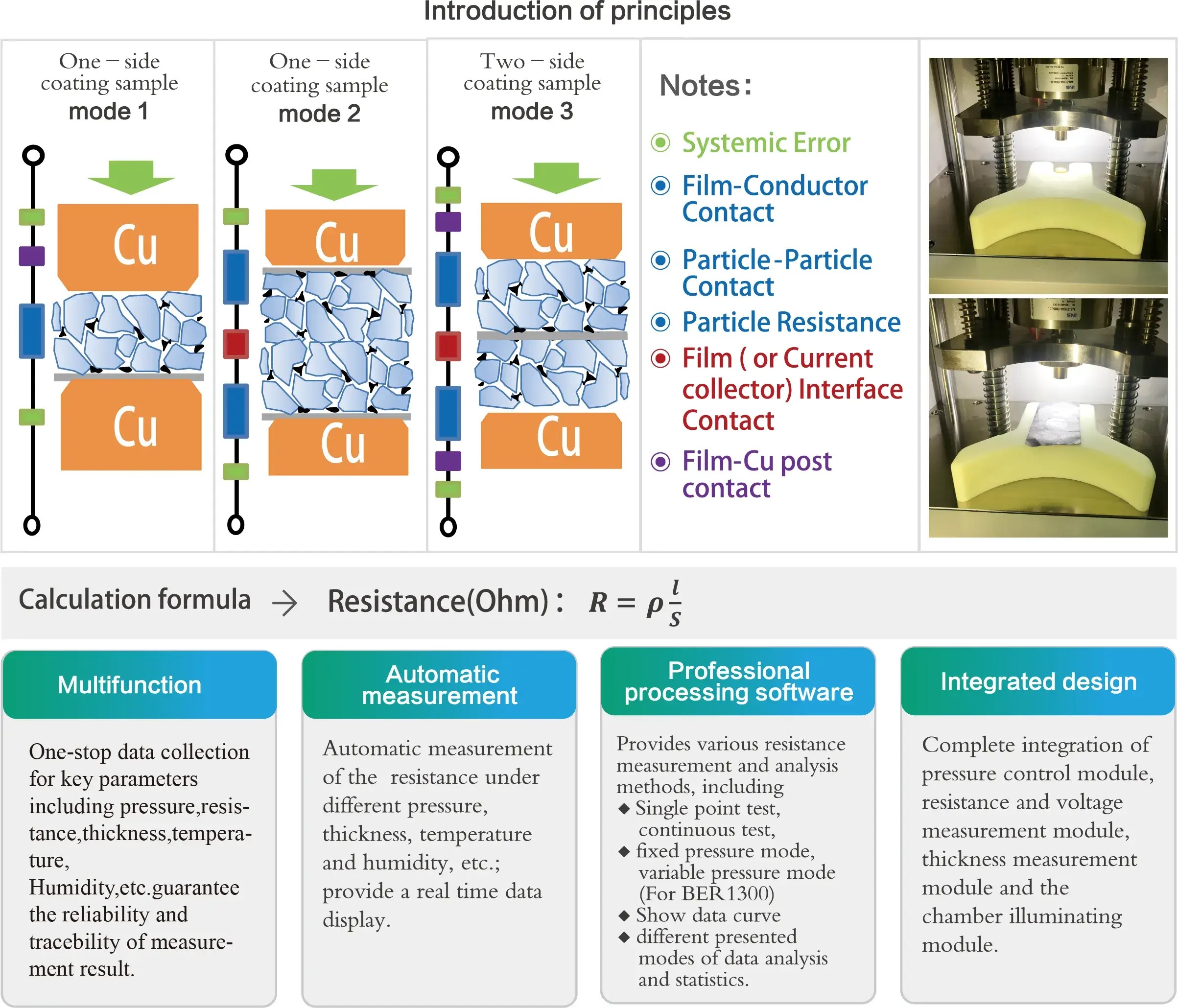
As an leading electrode resistivity tests manufacturer, IEST Instrument presents the BER Series battery electrode resistance analyzer. The BER Series employs two pressure-controllable planar probes to directly measure through-thickness electrode resistance, which can obtain the overal resislance and resistivity in the thickness directon of the electrode, includimng the contact the collector and the current.
The dual-plane, pressure-controllable, high-conductivity probe specially designed for composite electrode and micron-level flat surface treatment ensure the measurement accuracy, the high-precision resistance resolution and the attached calibration module ensure the stability and reliability of the results.
4. Software

5. Measurement System Analyze

6. Applictions