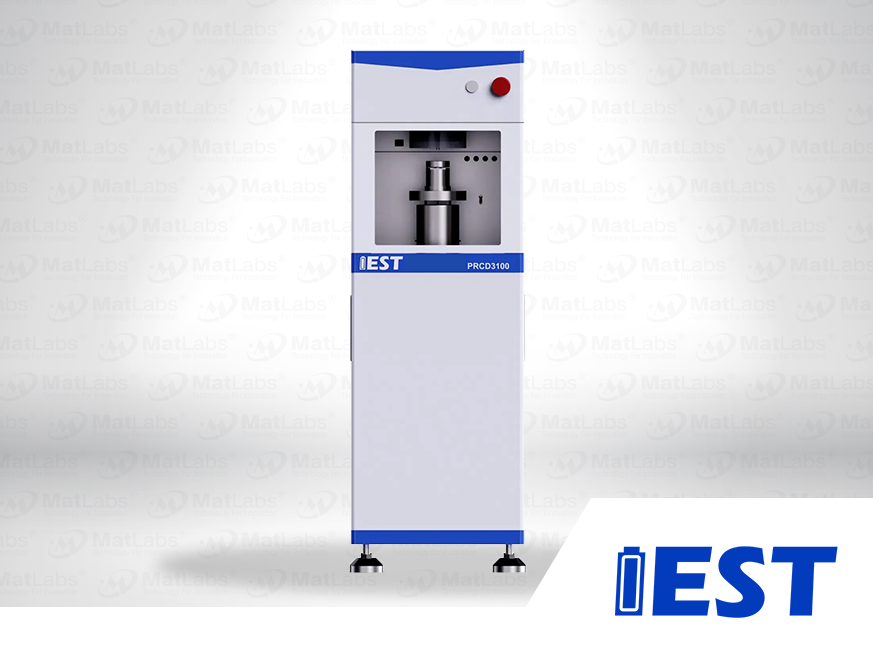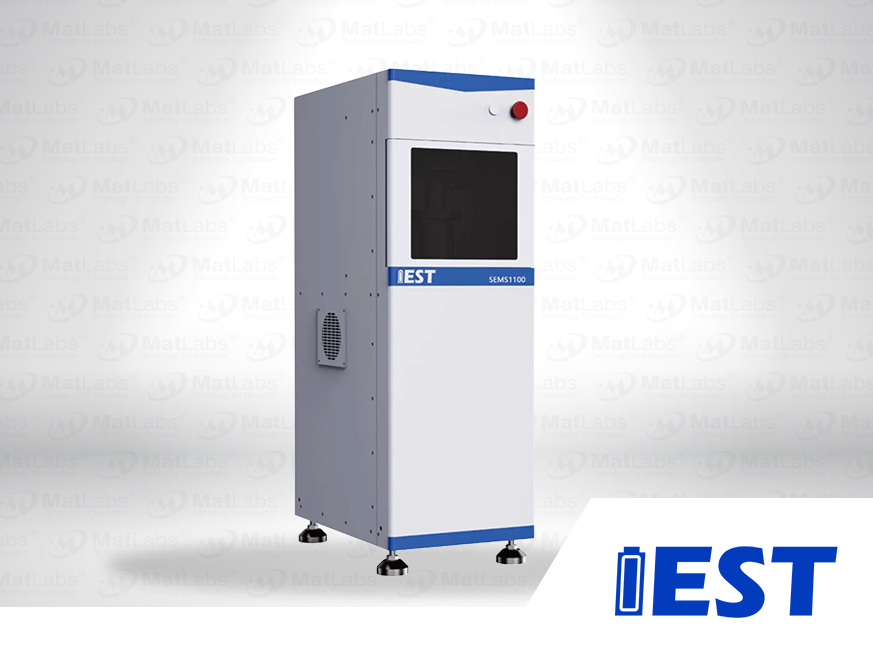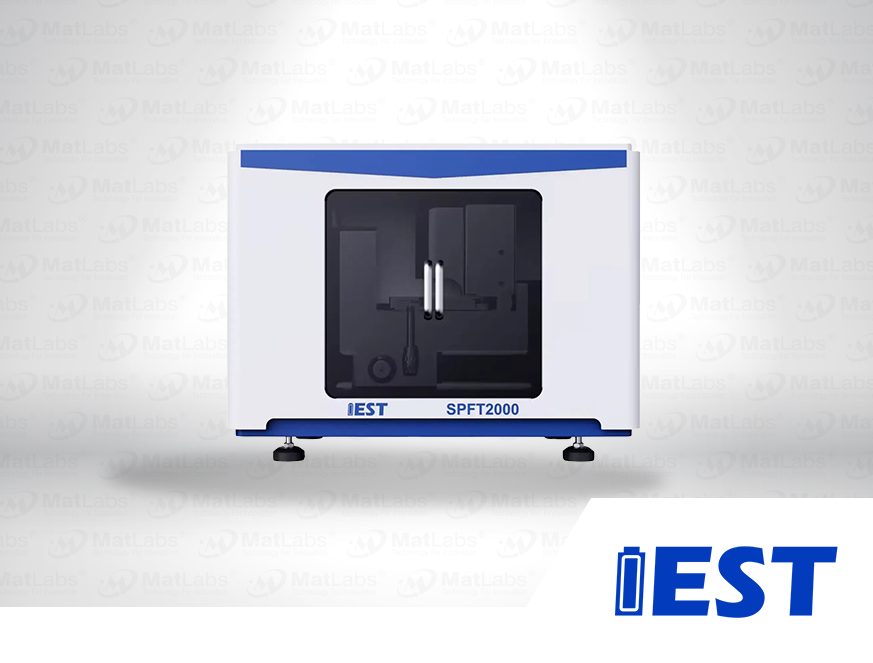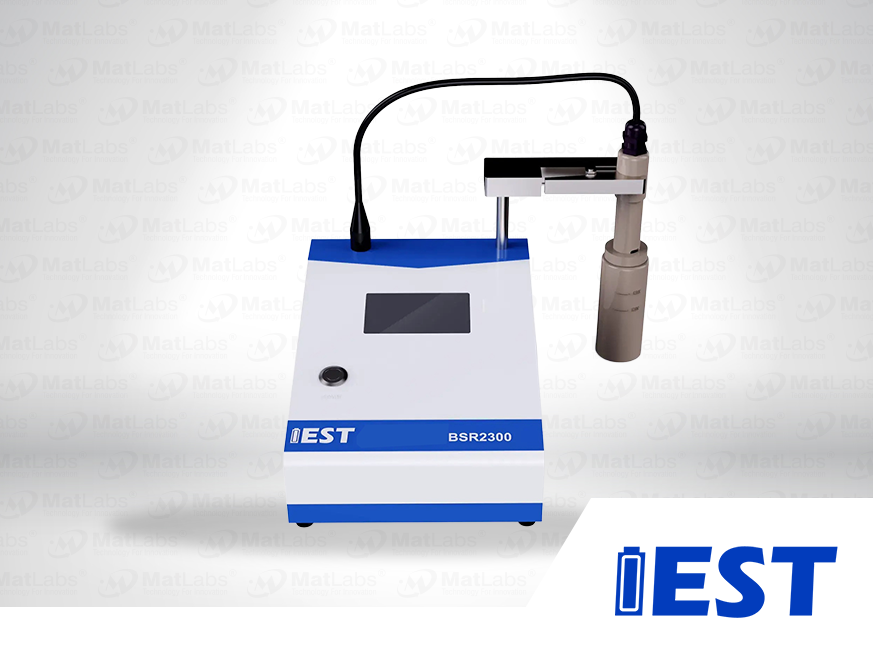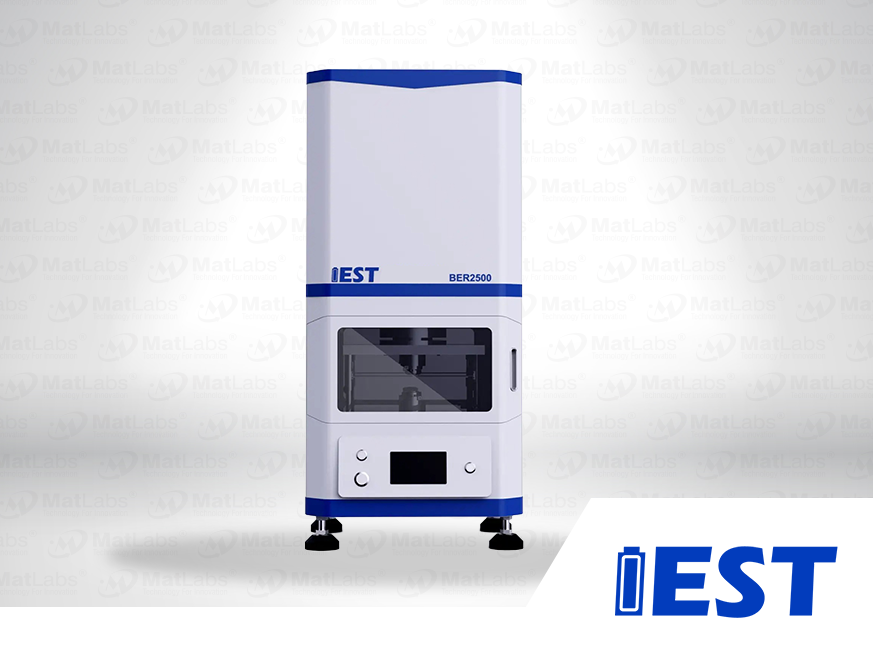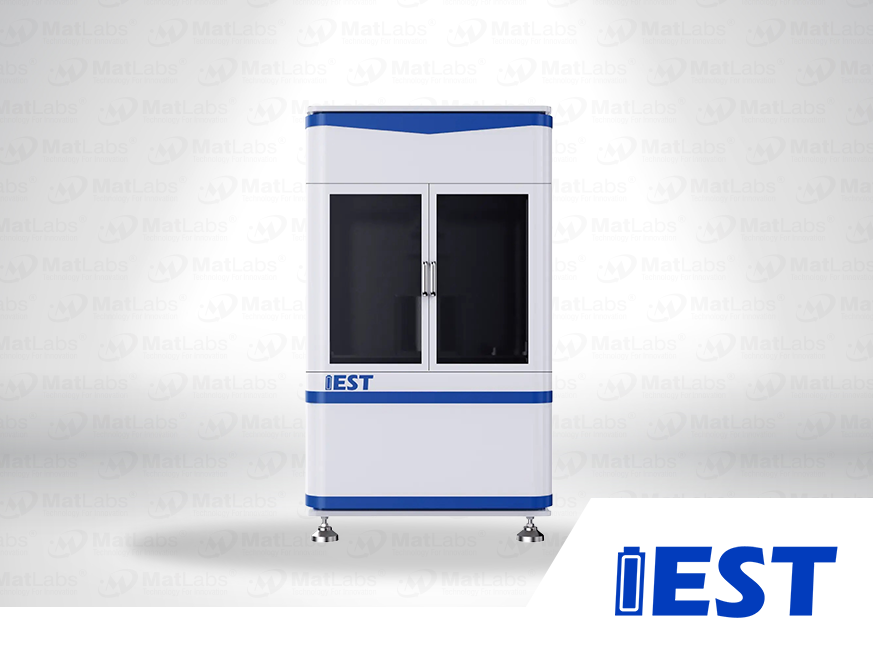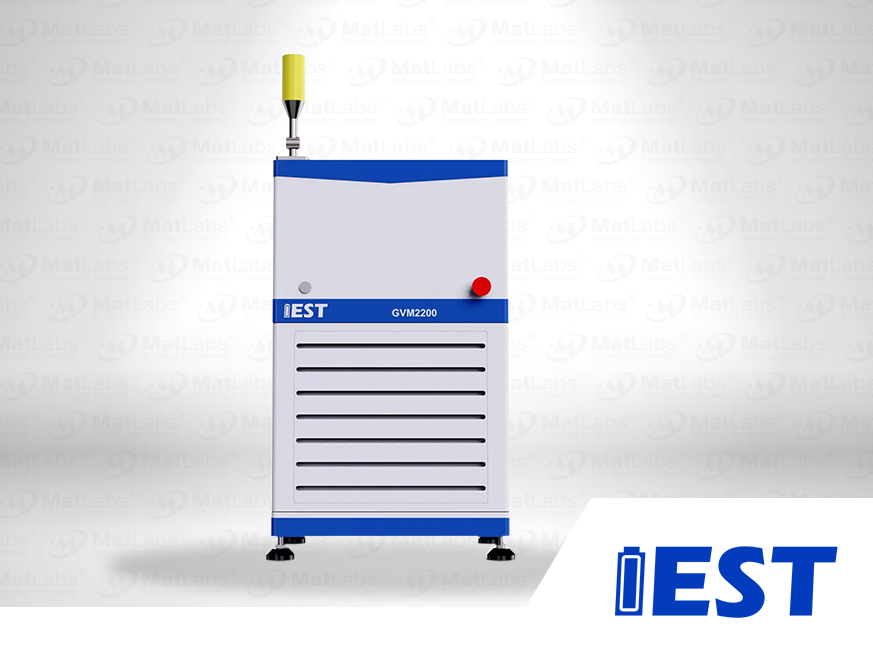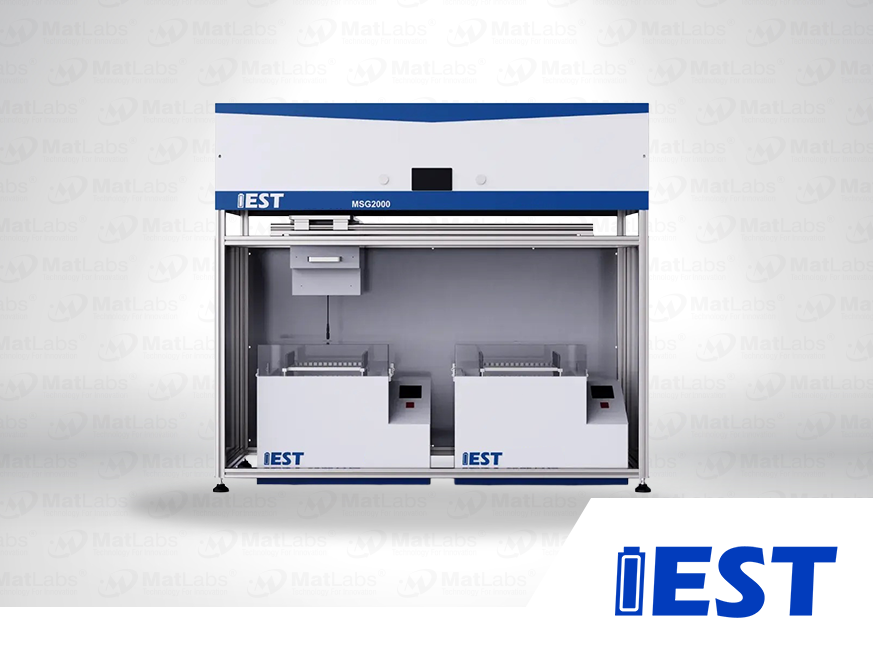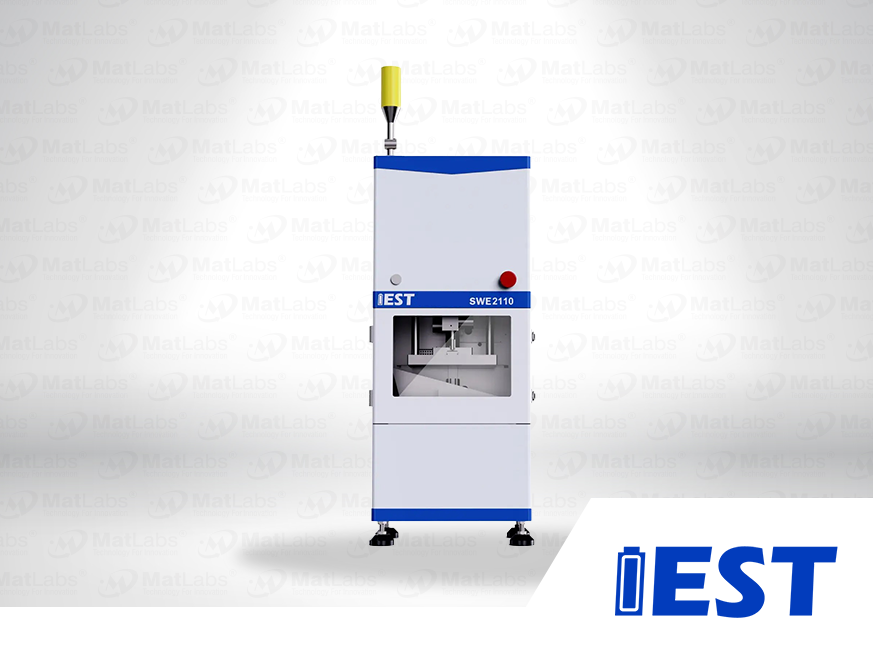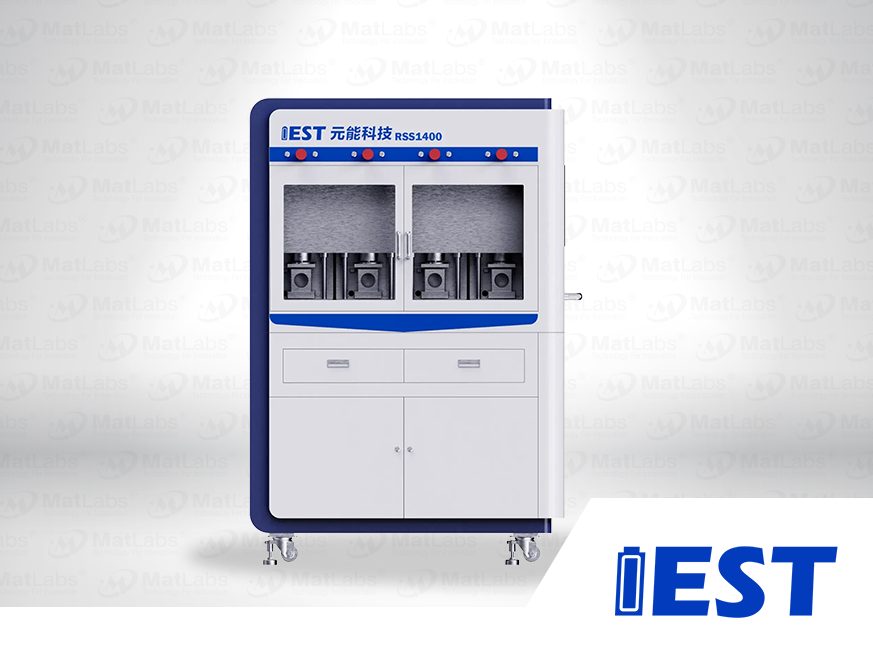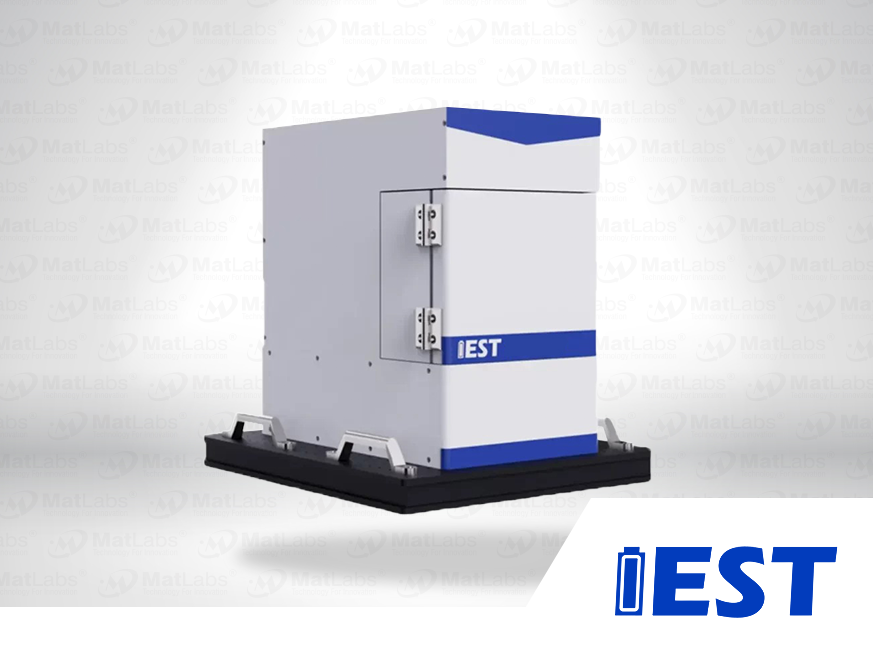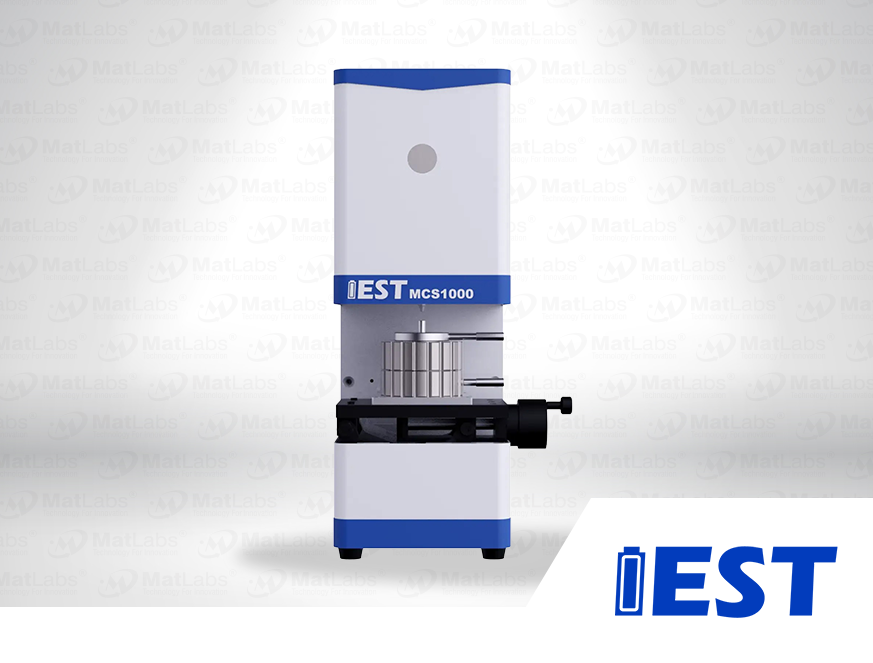
IEST Electrode Tortuosity Tester & Separator Ion Conductivity Tester(EIC Series)
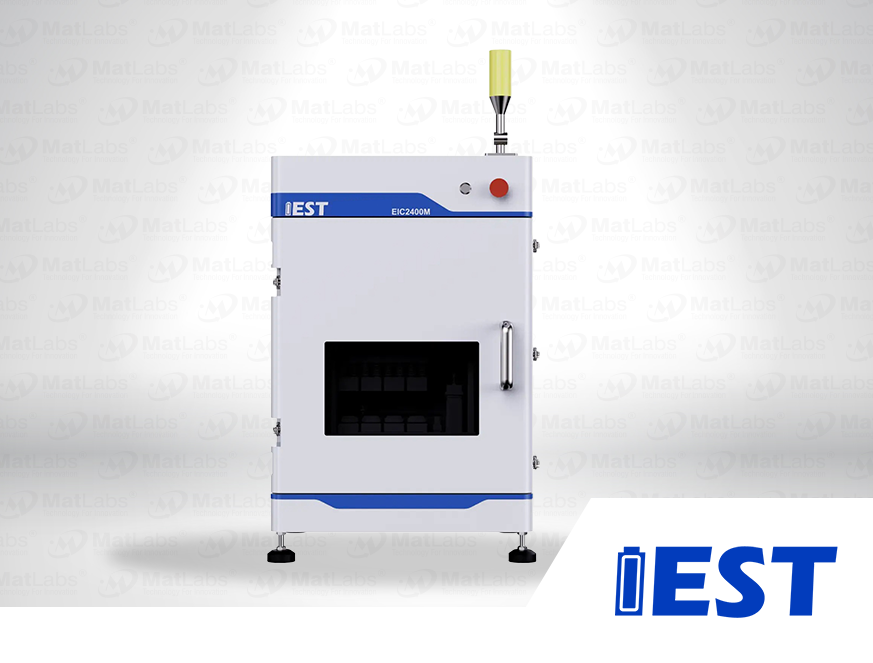
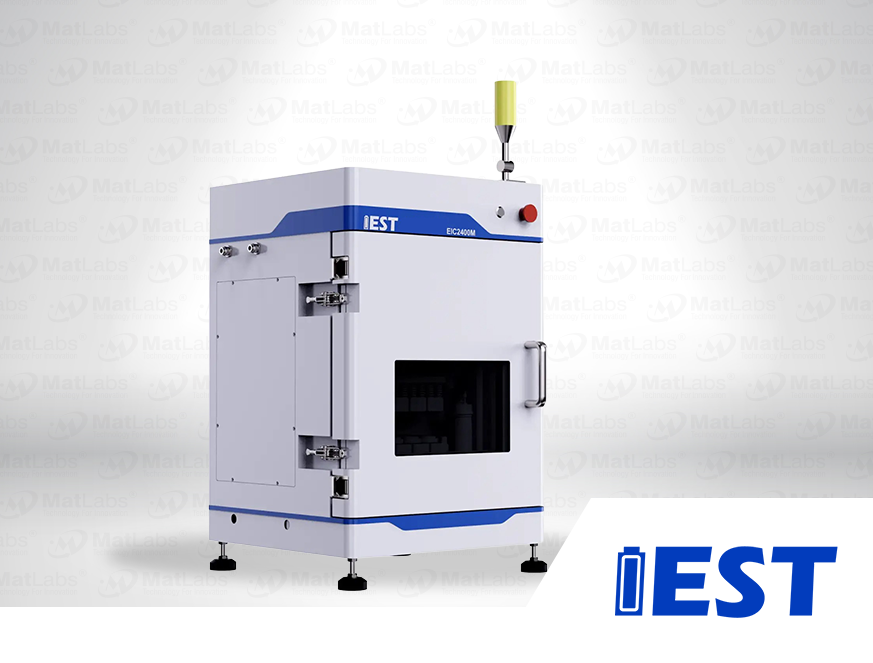
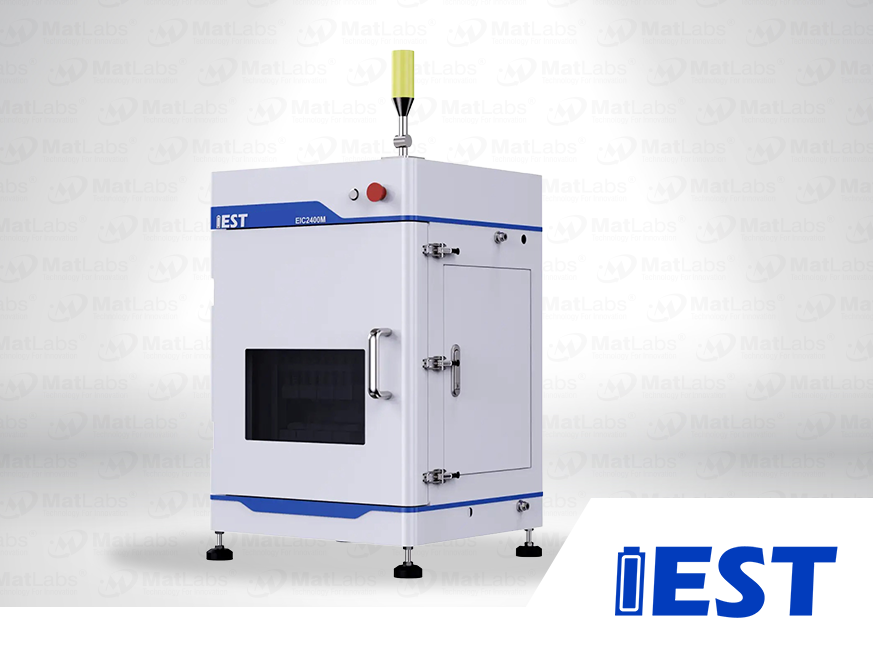
Features: Calculate electrode tortuosity measurement from electrochemical impedance spectroscopy (EIS) of symmetric cells. Streamlined cell assembly, automated testing and analysis, simplified operation workflow, enhanced testing throughput Four-channel synchronous measurement High-purity argon gas atmosphere Rapid EIS testing module McMullin Number and Tortuosity Measurement Application: Electrode tortuosity test Separator ion conductivity test
No items found.

1. Significance of Ion Conductivity Testing
Electrode Tortuosity and Kinetic Performance:
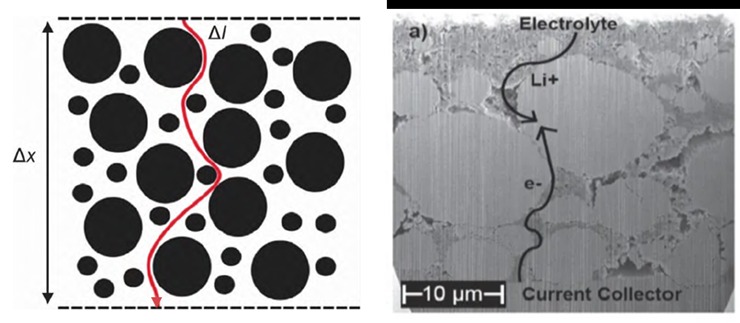
- Tortuosity represents the degree of bending in the transport pathways within a porous electrode. It is a critical parameter, alongside porosity, governing transport properties. It characterizes the percolation capability of the electrolyte and the ion migration rate, directly impacting the battery’s capacity utilization and rate capability.
- Measuring the pore tortuosity of an electrode enables performance prediction. This facilitates the rapid correlation of electrode structure with expected performance, accelerating electrode design and process development.
Separator Ionic Conductivity:
- In recent years, separator coating applications have expanded significantly. Coating processes enhance lithium-ion battery separator properties such as puncture resistance, thermal stability, and electrolyte wettability. While improving safety performance, it is equally crucial to ensure stable electrochemical performance. Therefore, ionic conductivity testing is particularly important for comparing and characterizing separator performance.

2. Testing & Calculation Methods
2.1 Electrode Testing
- Assemble a symmetrical cell and perform Electrochemical Impedance Spectroscopy (EIS) testing.
- As shown in the figure below, perform linear fitting on the high-frequency region and the low-frequency region of the EIS spectrum (Nyquist plot). Three times the difference between the points where the respective fitted curves intersect the real impedance axis (Z’/X-axis) gives the ionic resistance Rion of the electrode coating.
- Calculate the MacMullin number using the formula to indirectly characterize the electrode tortuosity.
2.2 Separator Testing
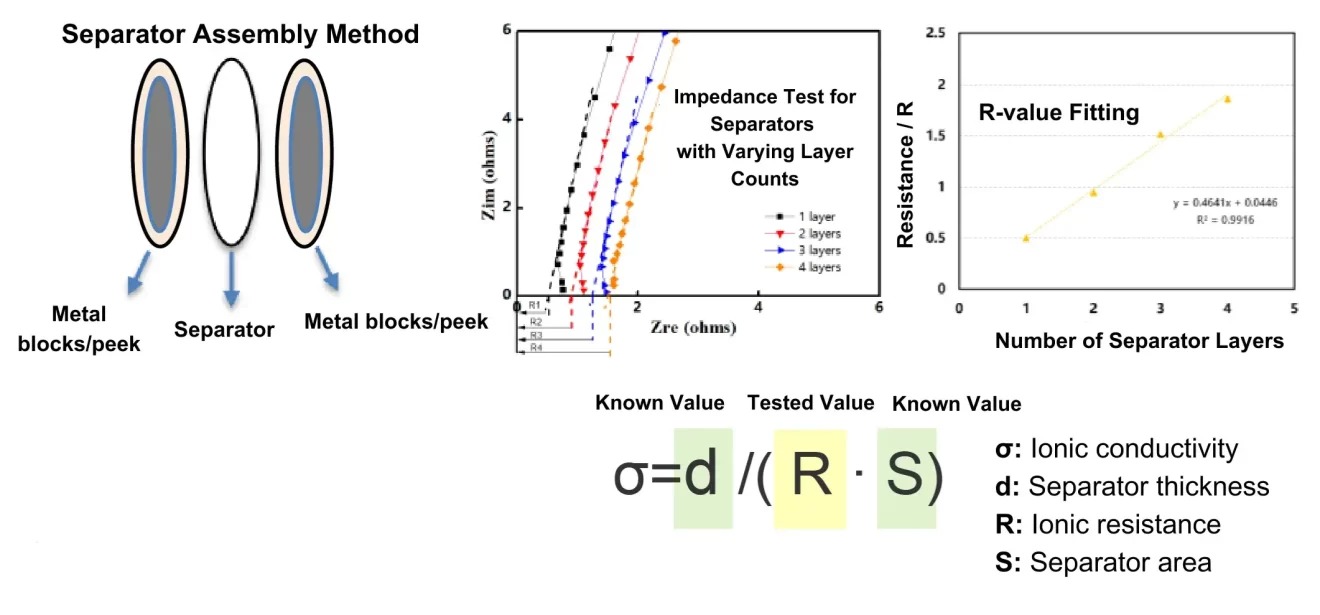
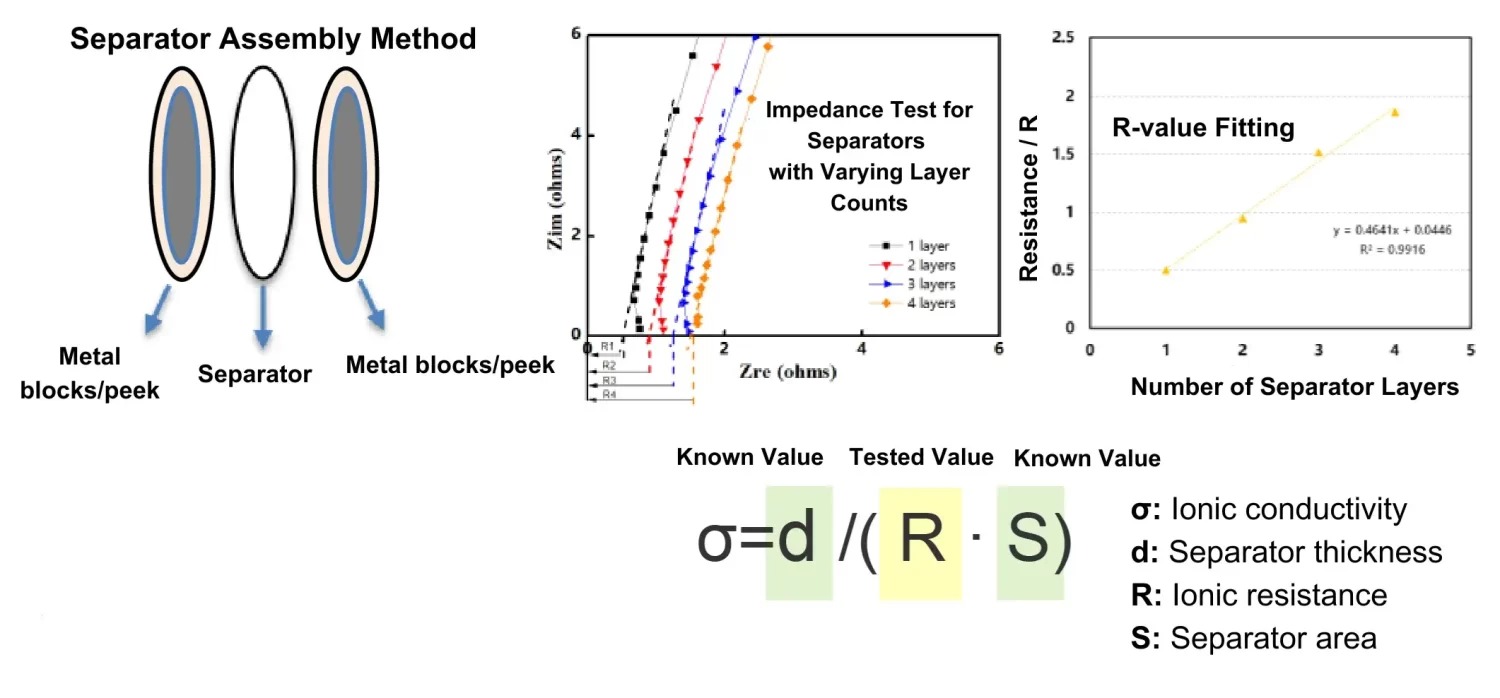
- Measure the impedance of separators with 1 to 4 layers, obtaining values R₁, R₂, R₃, R₄.
- Plot separator resistance (R) versus number of separator layers on the vertical and horizontal axes, respectively.
- Determine the slope of the curve and its linearity of fit.
- The linear regression coefficient (R²) must be ≥0.99.
- Calculate the ionic conductivity (σ) using the formula: σ = d / (R × S)
3. IEST Creative Solutions
3.1 Creative Solution one
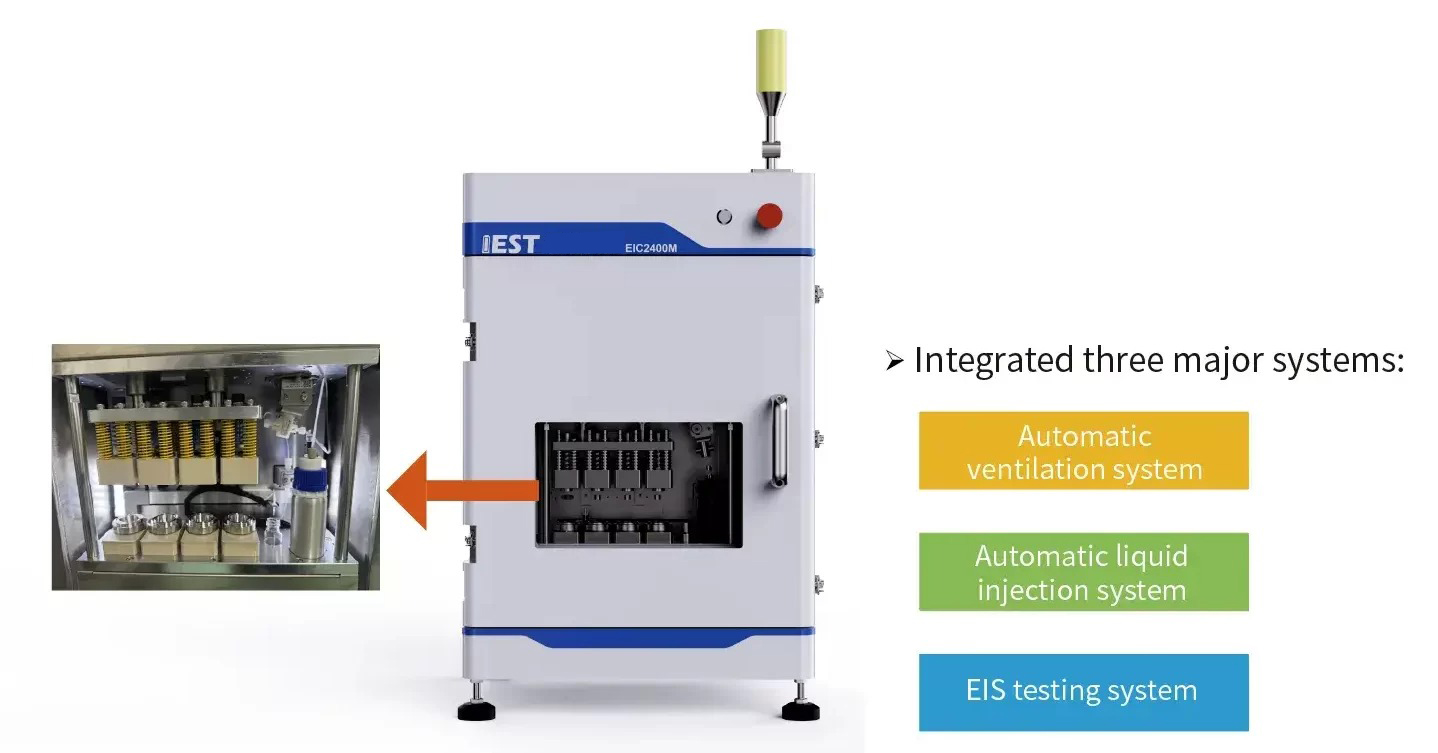
- Calculate electrode tortuosity measurement from electrochemical impedance spectroscopy (EIS) of symmetric cells.
- Streamlined cell assembly, automated testing and analysis, simplified operation workflow, enhanced testing throughput.
- Four-channel synchronous measurement
3.2. Creative Solution Two

Download detailed product technical specifications for more details

Are you interested? Contact our sales department now
Sales Manager
Sales Department