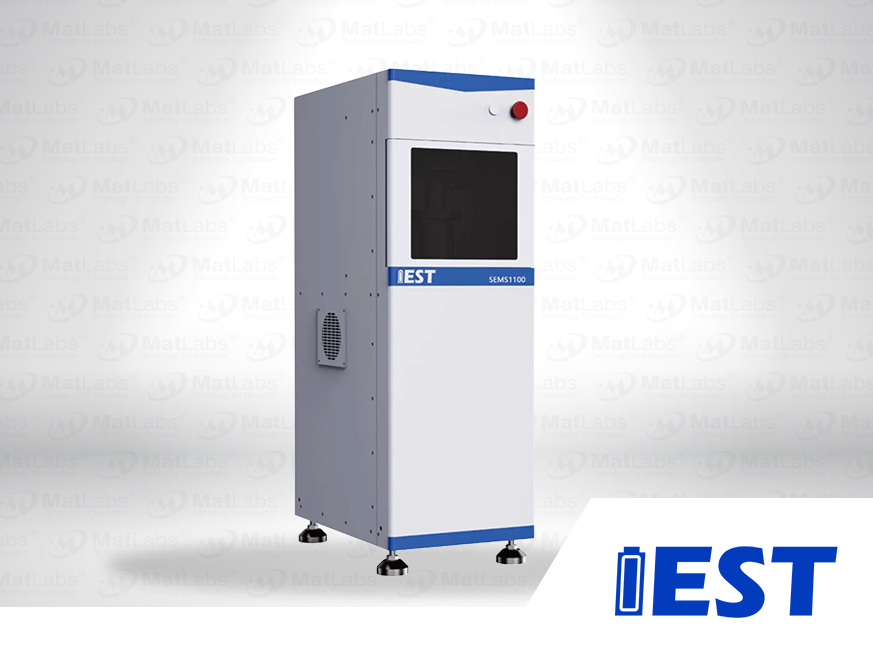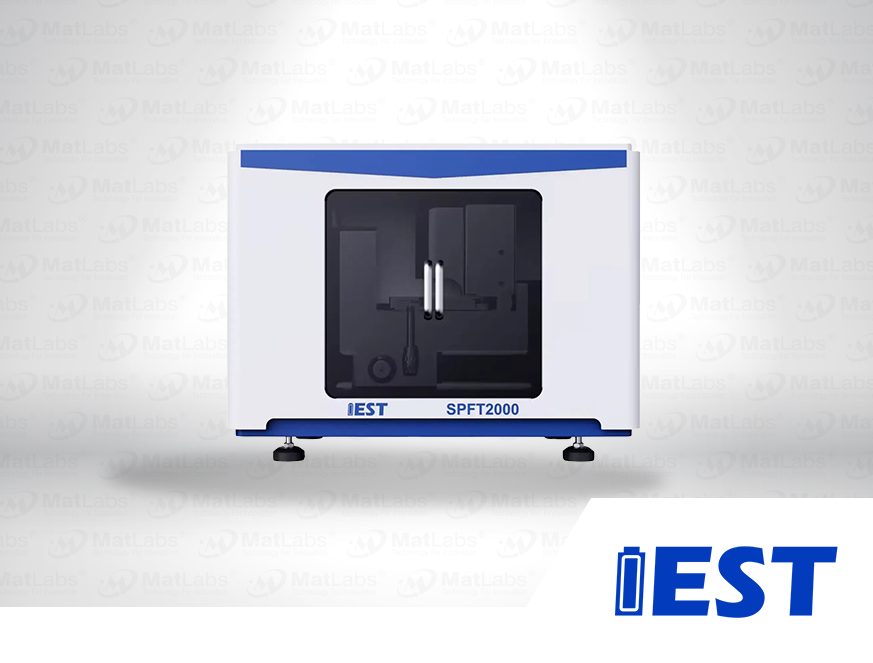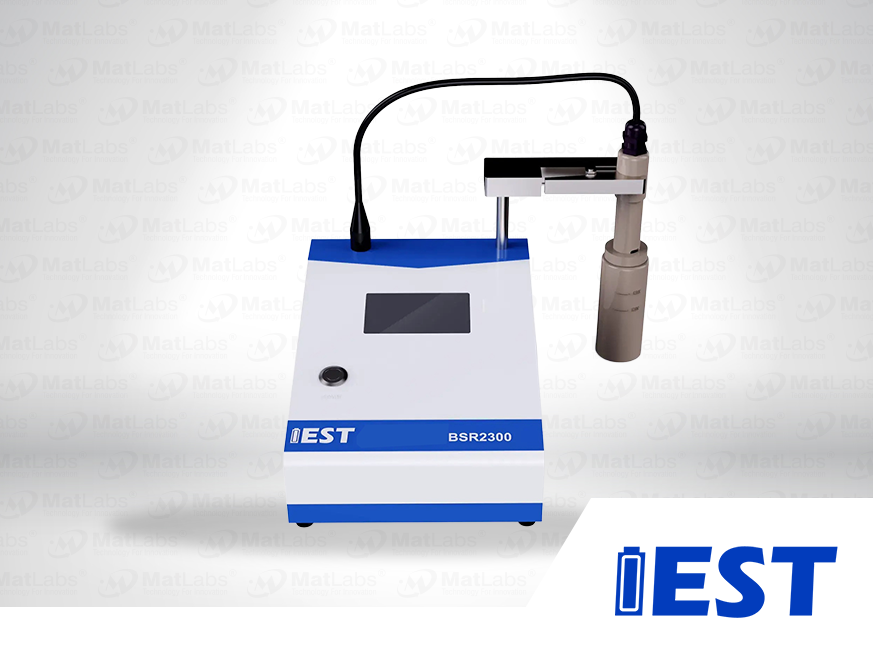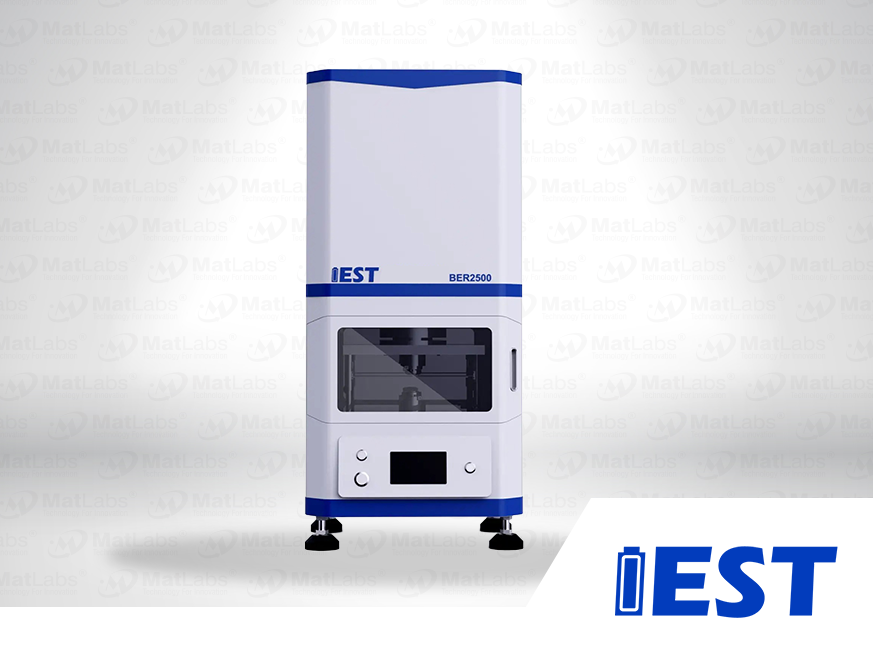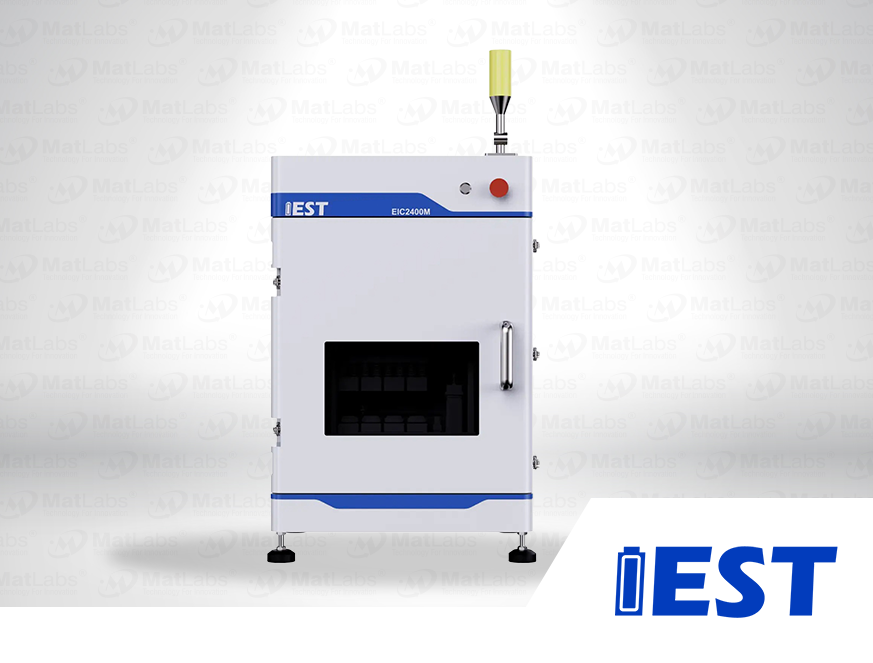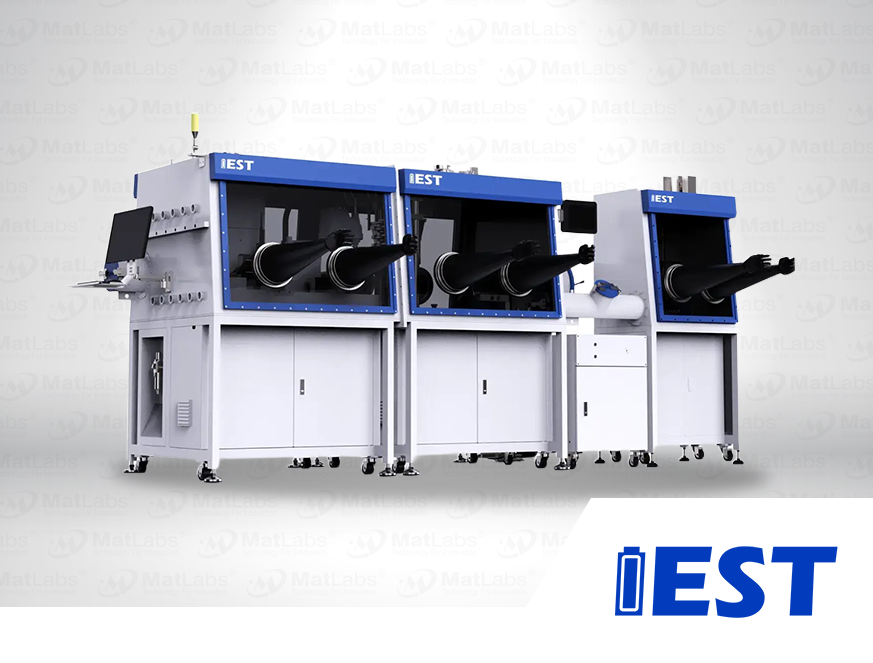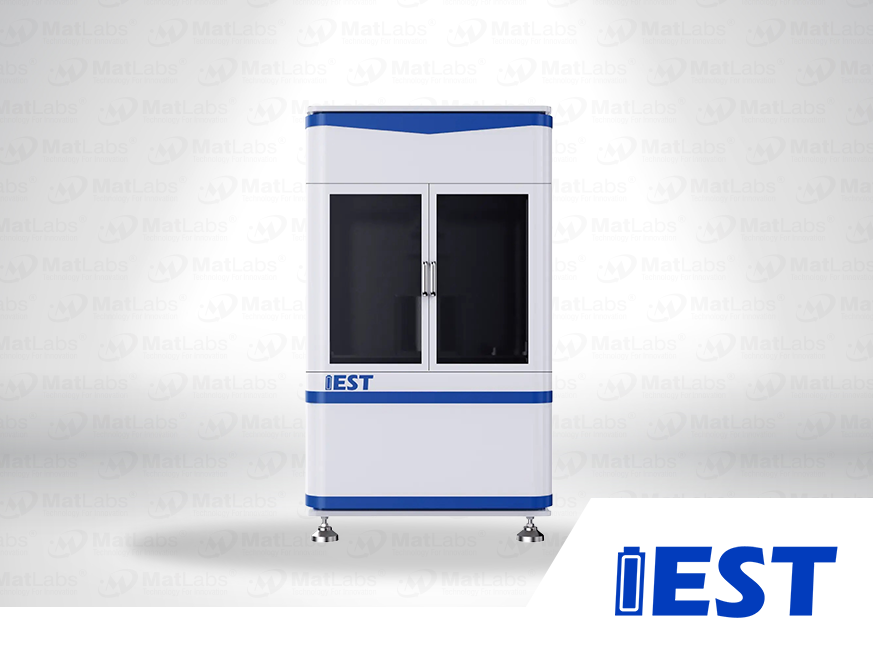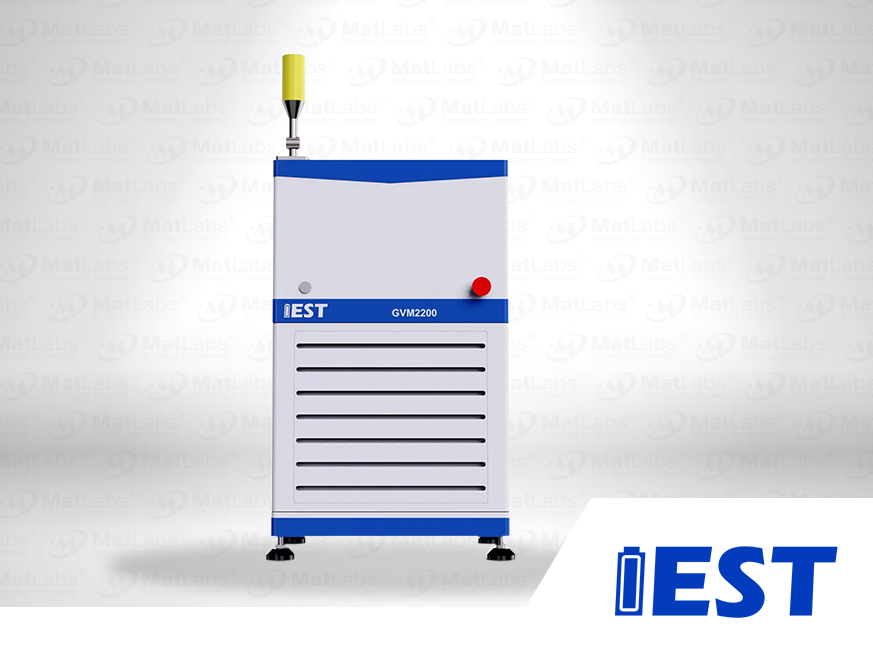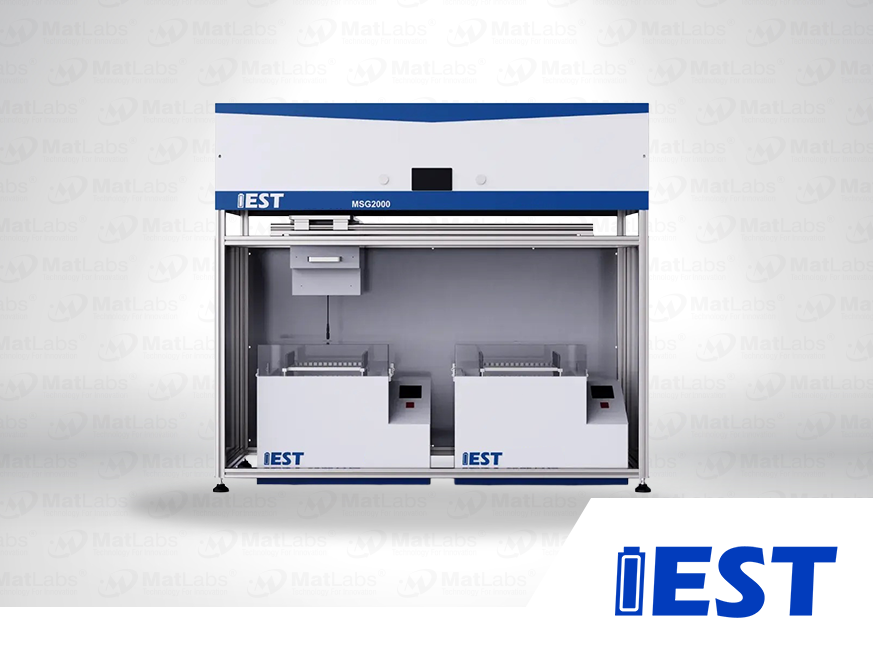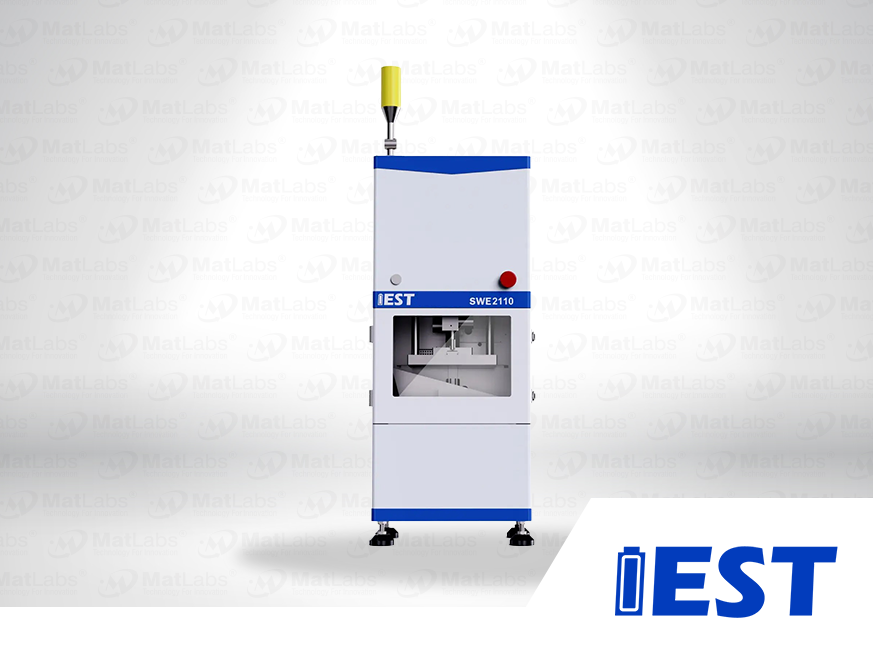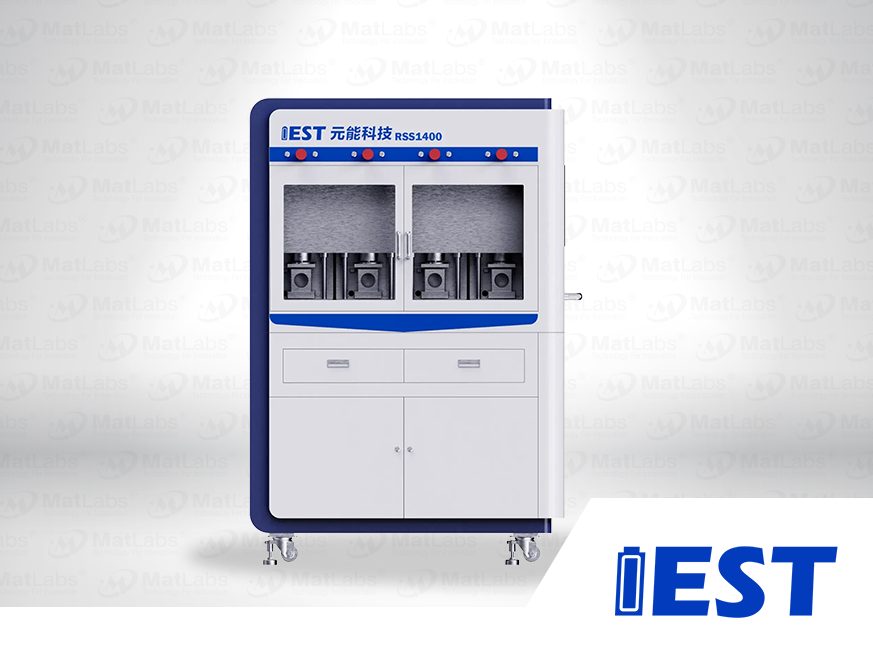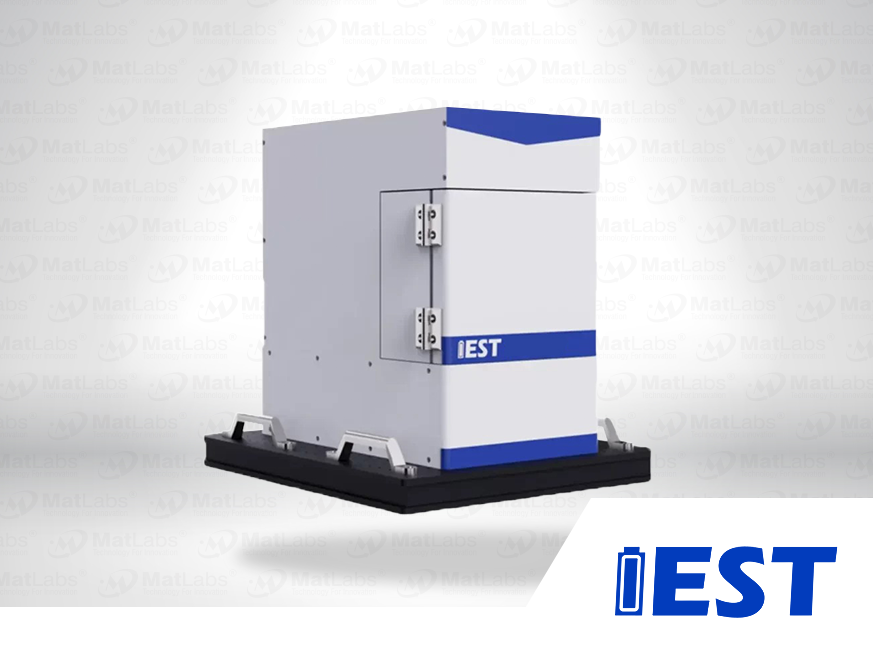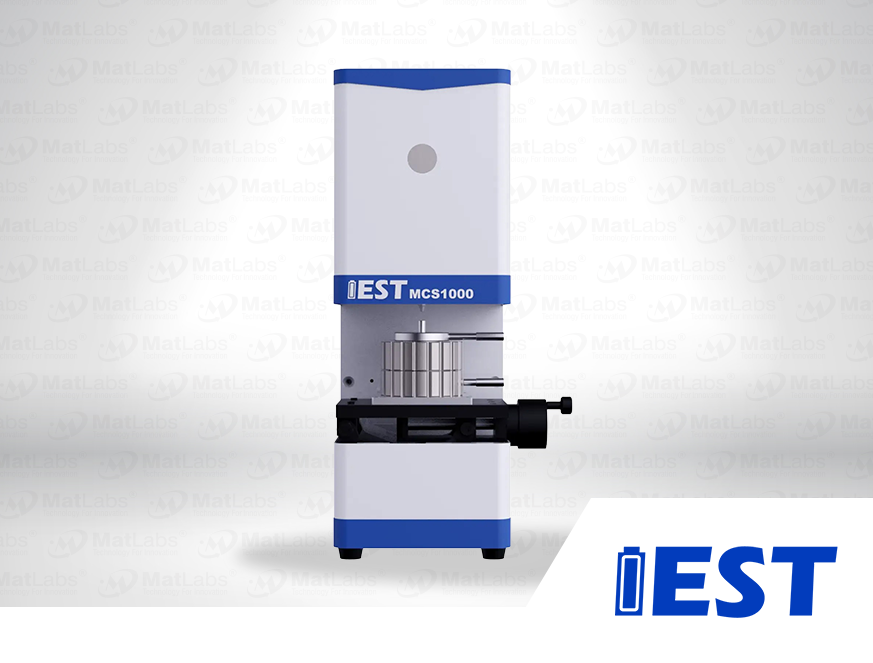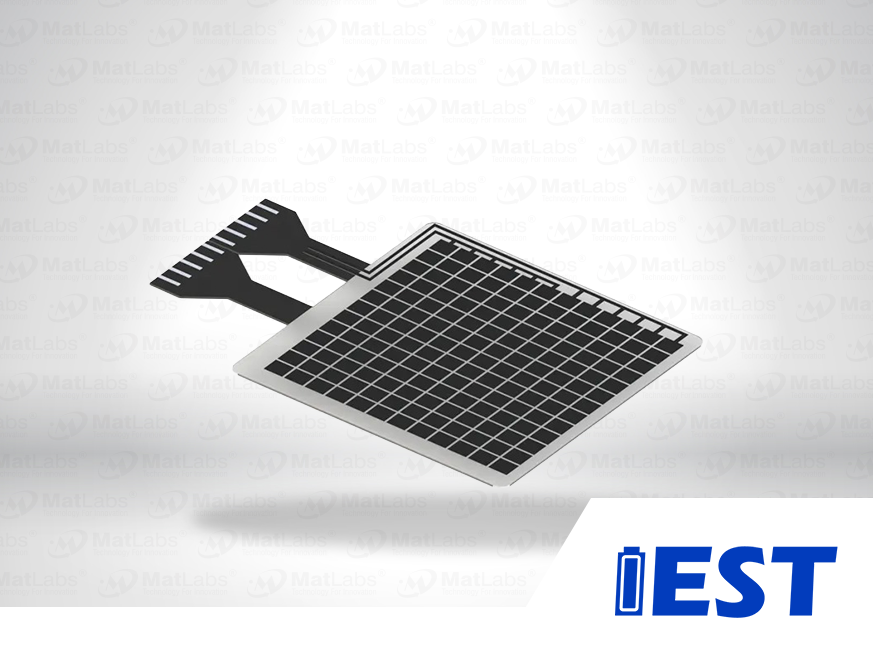
IEST Powder Resistivity & Compaction Density Measurement System (PRCD3100)
Powder Compaction Density & Powder Resistivity Measurement System combined with high-precision pressure control, thickness and resistance testing system, free choice of four-probe and two-probe method. Accurately powder resistivity tests and compaction density measurements for materials R&D and for monitoring batch-to-batch stability of battery powder materials.
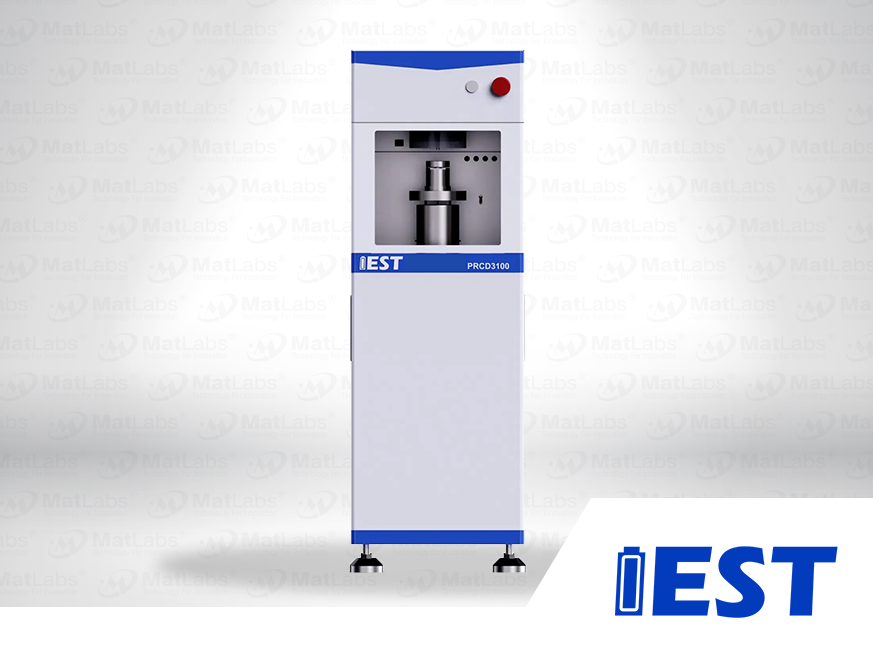
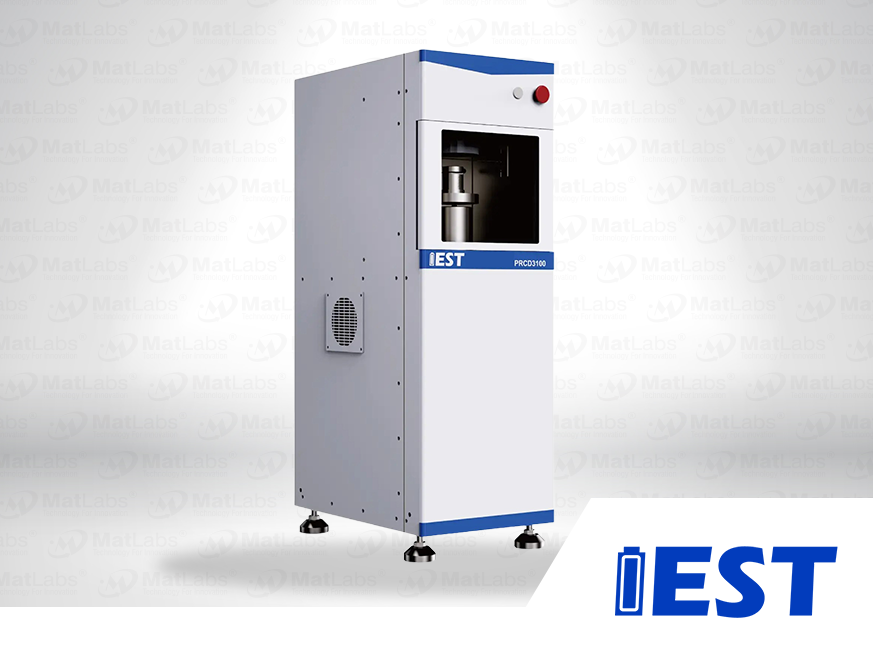
Features:
- Ultra-wide pressurization range (maximum 350MPa) and ultra-wide resistance measurement range (200MΩ);
- When measuring resistance, two-probe and four-probe dual principles can be switched freely;
- Fully automatic test software, free parameter setting, one-click start;
- Real-time monitoring and output of pressure, pressure, ambient temperature, ambient humidity, thickness, resistance, resistivity, conductivity, compaction density and other parameter curves, and automatic saving of test data.
- Multiple powder test modes: pressurization, single-point pressure relief, steady-state pressure relief;
- Equipped with standard thickness blocks and resistance blocks calibrated by a third-party metrology institute.
Application:
- Lithium (sodium) cathode and anode electrode powders (LCO/NCM/LFP/Graphite, etc.),
- Conductive agents
- Solid electrolyte powders
- Other micron-sized powder materials, etc.
1. The Significance of Powder Resistivity Test
The rate capability of lithium-ion batteries is closely related to their internal resistance, which consists of ionic resistance and electronic resistance. Ionic resistance primarily includes the resistance to lithium-ion transport through the electrolyte within electrode pores, the resistance due to ion migration through the SEI film, the charge transfer resistance at the active material/SEI interface where ions and electrons interact, and the solid-state diffusion resistance of lithium ions within the active material. Electronic resistance, on the other hand, mainly comprises the resistance of the active materials in the cathode and anode, the current collectors, the contact resistance between active material particles, the interfacial resistance between active materials and current collectors, as well as the resistance from tab welding.
In practical battery development and manufacturing processes, ionic resistance must be evaluated at the finished cell level, whereas electronic resistance can be rapidly assessed at the material and electrode sheet stages. Therefore, accurate evaluation of electronic resistance in materials and electrodes—for instance, via a powder resistivity measurement system—is highly significant for predicting the overall resistance of the final battery cell.
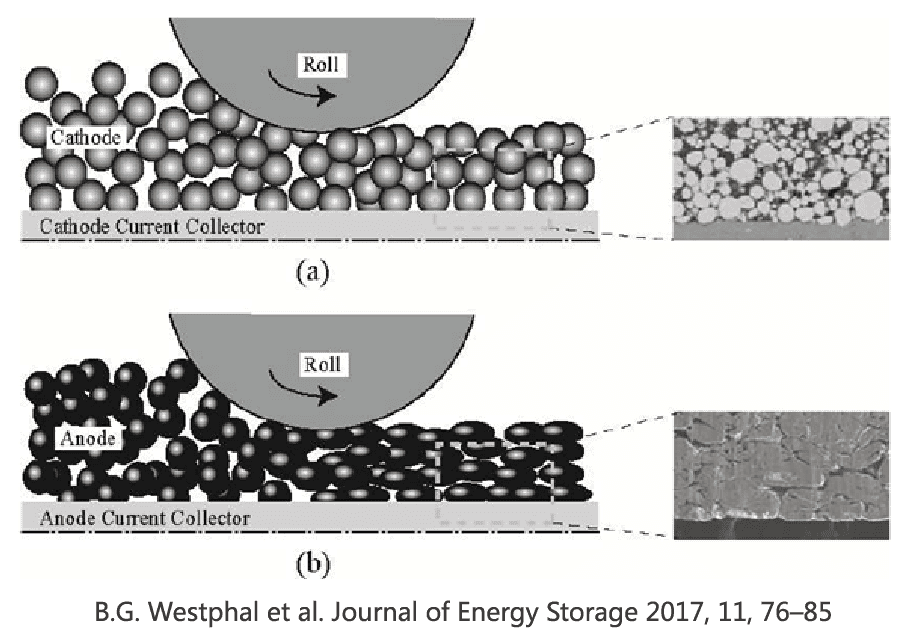
2. Instrument Principles
2.1 Test Methods
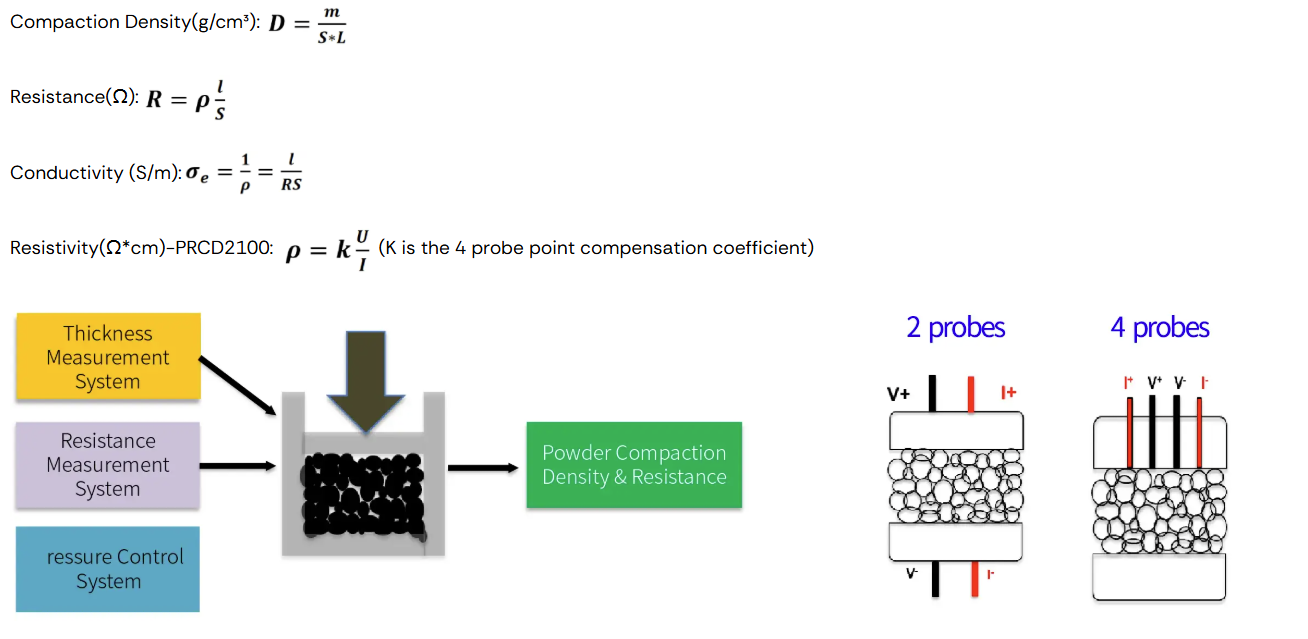
Put a certain amount of powder (1~2g) into the mold and vibrate it, put the mold into the instrument boxset the pressure (<200MPa) and the holding time, and start testing the thickness and resistance changes of the powdeiduring the compression process.
2.2 Test Parameters
Stress, pressure, thickness, resistance, resistivity, conductivity, & compaction density.
2.3 Calculation Formula
3. Why Compaction Density instead of Tapped Density?
Result analysis
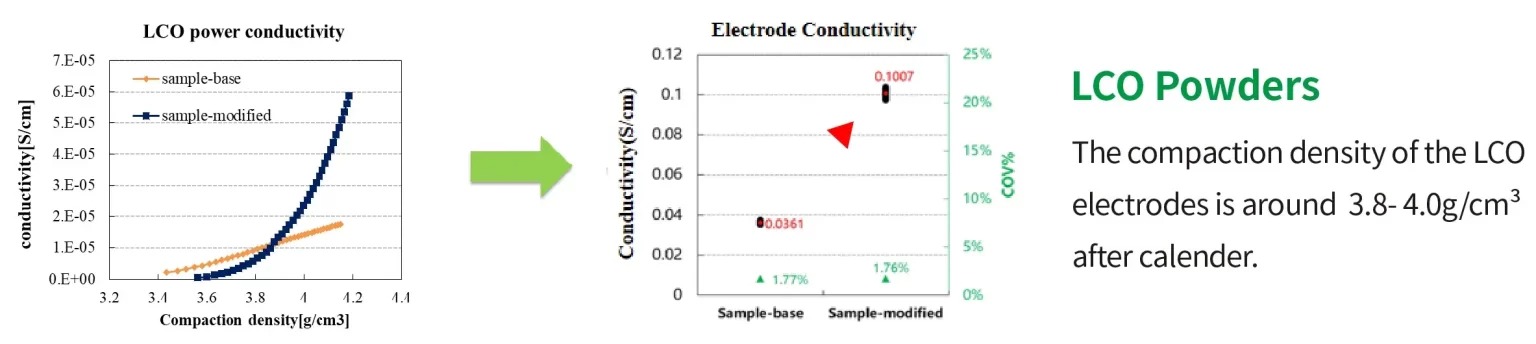
Using LCO powder as an example, when the compaction density ofthe modified powder sample is less thar3.87g/cm’ (pressure <75MPa), its conductivity is lower than that of the unmodified powder sample.However, when the compaction density exceeds 3.87g/cm’ (pressure>75MPa),the conductivity ofthe modified powder beeinsto surpass that of the unmodified powder, and the conductivity improves significantly as the compaction increases
Conclusion: When testing the conductivity of powder, the compaction density should be close to the actual compaction oithe powder in the electrode.
4. Features
- High accuracy pressure system : Driven by servo motor.
- High accuracy displacement sensor : Precisely measure the variation of thickness.
- Specific clamp for resistivity & Compact density test of powder samples : Simplify the process of the powder loading and cleaning.
- Multi-functions : One-stop data collection of key parameters of pressure, resistance, thickness, temperature and humidity with high reliability, to provide a complete traceability for each result.
- Automatic measurement : Providing flexible measurement modes for different kinds of samples, and all the process parameter setting are integrated into a simple software control interface, with one-button to start a measurement
- Integrated design :Integration of control and measurement systems for pressure, resistivity and thickness control and measurement systems.
5. PRCD Software:
- Pressure can be set willfully within the extent of max pressure.
- The resistivity under different pressure can be measured in succession with controllable rate and interval of pressure scan.
- Different data analysis curves can be generated, including resistivity-pressure curve, resistivity-thickness curve, Compact density-pressure curve, and pressure-thickness curve.
- Two resistance data collection modes: interval time mode or automatic steady state condition determine mode.
- Data statistical analysis functions.
- Automatic generation of reports with the value of resistivity (or conductivity) and Compact density.
6. Applictions