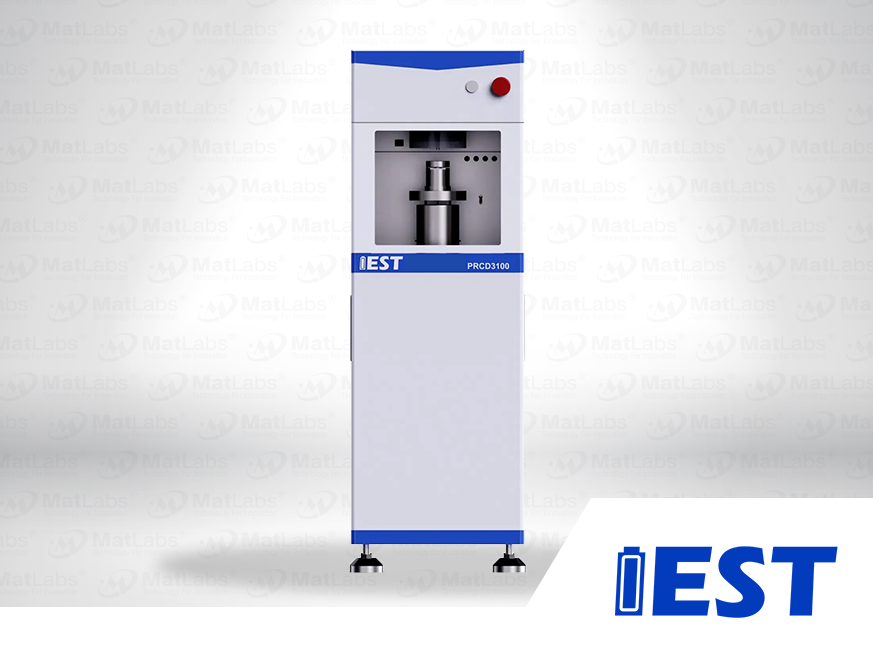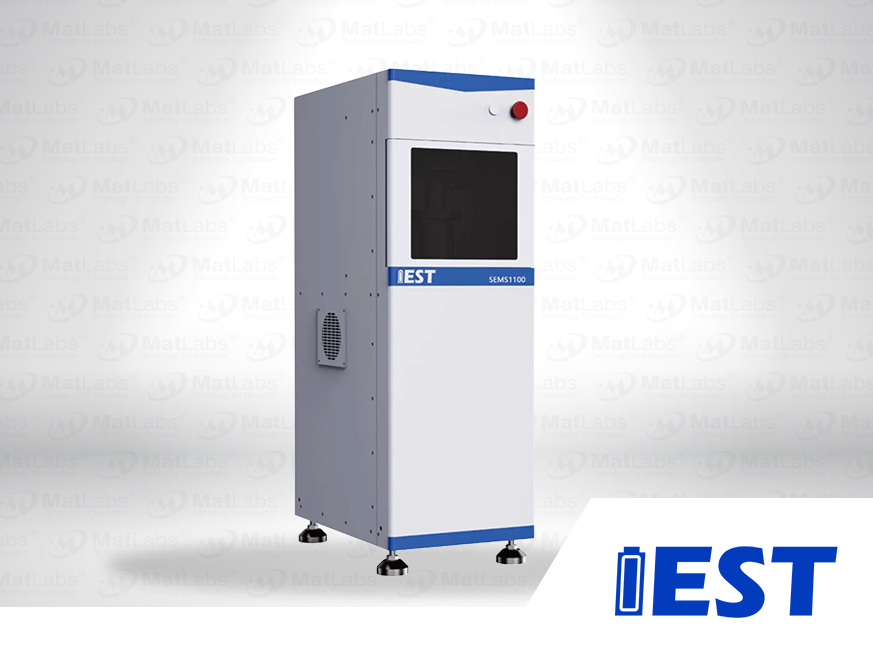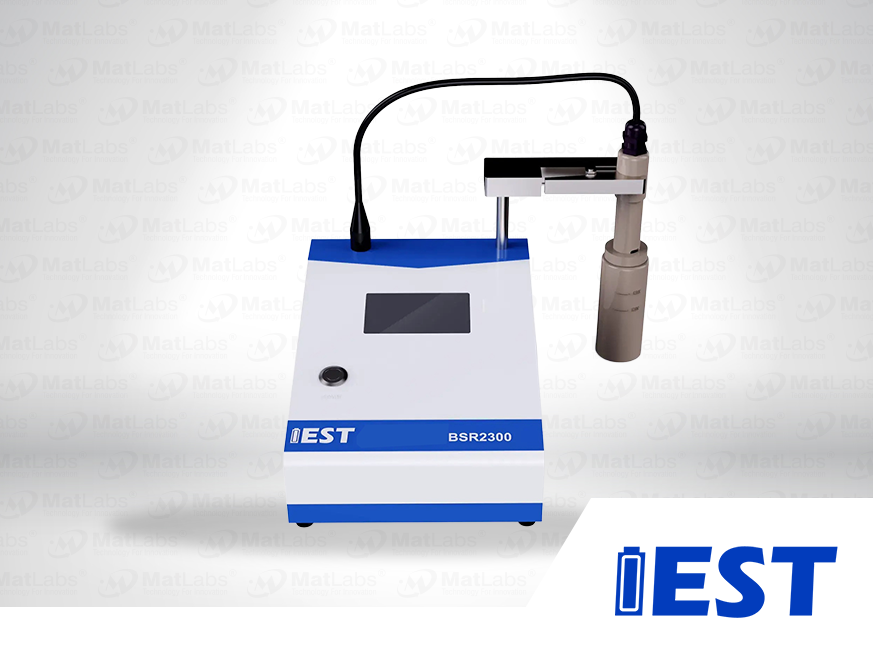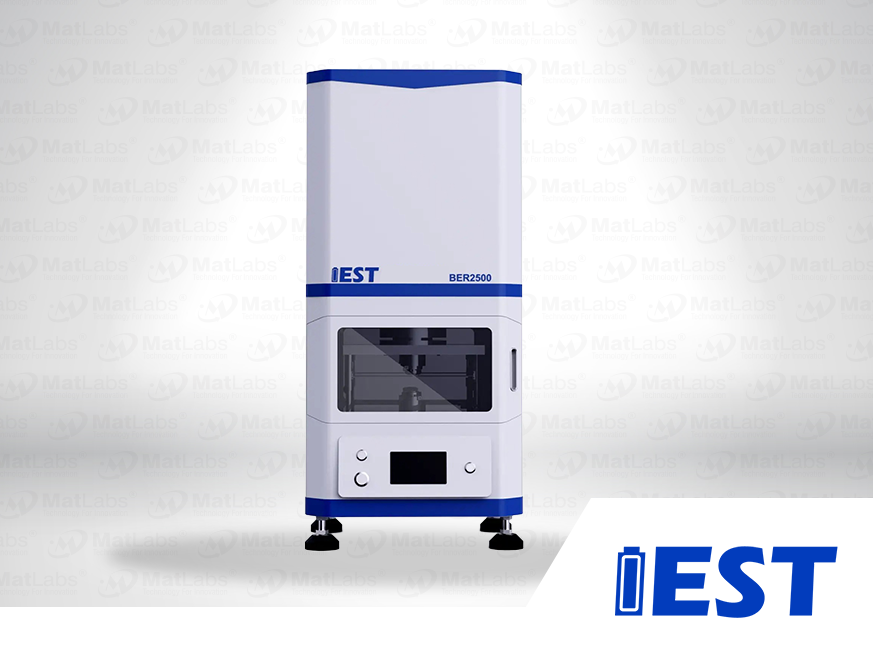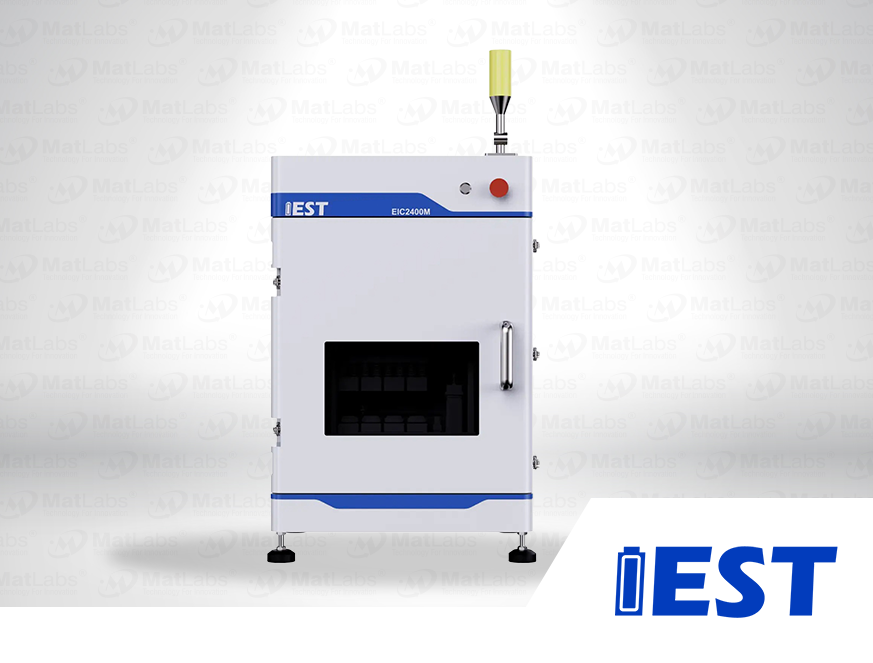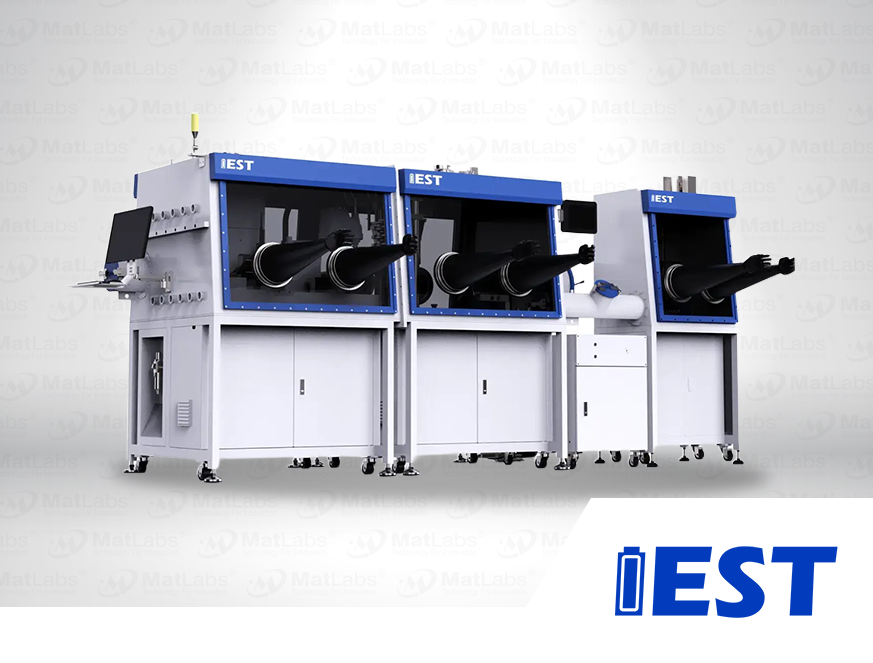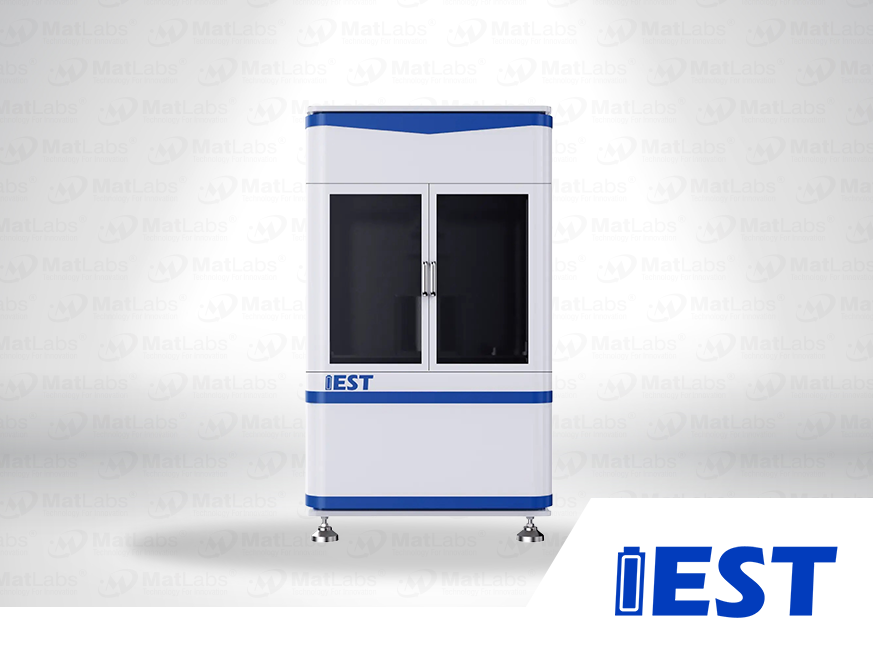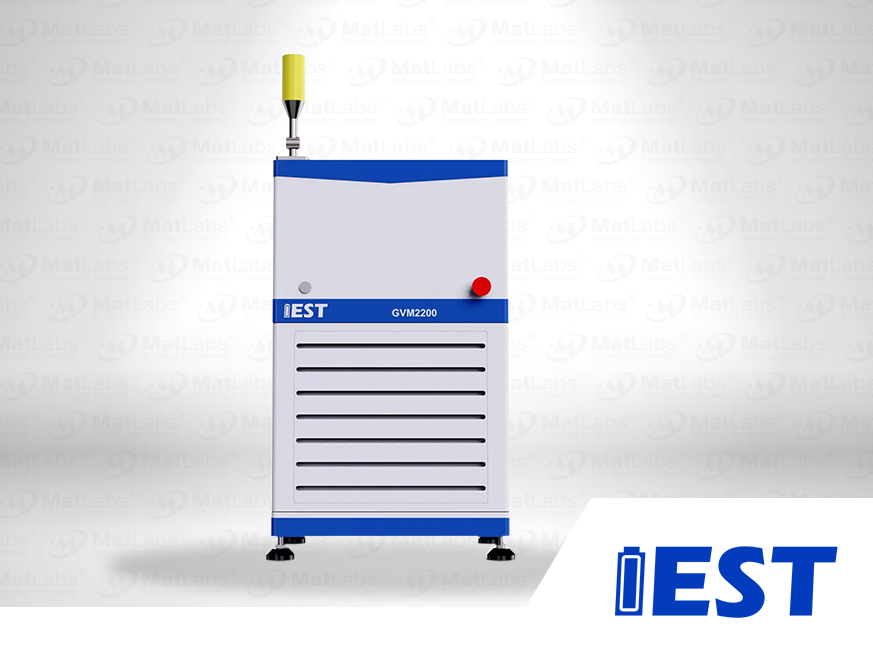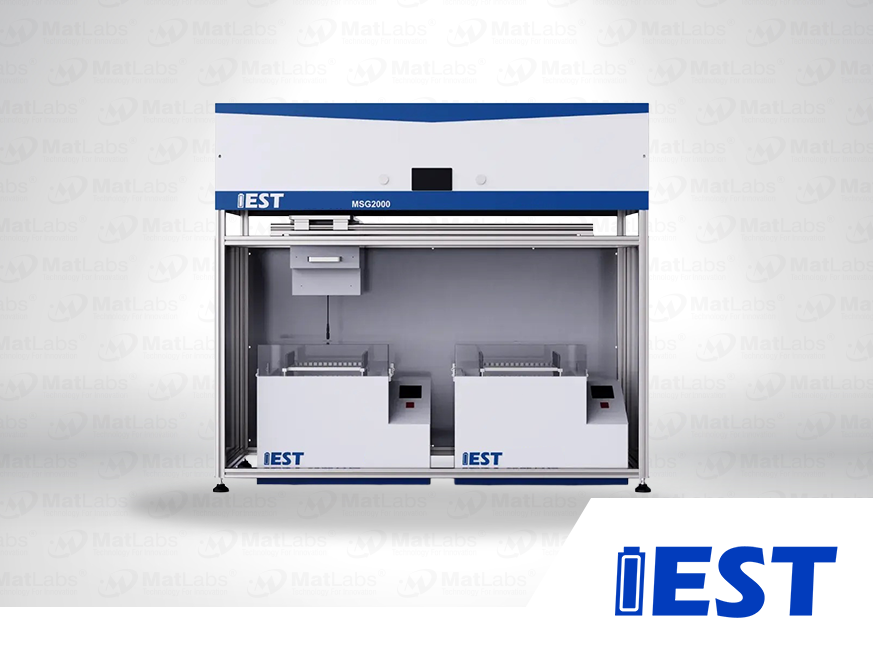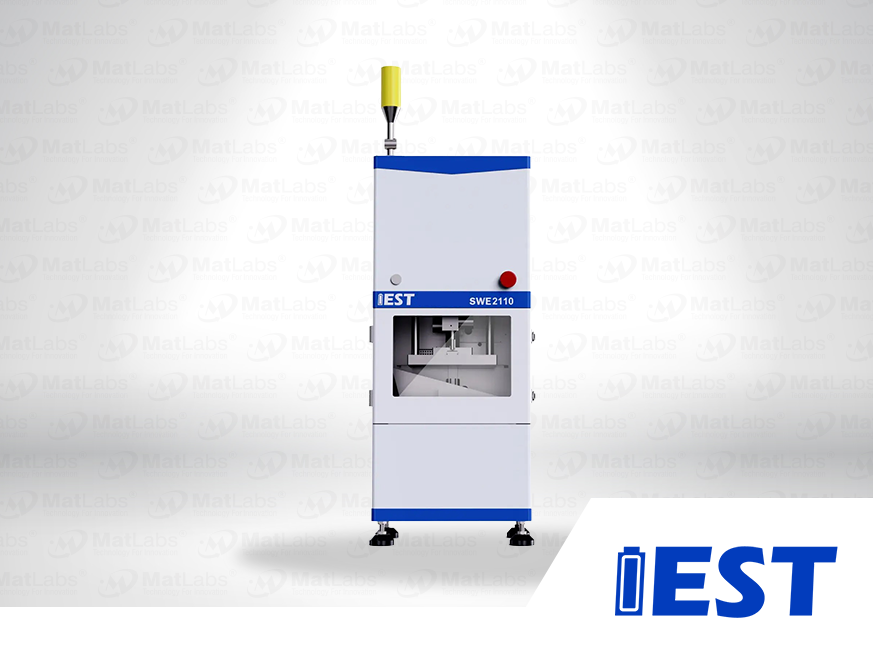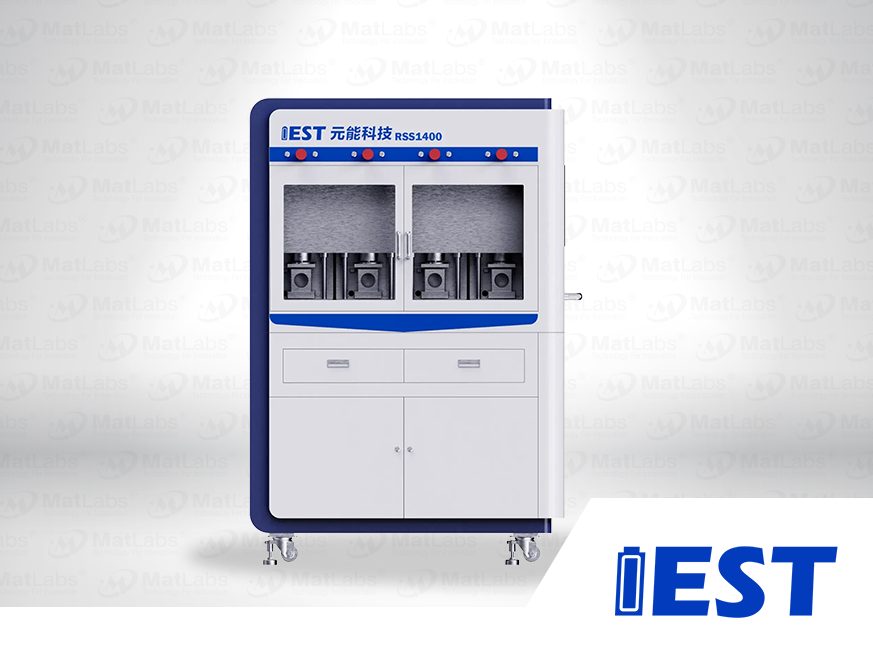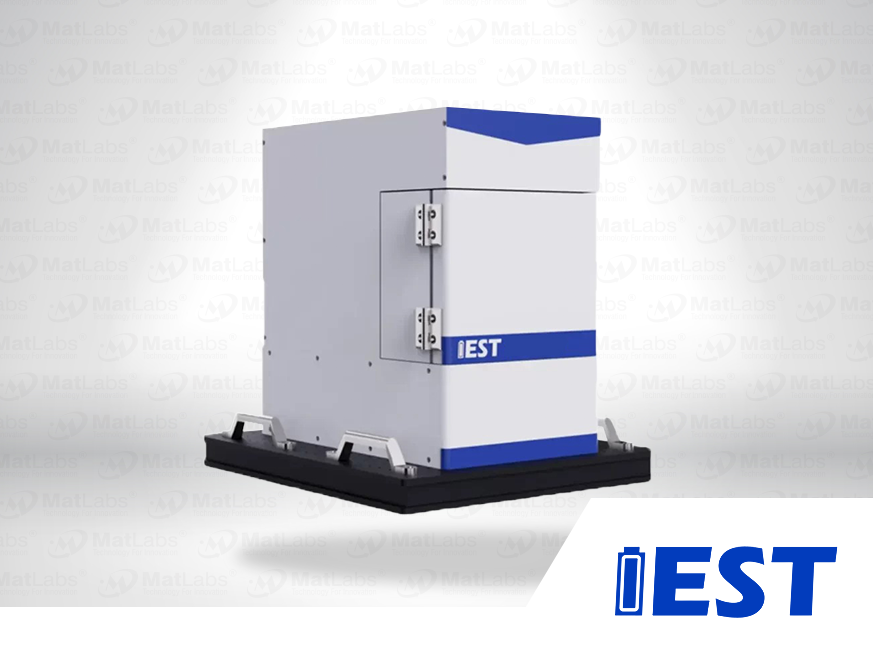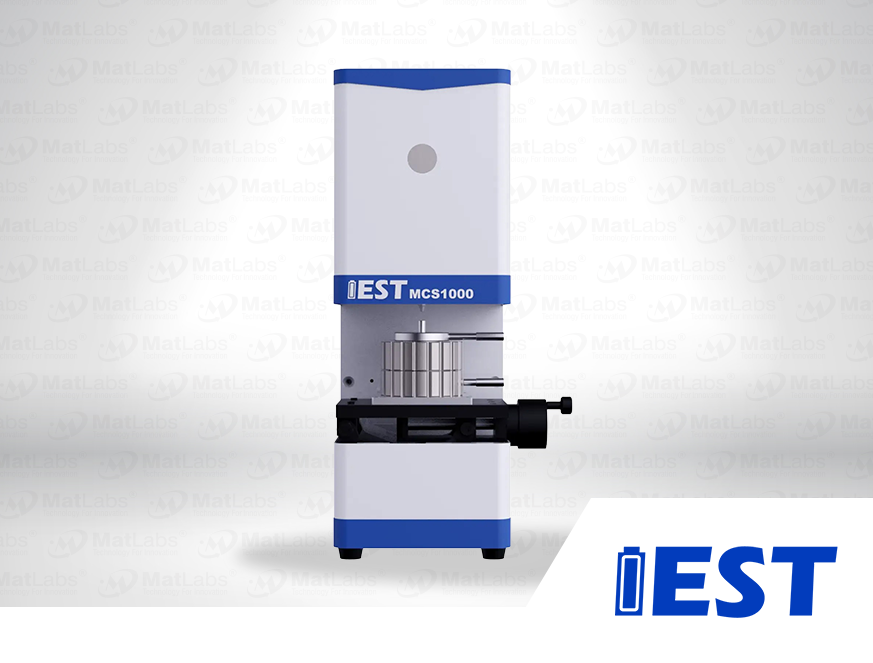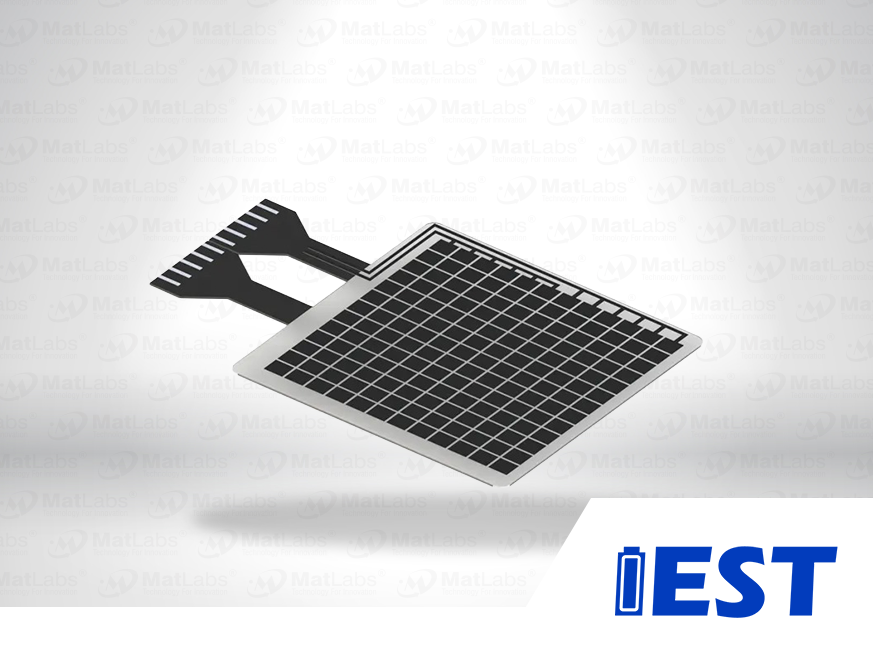
IEST Single Particle Force Properties Test System(SPFT2000)
Introduction: IEST Single Particle Property Testing System(SPFT Series) provides high-precision (0.1 mN / 10 nm) compression and fracture testing for 5–50 µm battery electrode particles, quantifying micro-scale mechanical properties and failure mechanisms under controlled pressure to evaluate the material’s pressure resistance and guide the calendering process, particle design, densification, and electrode process optimization.
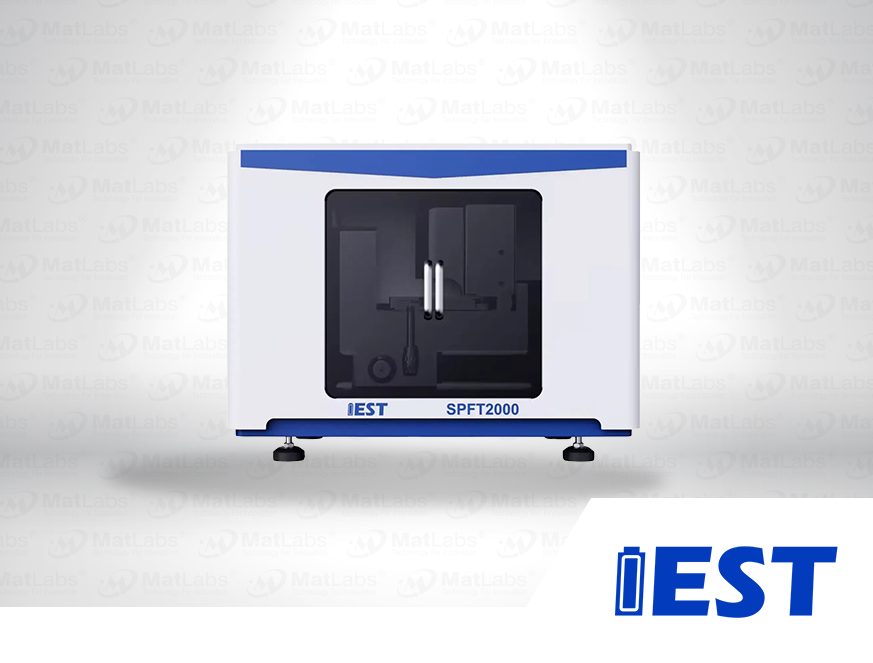
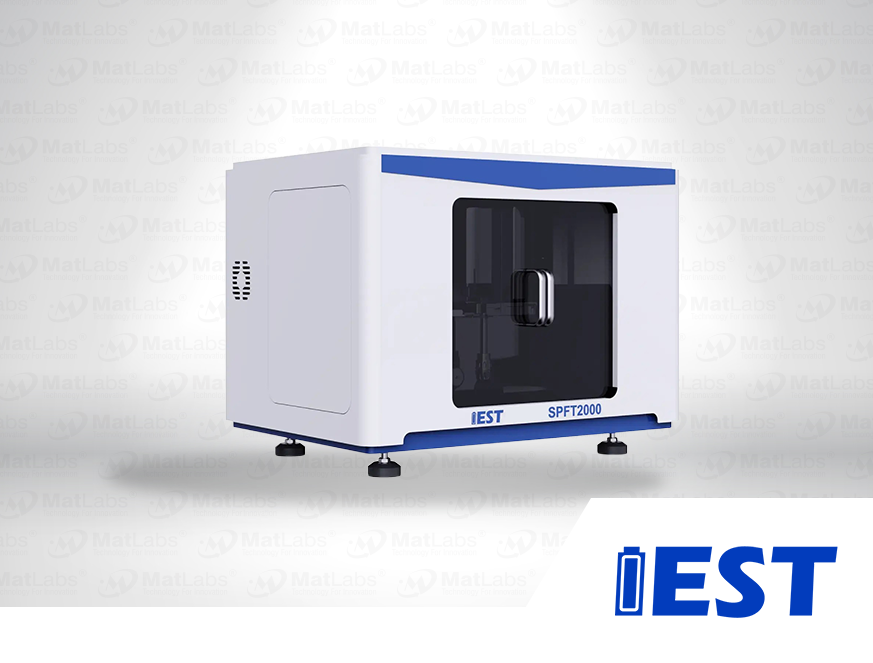
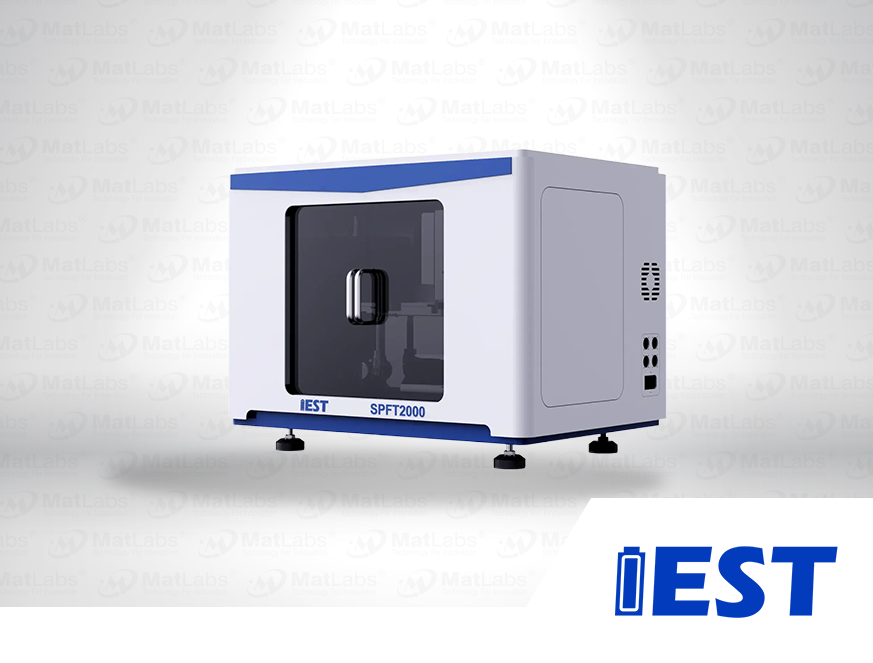
Test object: Lithium battery anode and cathode electrode materials
Test particle size: Single particle size: 5~50μm
Features:
- Multifunctional Testing: Displacement, pressure, and fatigue modes.
- All-in-One Automation: Integrated software with real-time imaging & analysis.
- Battery-Material Specific: Designed for anodes, cathodes, & solid electrolytes.
- High Resolution & Precision: Inverted optics and precise control.
- Superior Cost-Effectiveness: Lab-grade performance at a lower price.
Application:
- Testing the crushing strength of battery material particles
- Can be used to evaluate the pressure resistance of the material
- Guide the rolling process
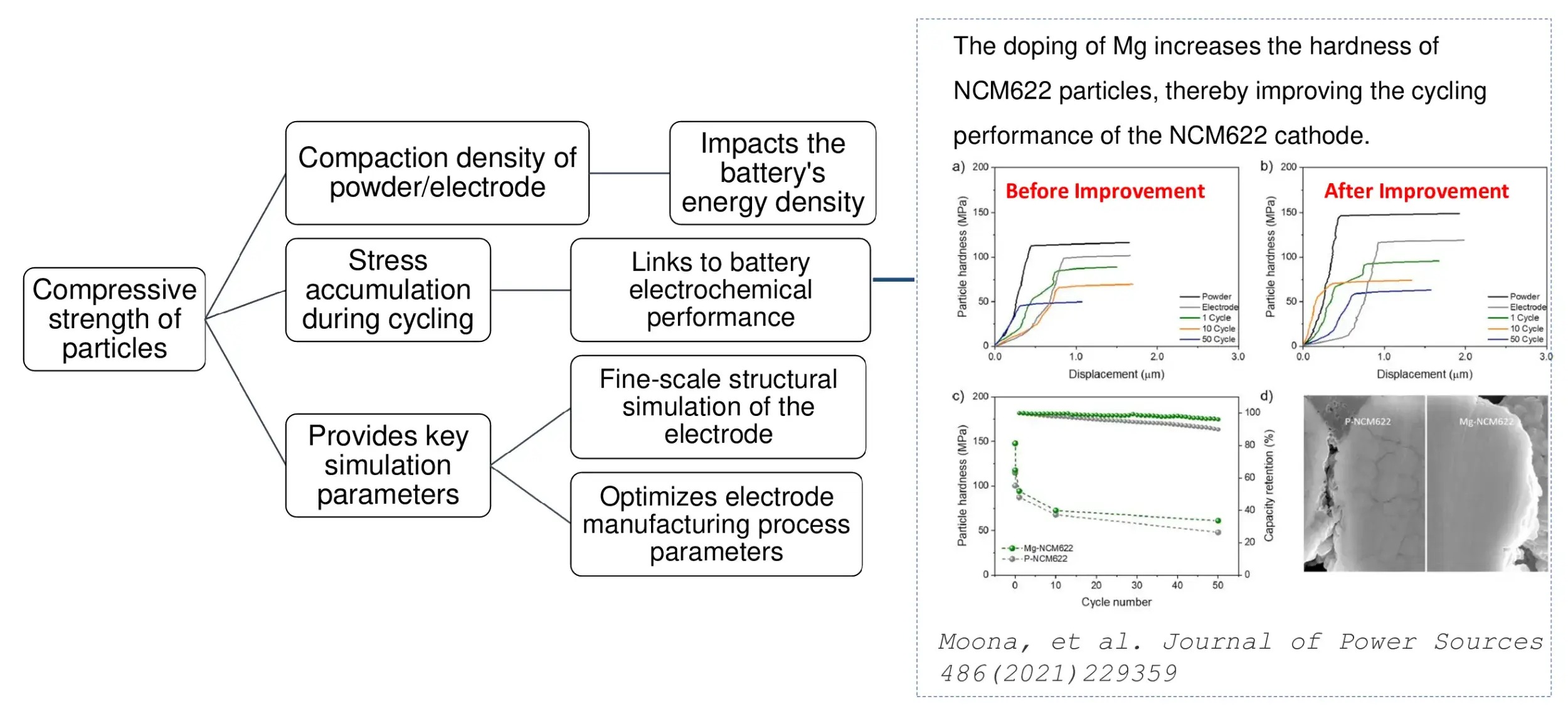
- Materials with high mechanical strength will have better subsequent cycle stability.
1. Product Introduction
1.1 Background
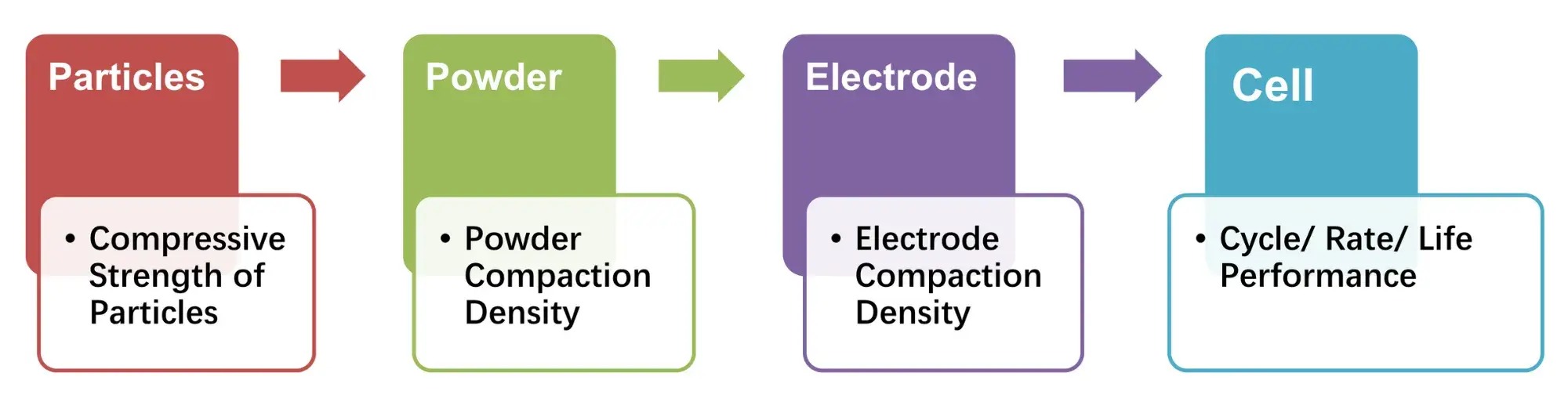
Testing the crushing strength of battery material particles can be used to evaluate the pressure resistance of the material and guide the rolling process. Materials with high mechanical strength will have better subsequent cycle stability.

1.2 Testing Object
Lithium battery cathode and anode electrode materials(Cathode: polycrystalline ternary; lithium-rich material; Anode: silicon-based, hard carbon, etc.; solid electrolyte)
1.3 Test Particle Size
Single particle size: 5~50 μm
1.4 Equipment Composition
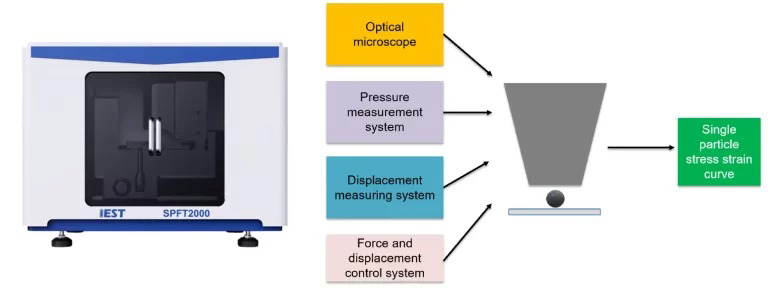
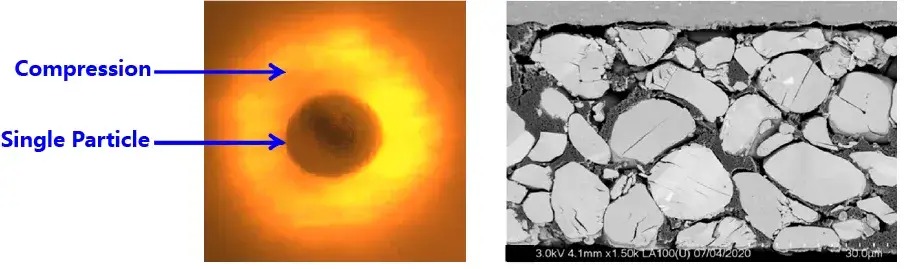
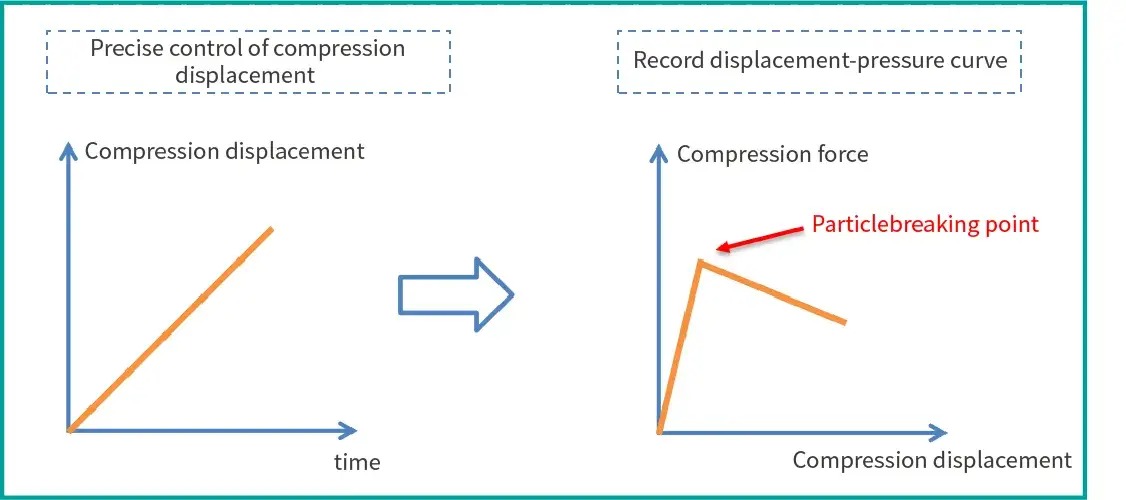
- Core Function: Particle compression with force-displacement curve recording — identifying the failure point: the force at which the particle is crushed (fails).
- Functional Modules: Integrated control of displacement and pressure via software; real-time particle imaging and video recording.
2. Equipment Features
2.1 Diverse Structural Functions
- High-resolution optical imaging
- Precise displacement control
- Inverted optical system design
- Automated XY displacement stage
2.2 Multiple Testing Modes
- Displacement control mode
- Pressure loading-unloading mode
- Fatigue testing mode
2.3 Fully Automated Software
- Real-time force-displacement curve display
- One-click data analysis
- Real-time observation and recording of particle crushing process
2.4 Customized for Lithium Battery Materials
- Cathode materials
- Anode materials
- Precursor materials
- Solid electrolyte materials
2.5 High Cost-Effectiveness
- Offers comparable functionality to similar foreign instruments at a significantly lower price.
3. Testing Program
3.1 Testing Method
Disperse the powder into the liguid, add it dropwise to the glass slide. Locate the single particle under an optical microscope. Control the pressure head to press down at a constant speed. Collect the force and displacement curves during the particle compression process and calculate the mechanical properties of the single particle.
3.2 Test Parameters
- Magnification: up to 1200 times;
- Pressure test range: 0-100 mN;
- Pressure test accuracy: ±0.1 mN;
- Minimum displacement unit: 10 nm;
- Data collection frequency: 1000HZ;
- Comply with national standard GB/T 43091-2023″Powder Compressive strength Test Method”