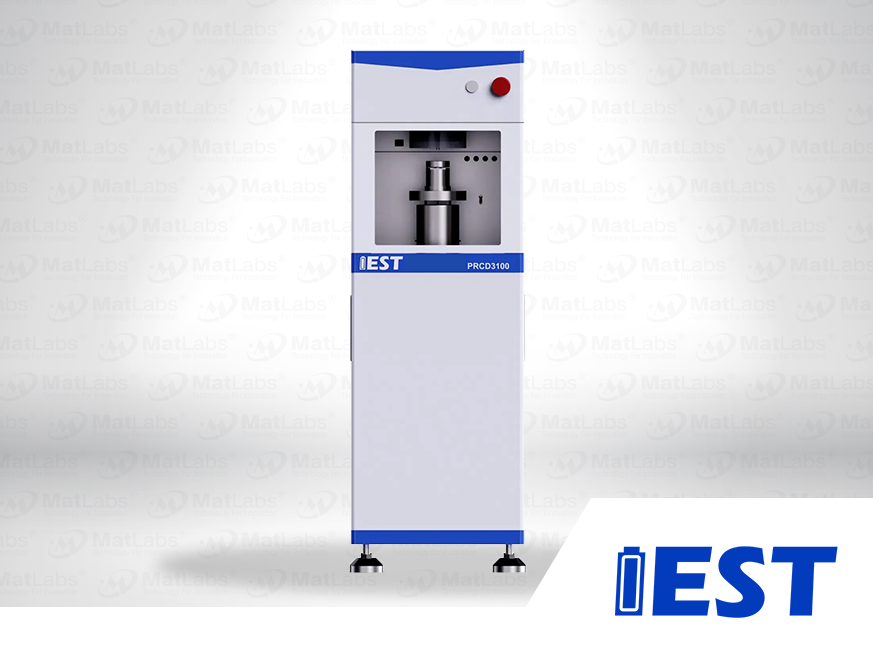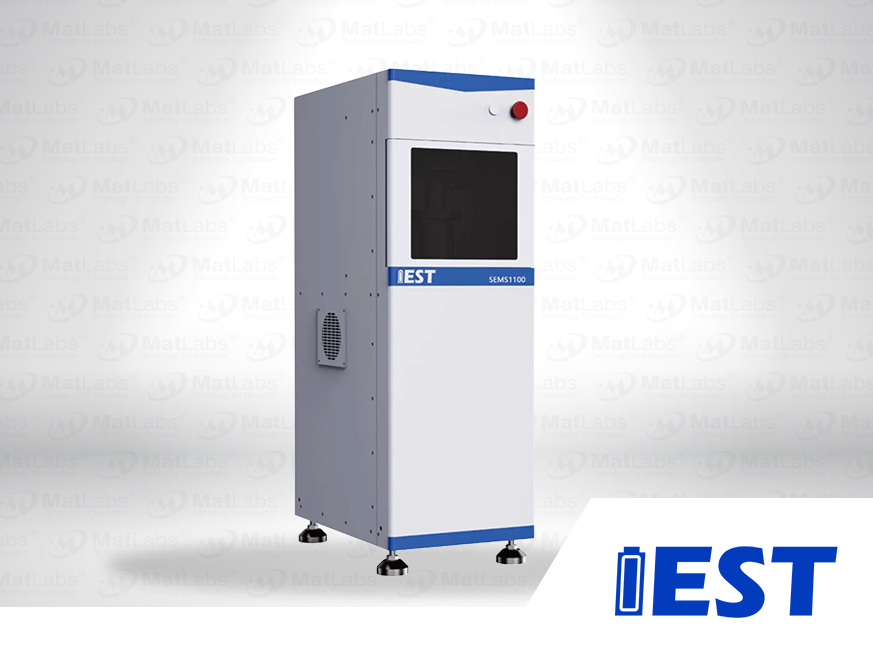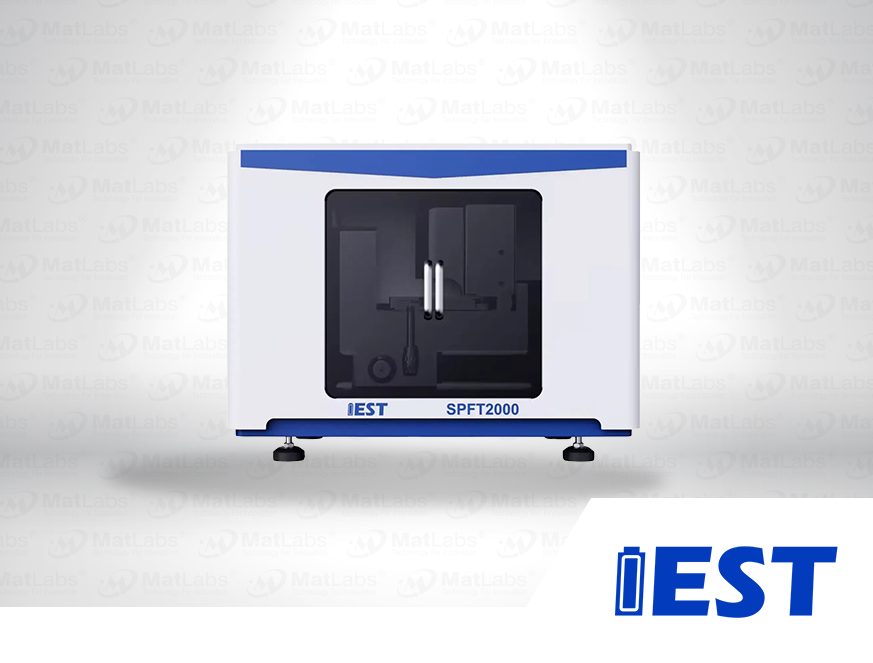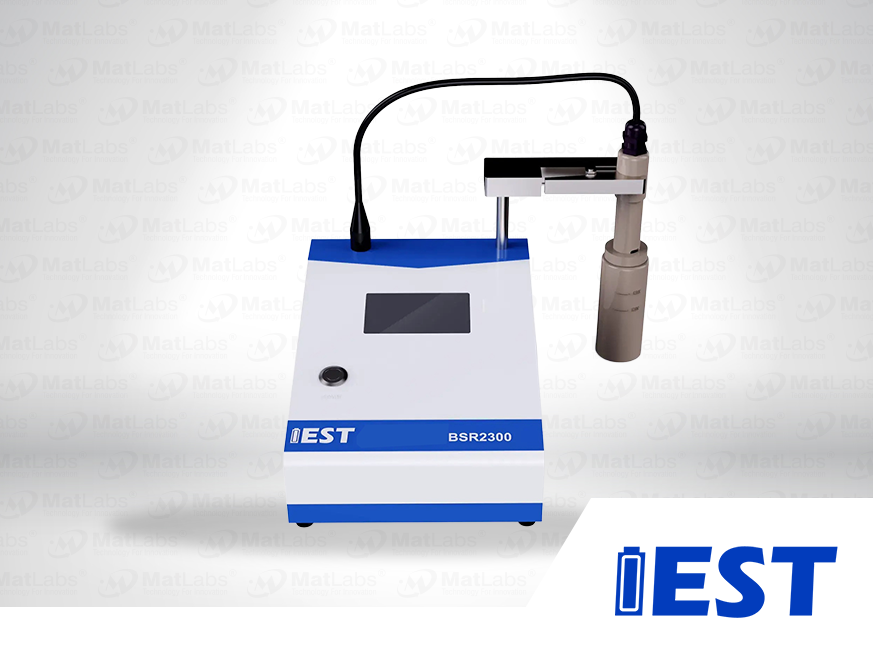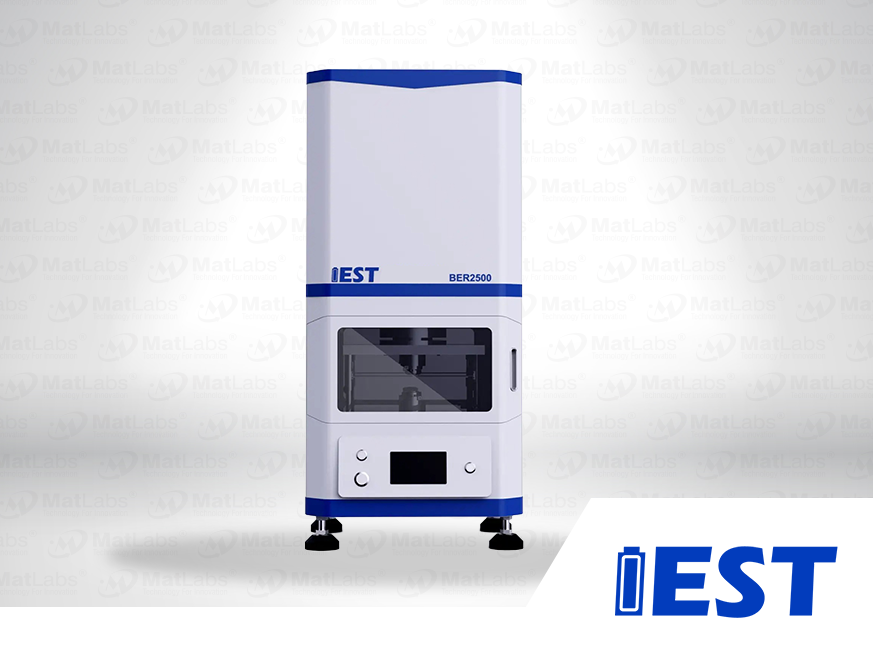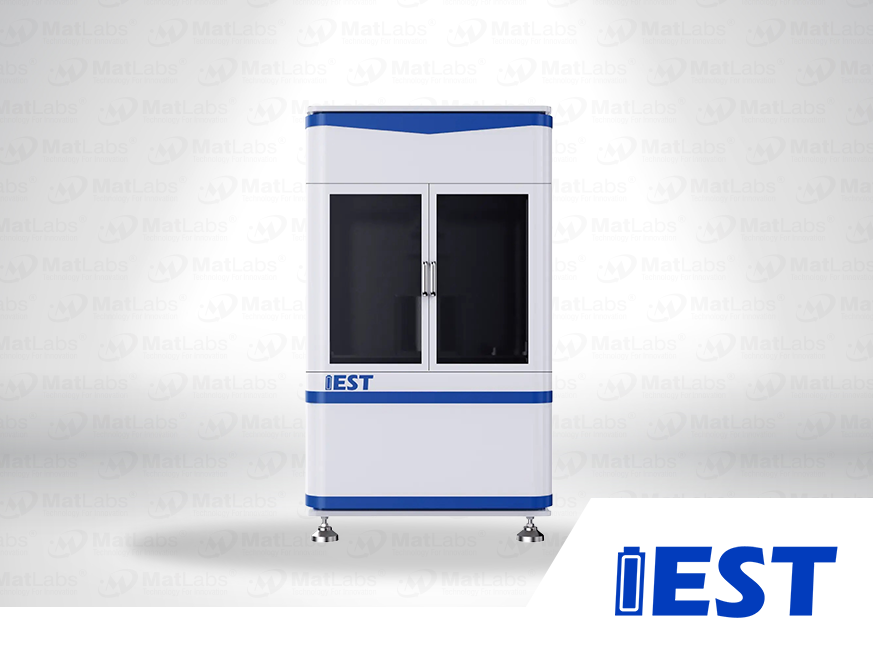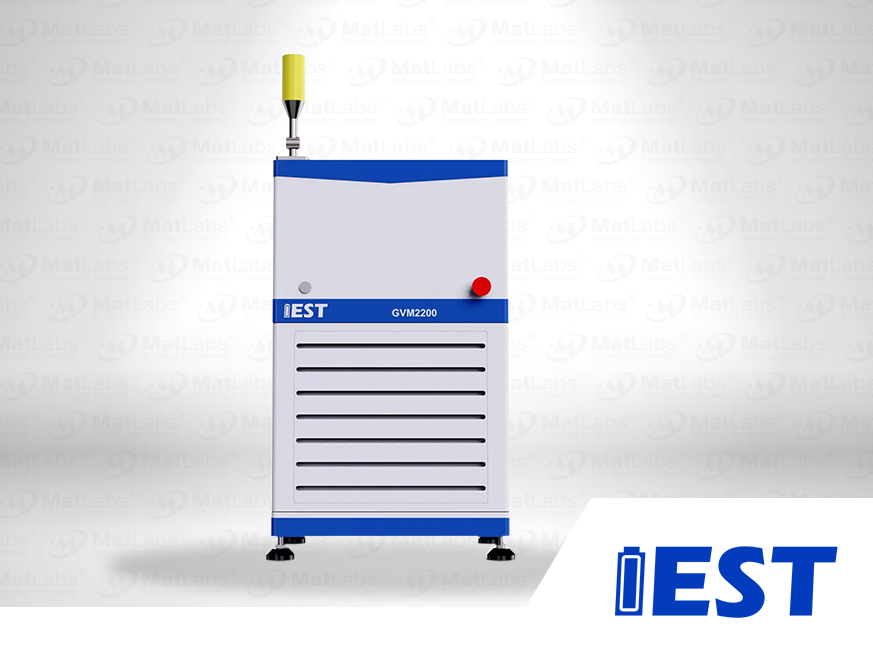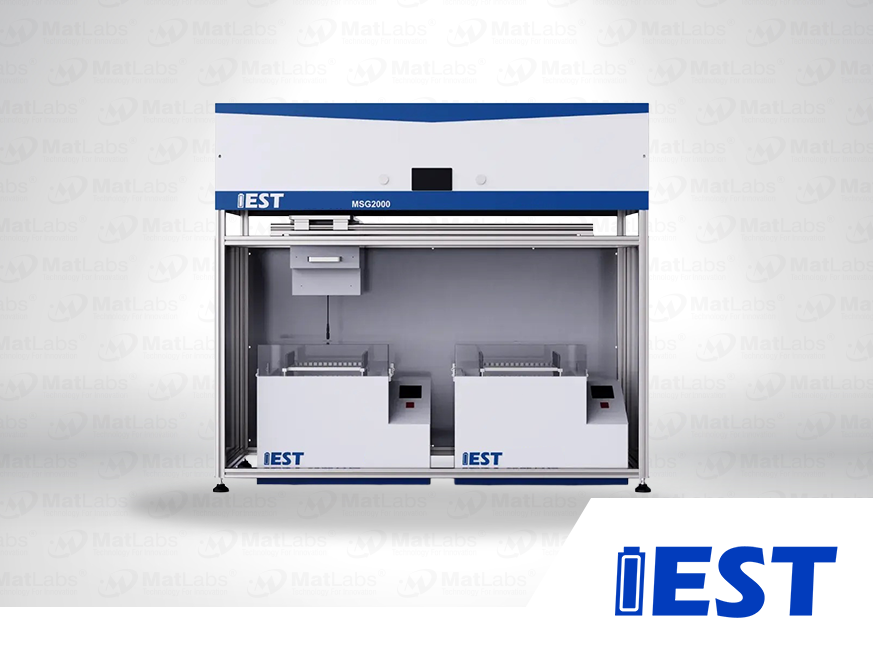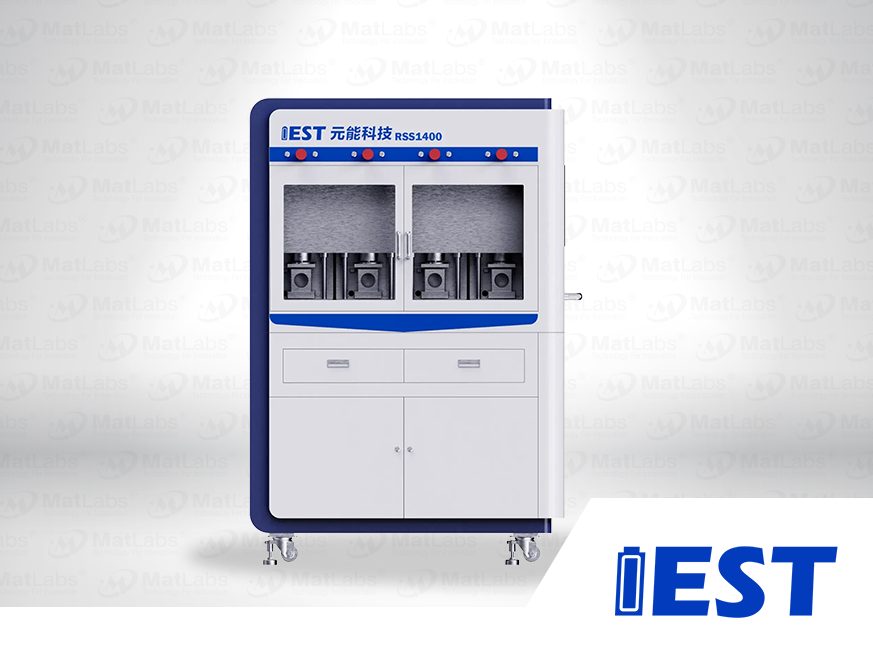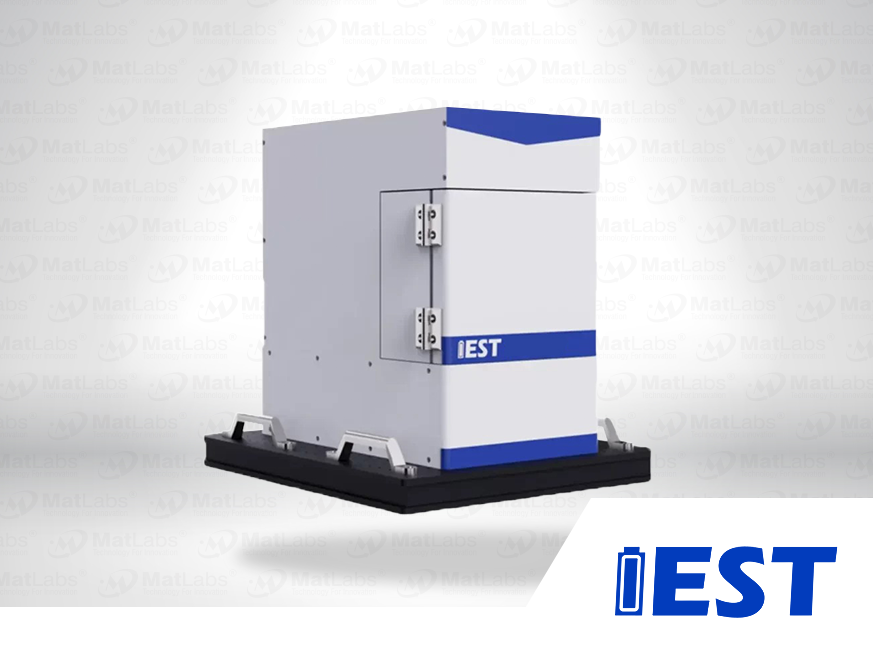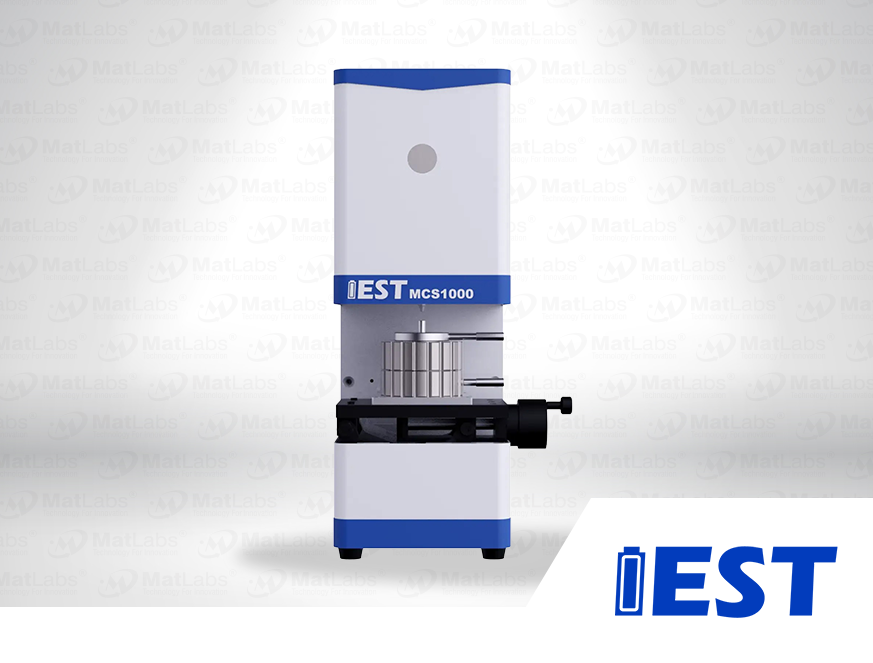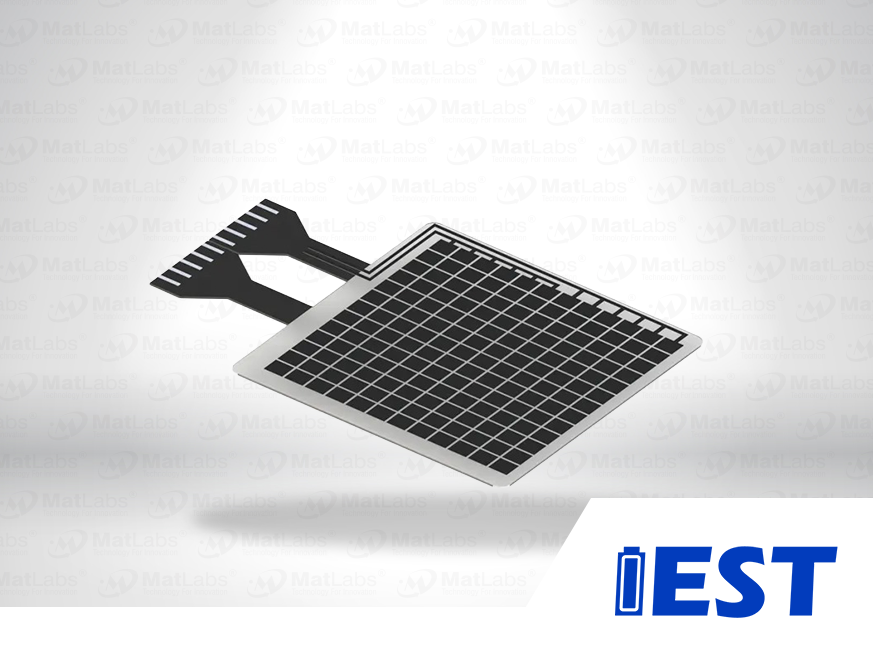
IEST In-Situ Cell Swelling Testing System(SWE Series)
In-Situ Battery Cell Swelling Testing System(SWE) adopts servo motor, combined with high-precision control system, equipped with multiple high-precision thickness measuring sensors, to accurately measure the swelling thickness and swelling force of the battery charging and discharging process.
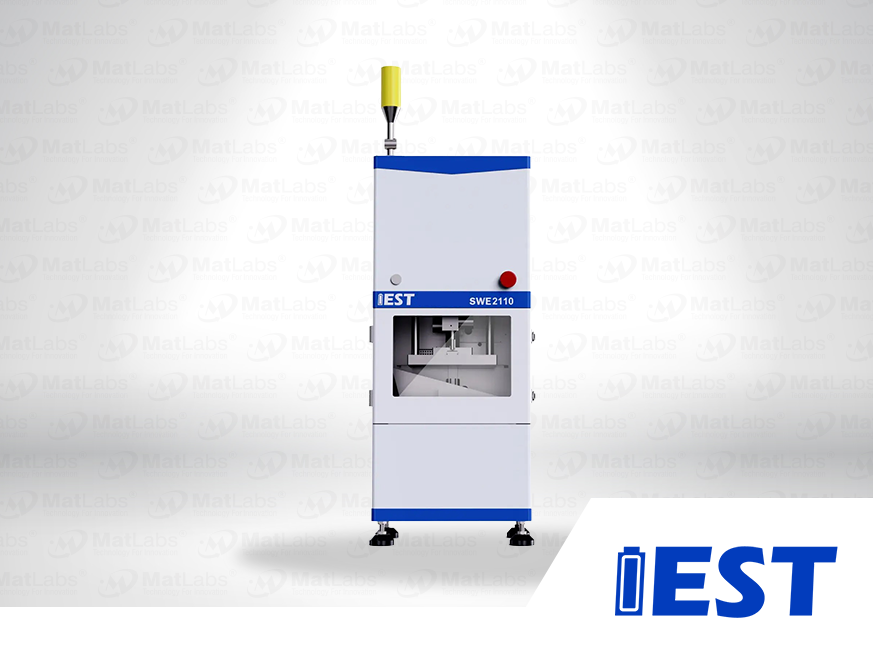
Features:
- In-situ non-destructive lithium plating detection innovative method;
- Multi-Level Expansion Testing: Electrodes, Coin Cell, Pouch Cell, Prismatic cell, Short-blade Cell
- Multi-Channel Swelling Testing: Single-channel → Dual-channel → Four-channel
- Temperature Control:-20°C-80°C
- Wide Force Ranges: 5kg → 100kg → 300kg → 1000kg → 5000kg → 10000kg
- Quantitative battery cell swelling thickness and expansion force changes to assist in the study of battery cell swelling behavior;
- Multiple test modes: constant pressure, constant gap, and compression mode.
Applications:
- Material evaluation
- Battery cell R&D
- Cell stiffness evaluation
- Swelling force distribution
- Module Simulation
- Lithium plating analysis
- Battery cell structure evaluation
- Operating condition evaluation.
1. Principle of Battery Cell Swelling
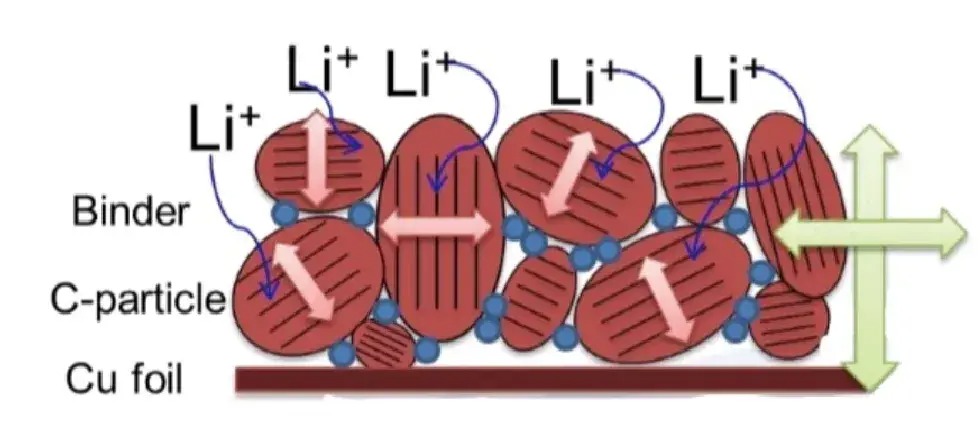
During the charging and discharging process of lithium-ion batteries, the insertion and extraction of lithium ions in the positive and negative electrode materials cause reversible expansion and contraction of the cell. At the same time, side reactions such as particle cracking, SEI film rupture, and cell deformation occur, leading to irreversible deformation. Thus the swelling behavior of the battery cell becomes an impotant indicator for evaluating the reliability of the Lithium batteies.
On the other hand, the lithium plating also can cause the expansion of LIBs. Thus, how to identify the lithium plating window under different charging rate and temperature by the expansion behavior of LIBs is very helpful for the developments of the fast charging technology, sectional charging technology and other charging strategies.
2. Traditional Methods for Swelling Evaluation
- Disassemble different—condition cells and measure the thickness of the cell and electrodes by micrometer;
- Li plating window judgment: Through the disassembly of full charged cell to judge the lithium precipitation on electrode surface by visual inspection;
- Destructive Test: It is a cell consuming destructive test, and there is a higher safety risk and higher operation cost because the dry environment and professional people are required;
- Non in-site Test: Only the thickness data on several specific states can be acquired, the swelling behavior of cells cannot be described systemically; Big Deviation for lithium plating window assessment: Not every lithium plating SOC and potential in different rate can be quantified.

3. IEST Creative Swelling Solutions
- In-situ swelling analysis system: Combined with the highly stable automatic platform and the high-precision thickness and mechanical sensors, it can achieve long-term stability and accurately detect the expansion thickness and the expansion force under different conditions.
- Multi-function test modes: the constant pressure and constant gap test modes can be realized for the cell, and the performance of the cell under different stress conditions can be evaluated.
- High precision control: The traditional fixture will generate ~70um deformation under the constant gap testing mode, which leads to the inaccurate swelling force test. However. the in-situ SWE series analysis system of IEST can control the change of the gap within ~1um by active modulation, and record the accurate swelling force during the constant gap testing mode.
4. SWE Series Instrument Schematic
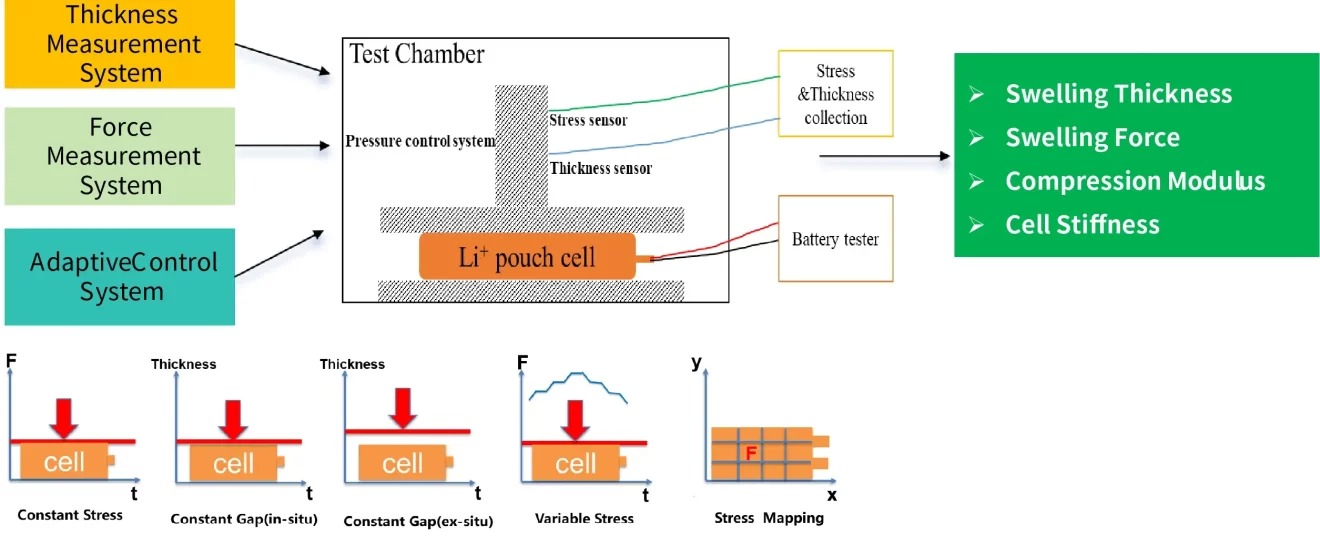
- Six Test Modes: Characterize the expansion behavior of the battery cell under different boundary conditions.
- The In-situ Swelling Analysis System Integrates: high-precision servo motor + adaptive lower-level control system + high-precision pressure sensor and thickness sensor
5. Applicable Samples

6. Applications
- Material evaluation
- Battery cell R&D
- Cell stiffness evaluation
- Swelling force distribution
- Module Simulation
- Lithium plating analysis
- Battery cell structure evaluation
- Operating condition evaluation.