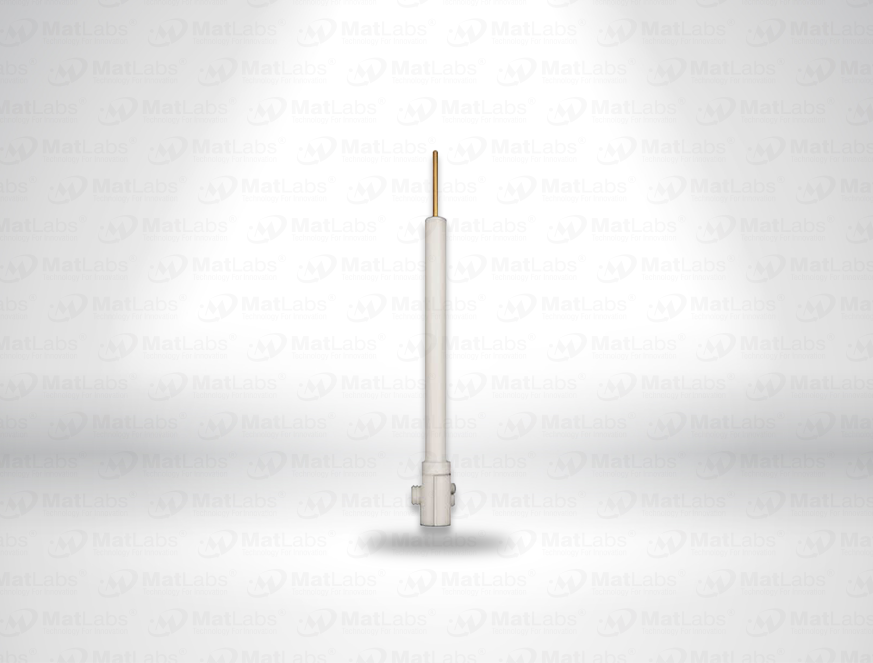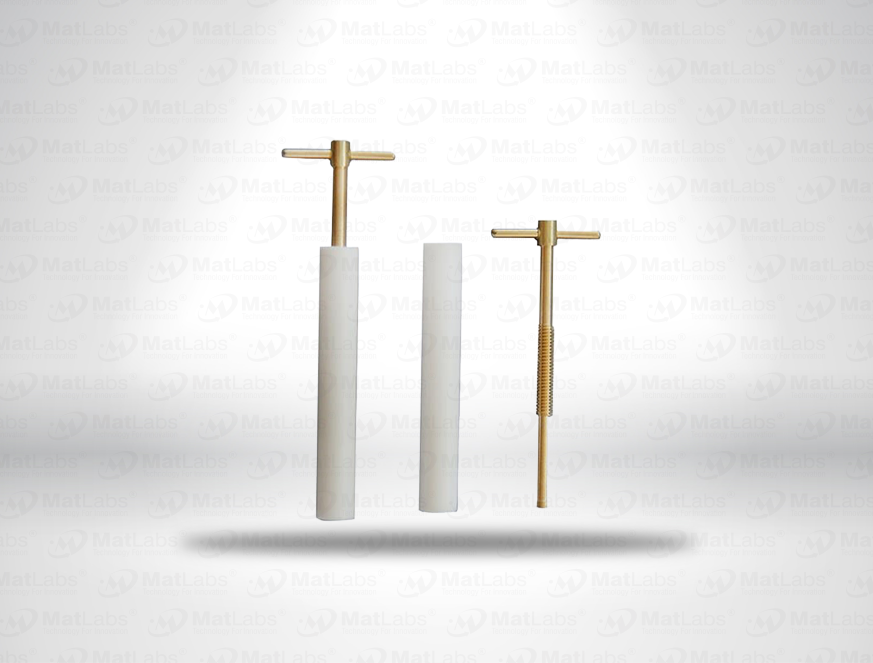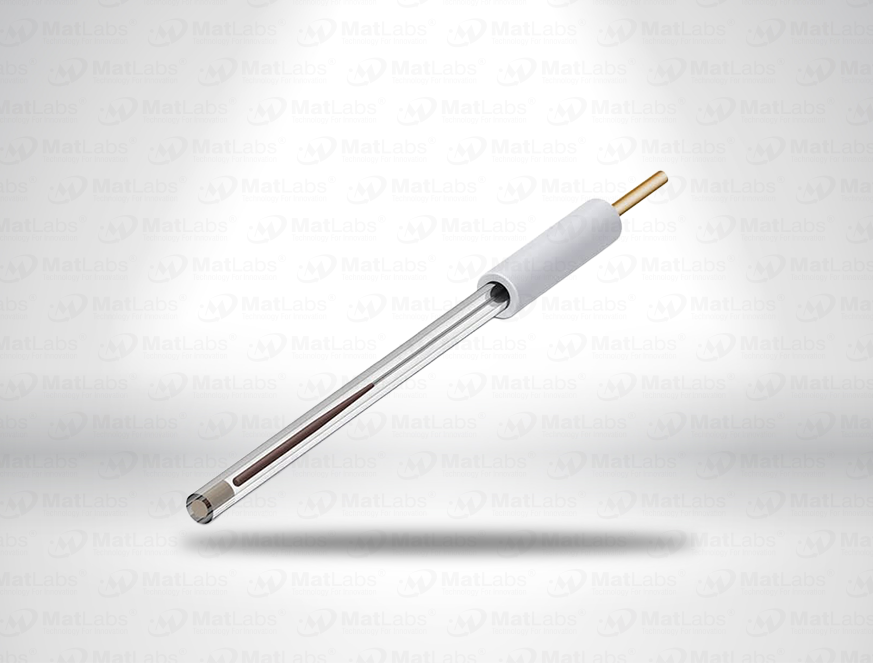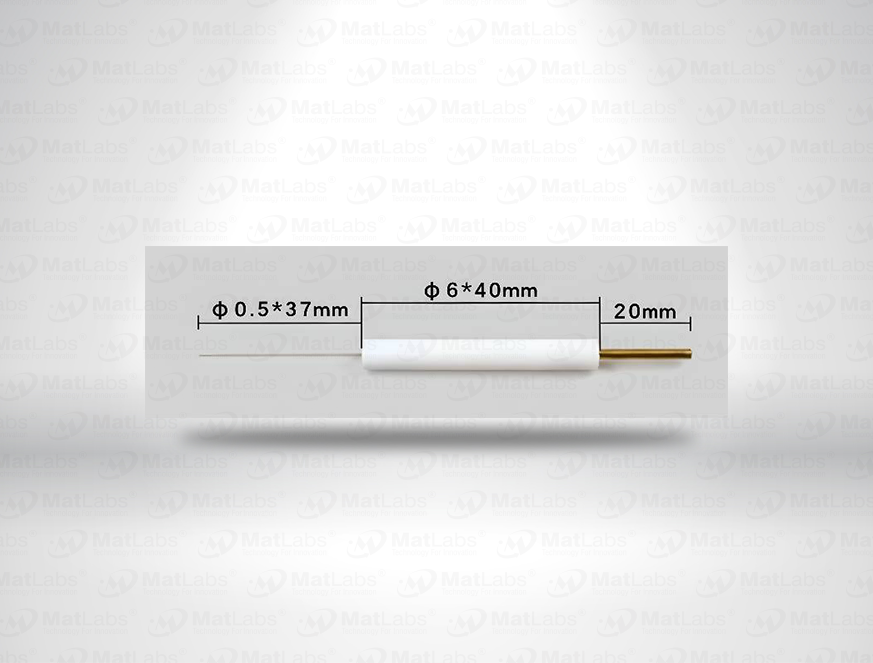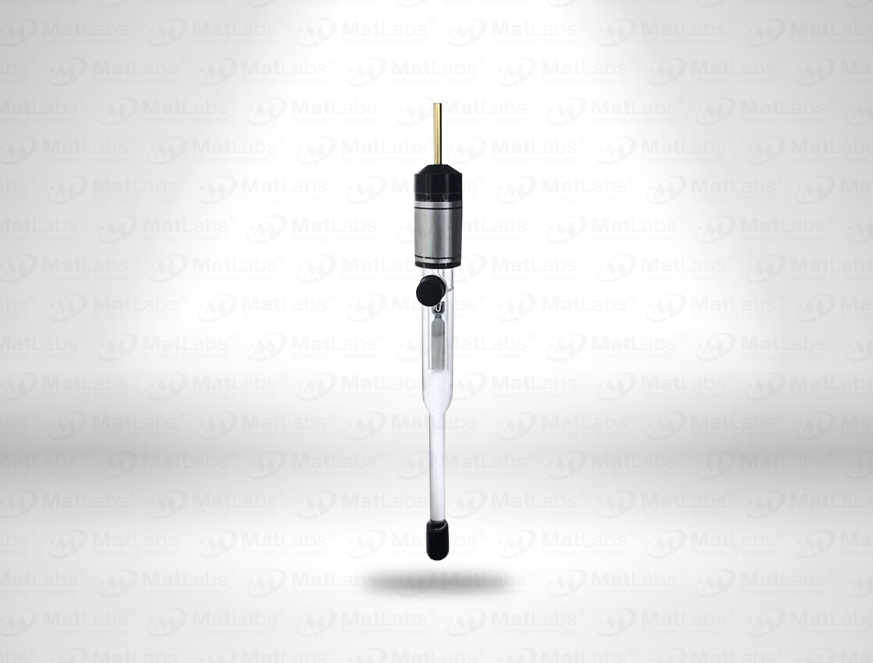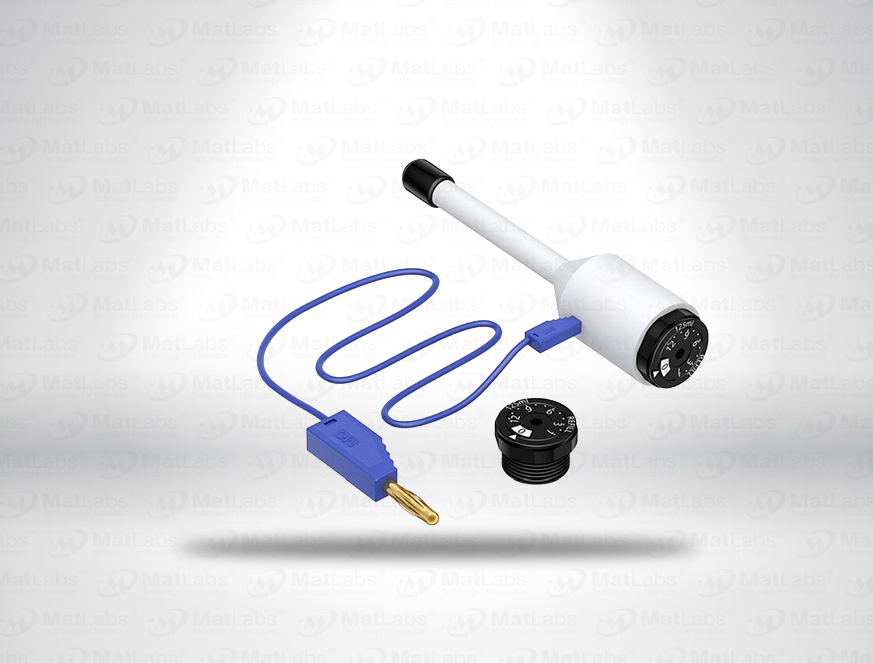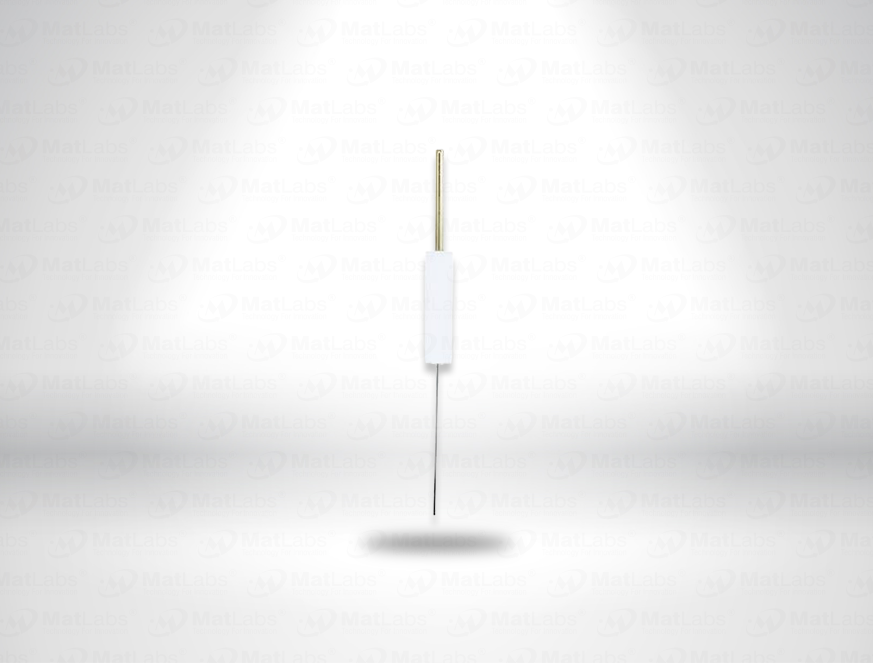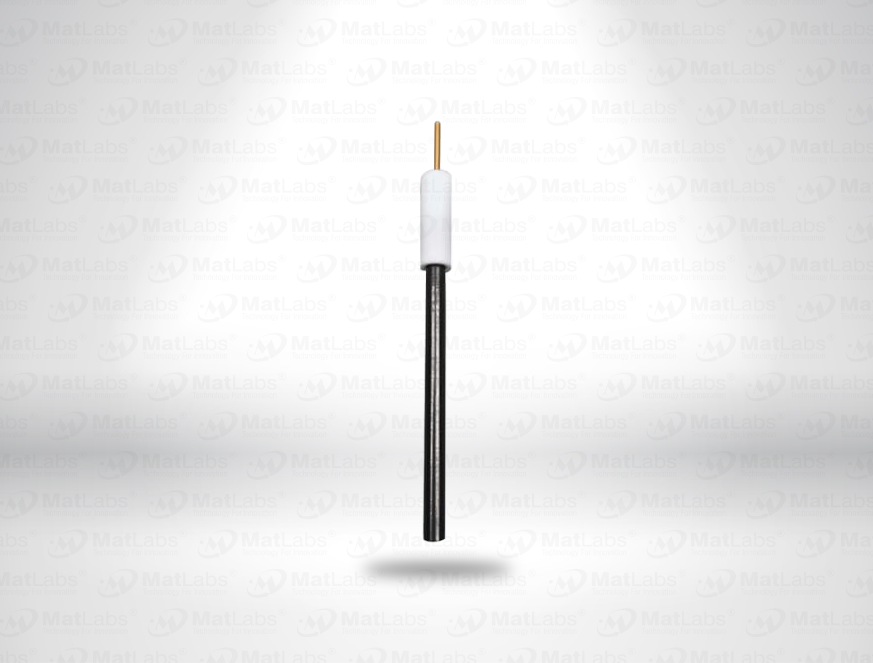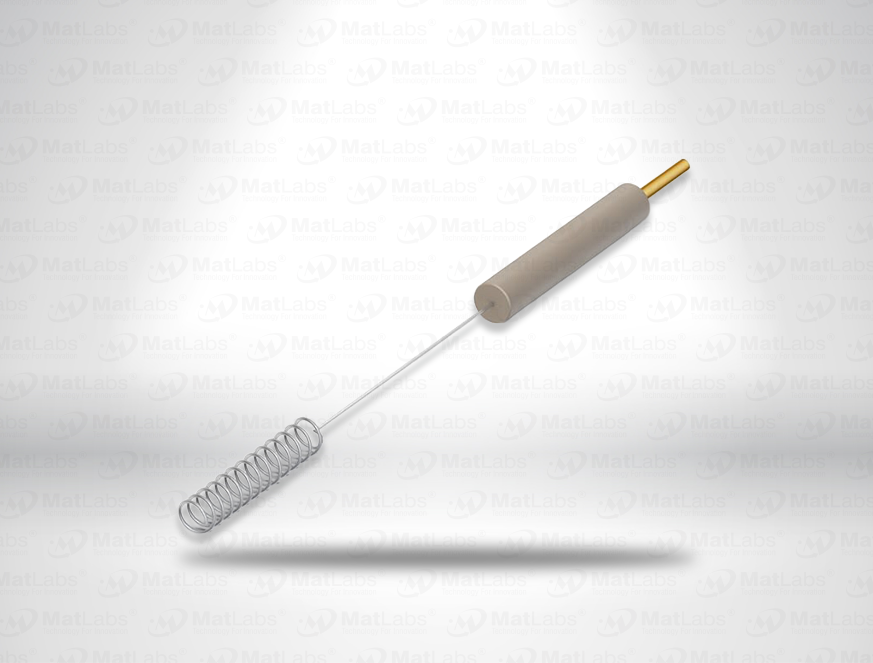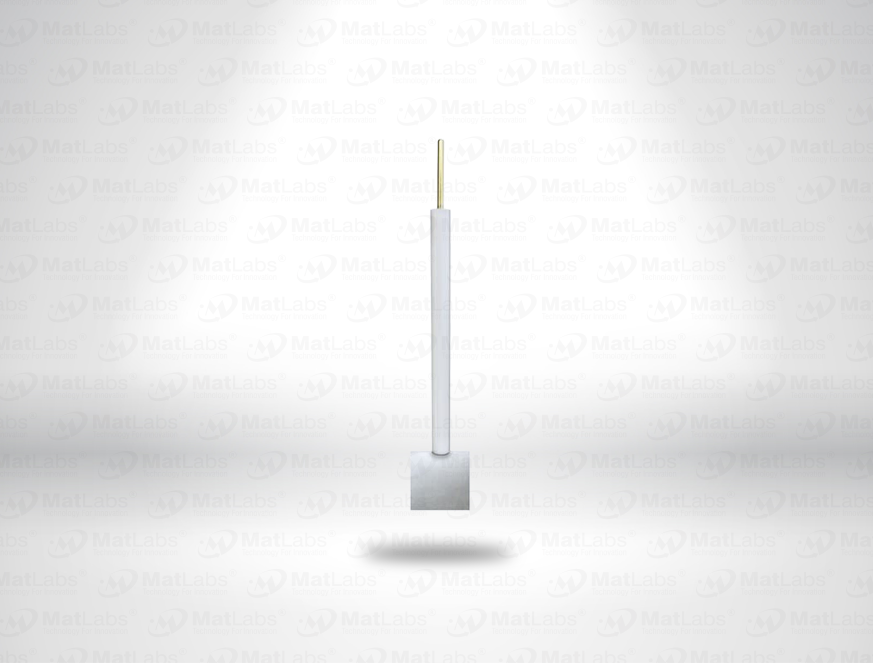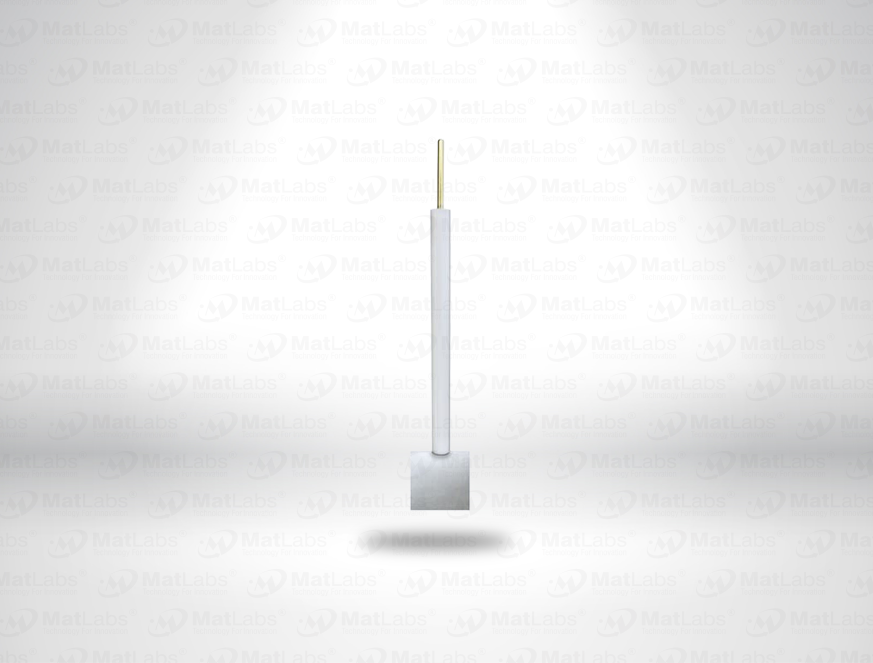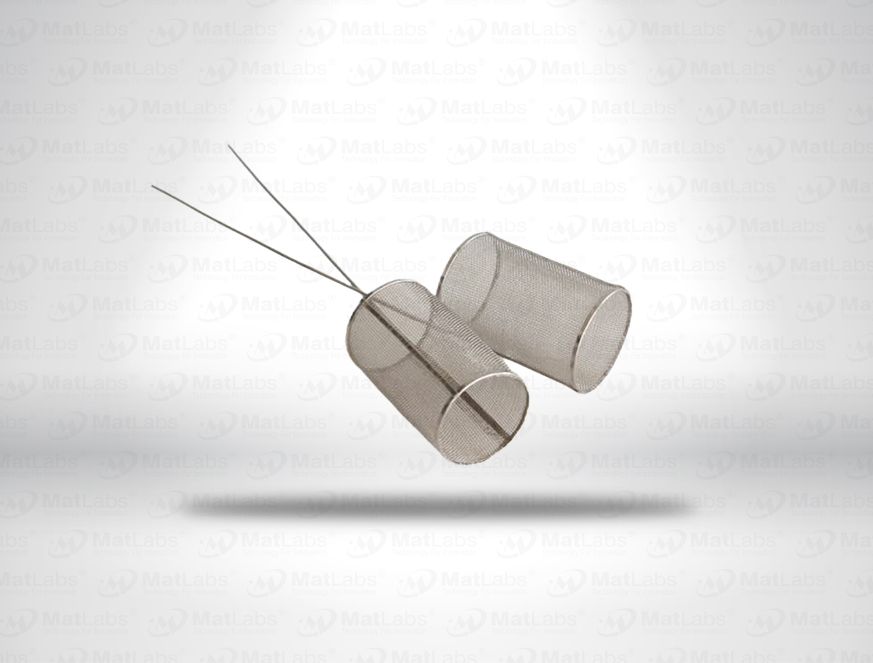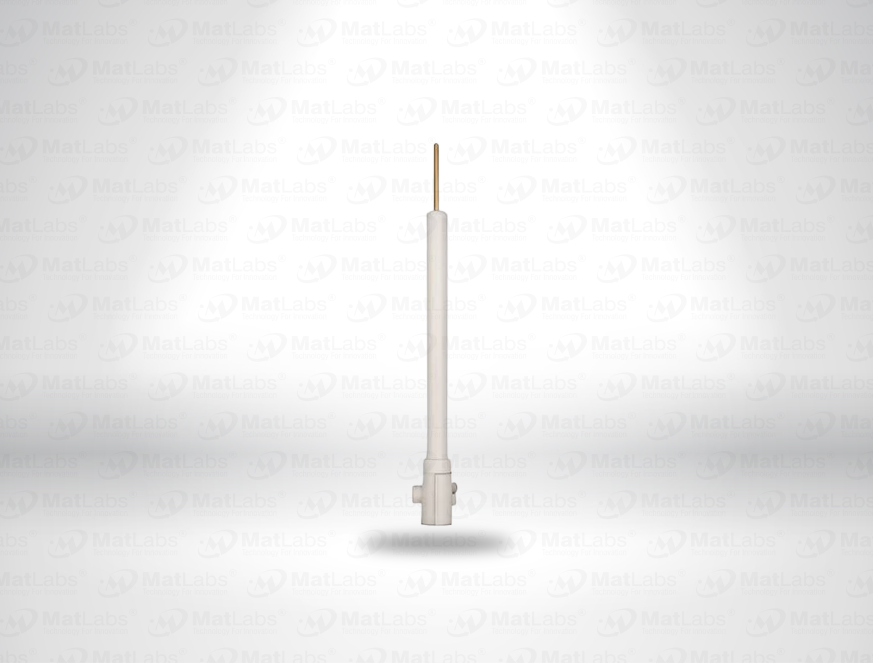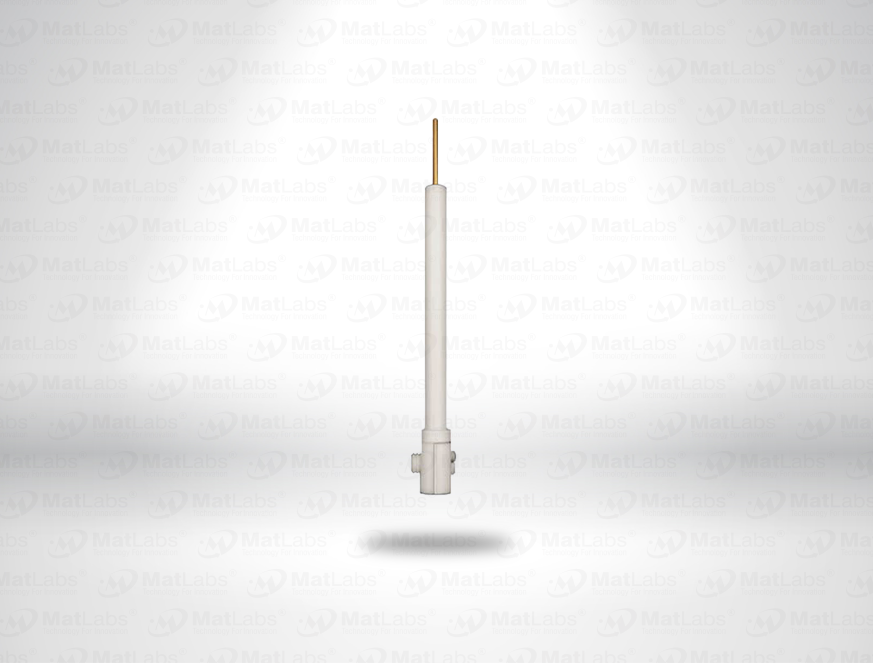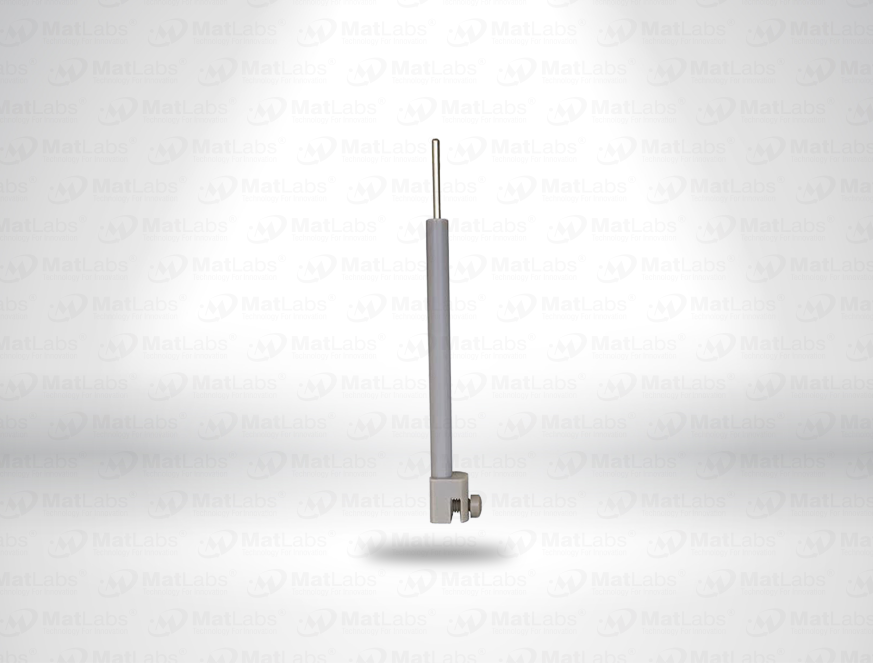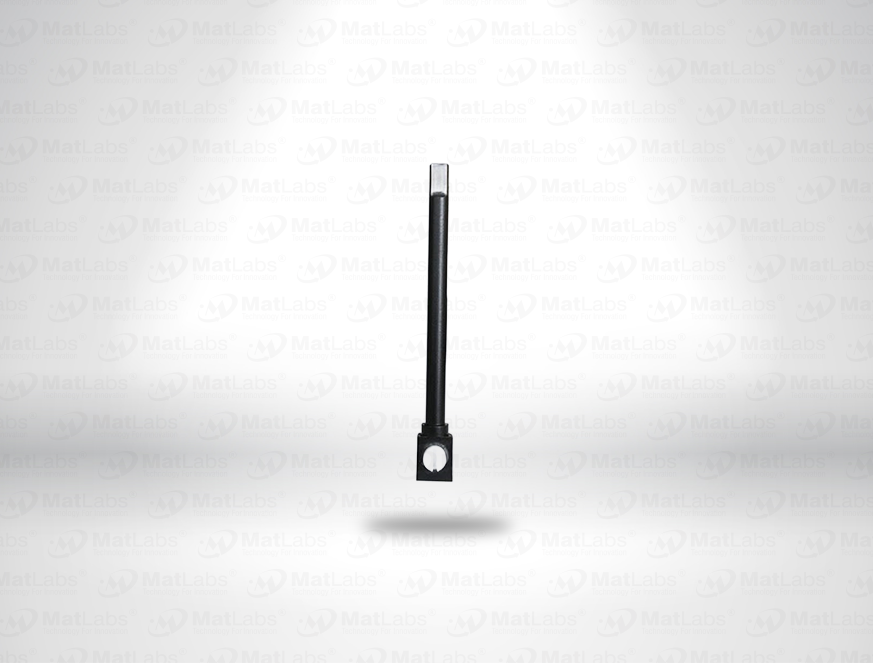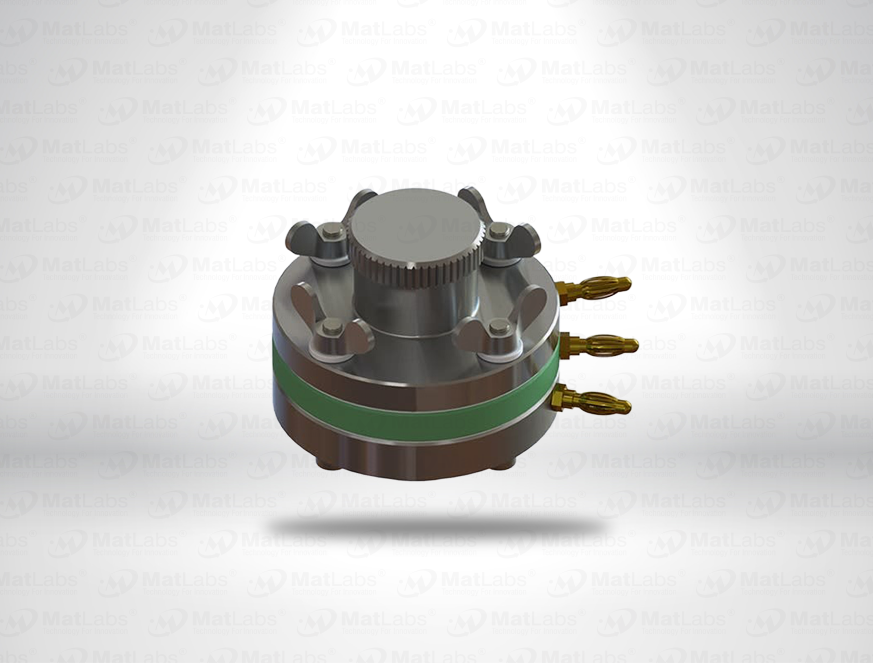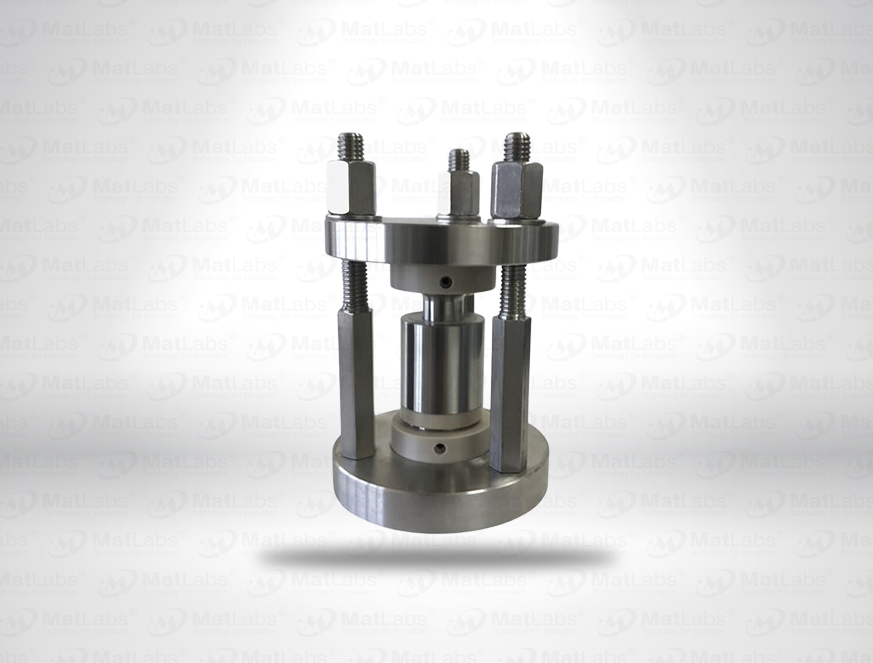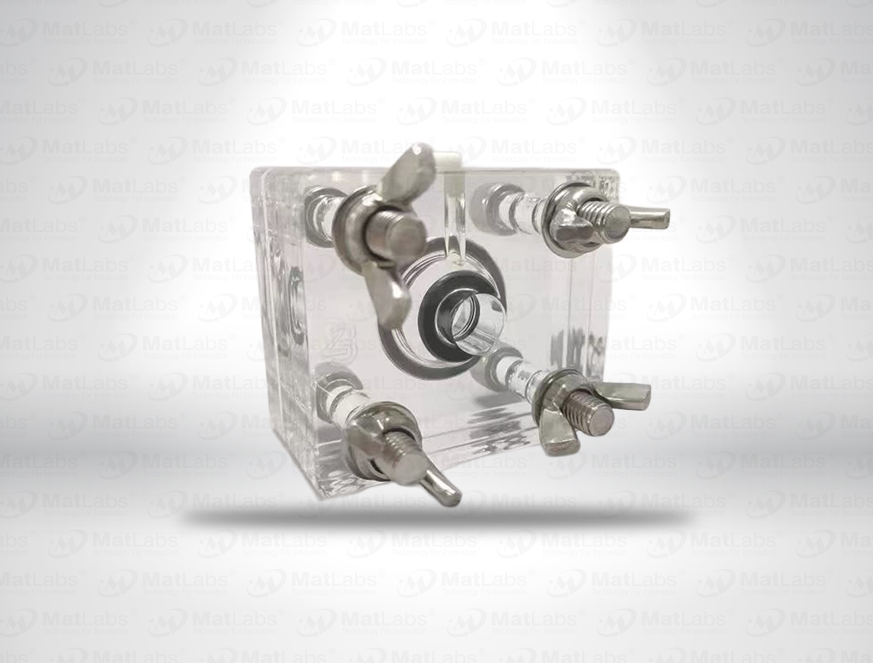
Glassy Carbon–Glassy Carbon Rotating Ring-Disk Electrode (GC–GC RRDE)
GC–GC Rotating Ring-Disk Electrode (RRDE)
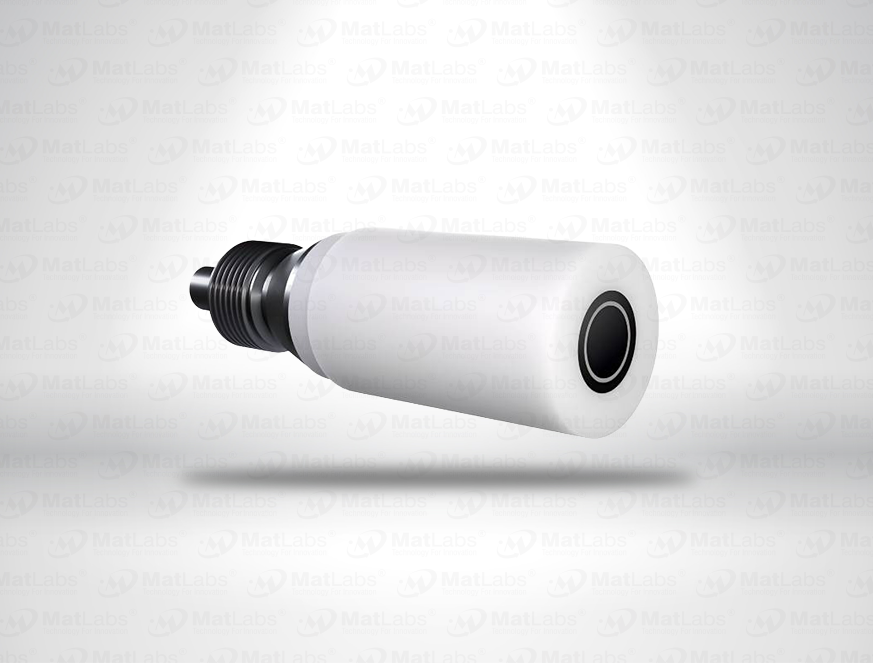

Overview
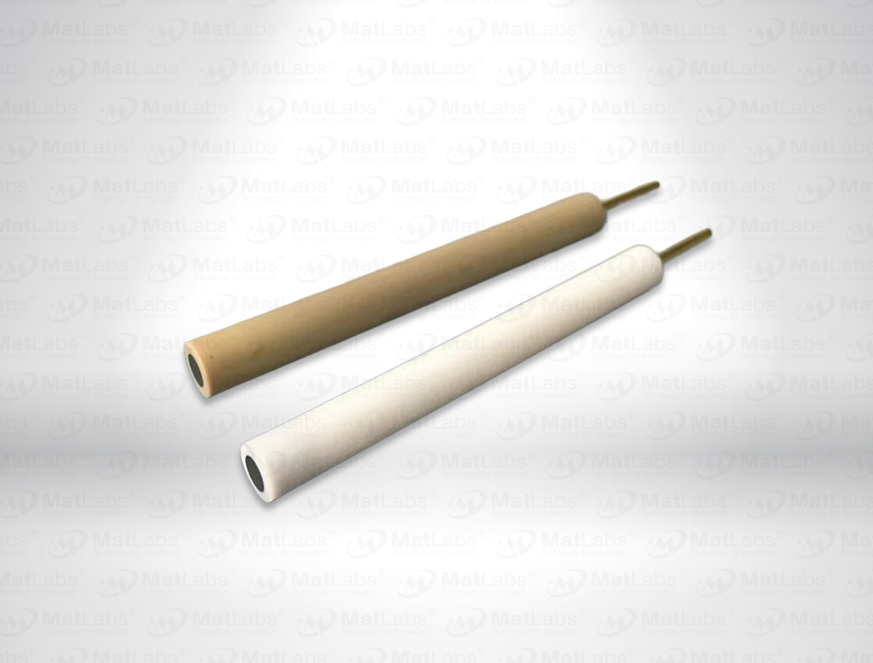
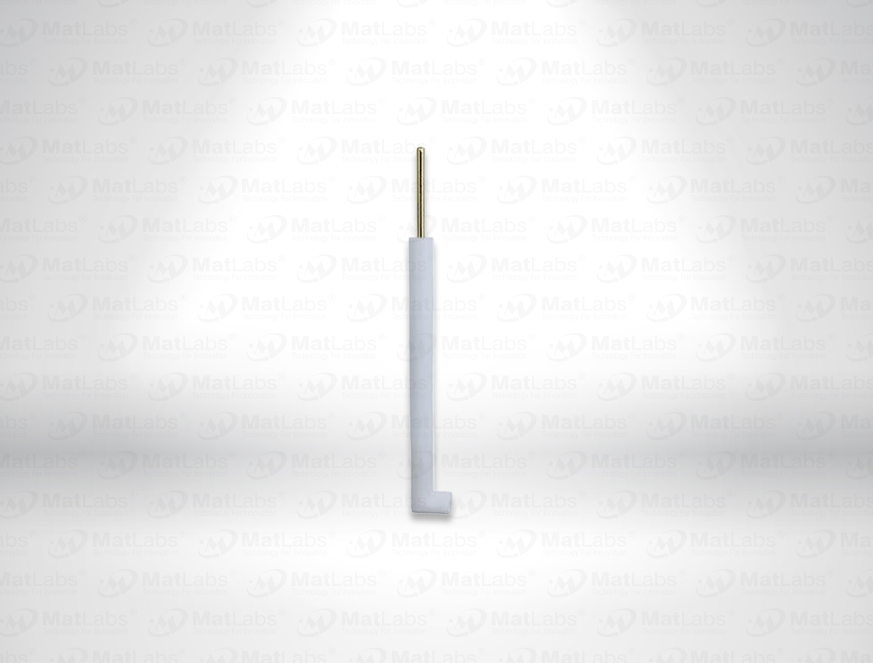
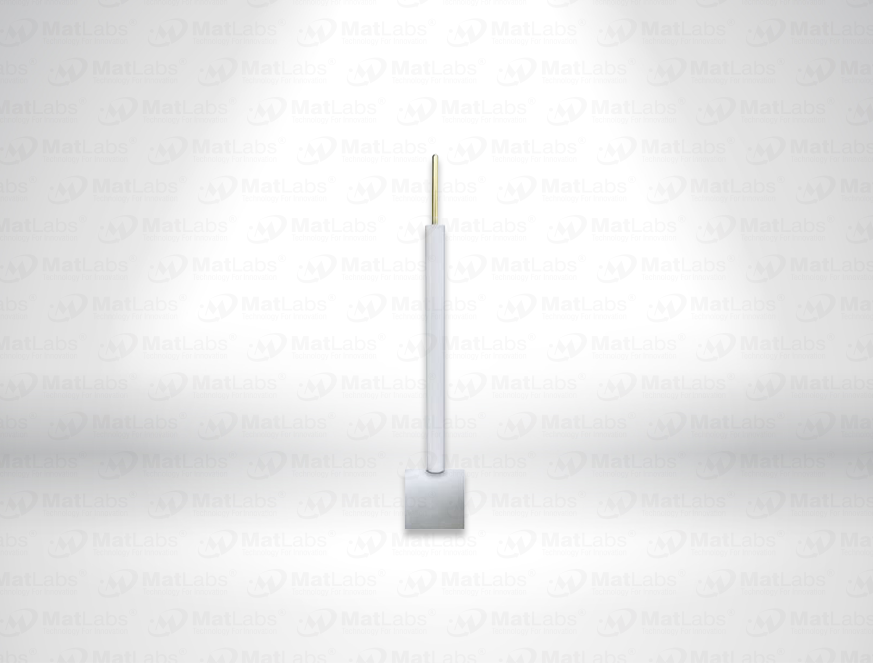
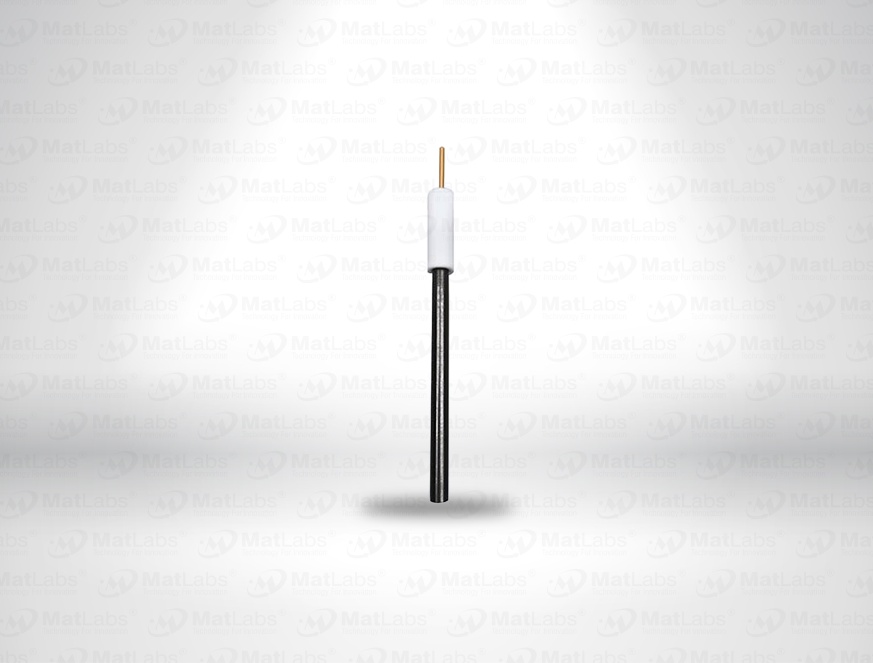
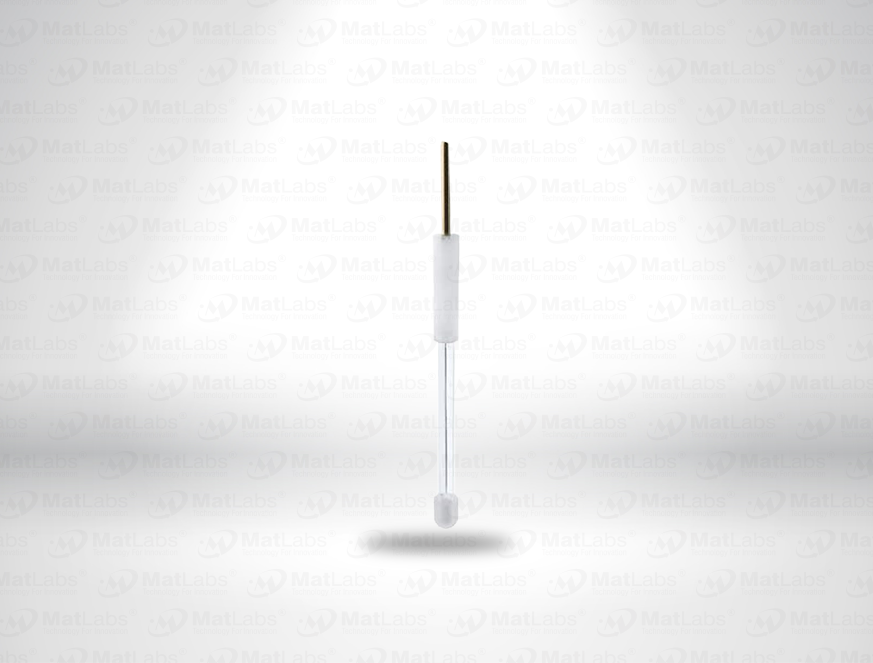
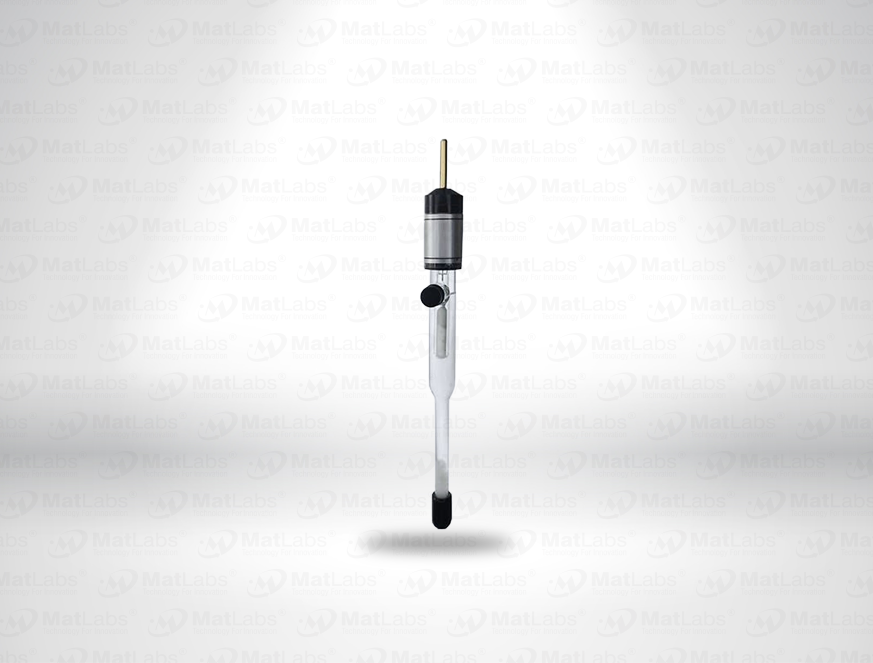
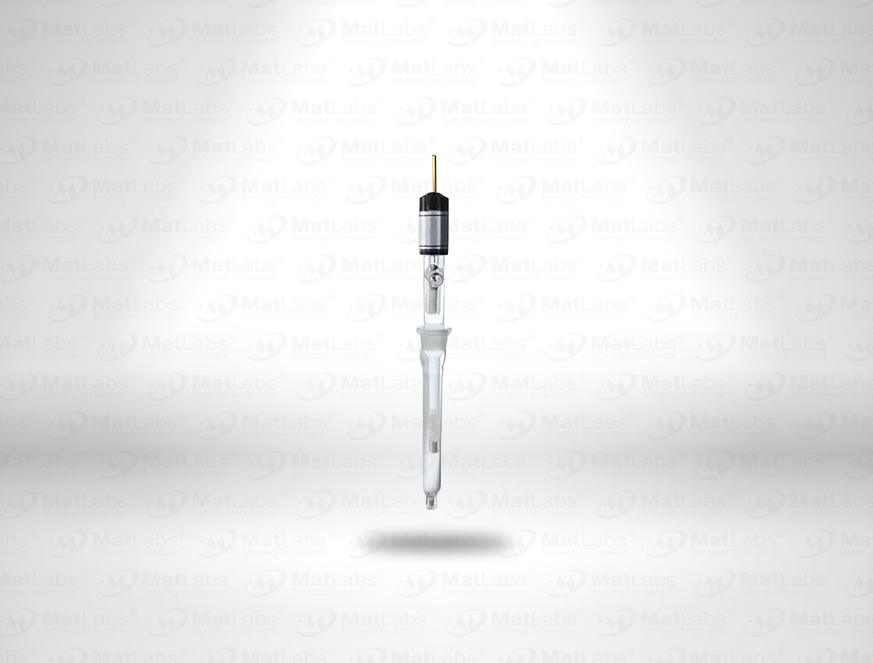
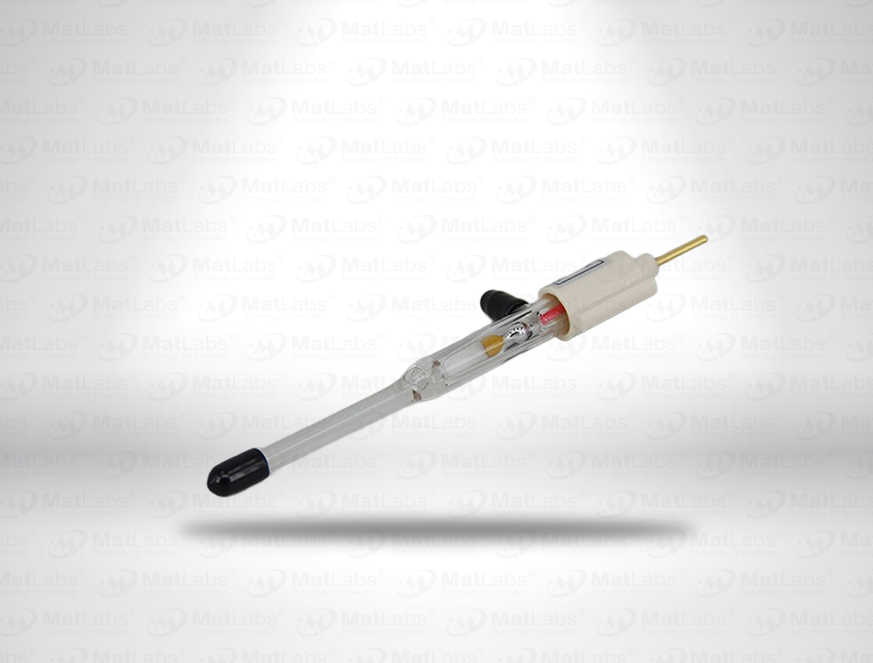
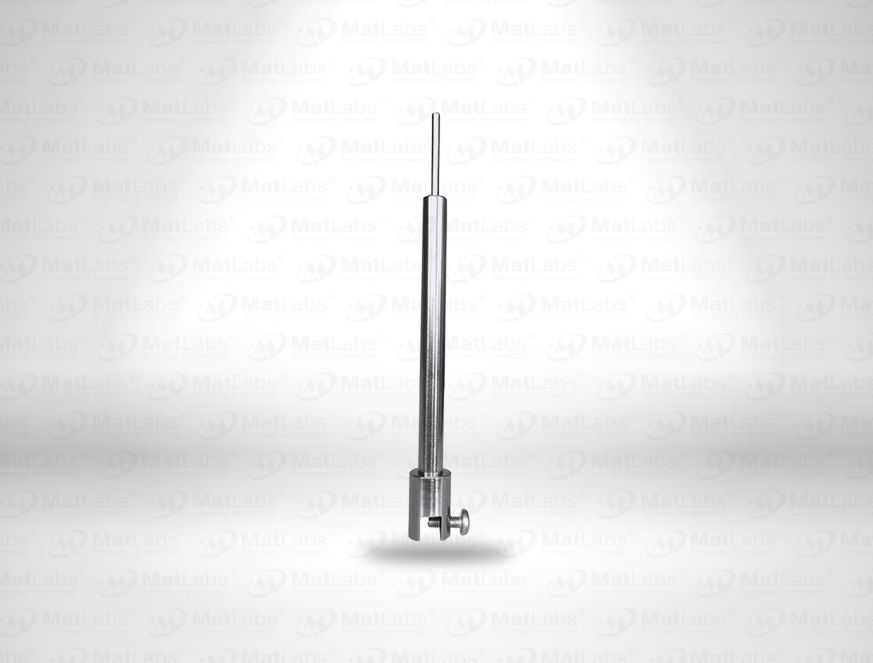
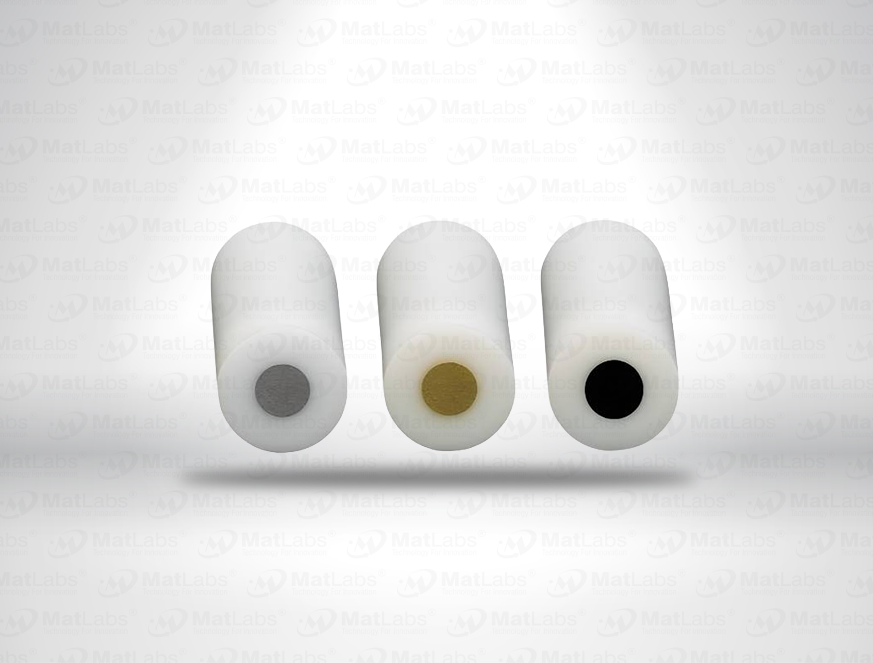
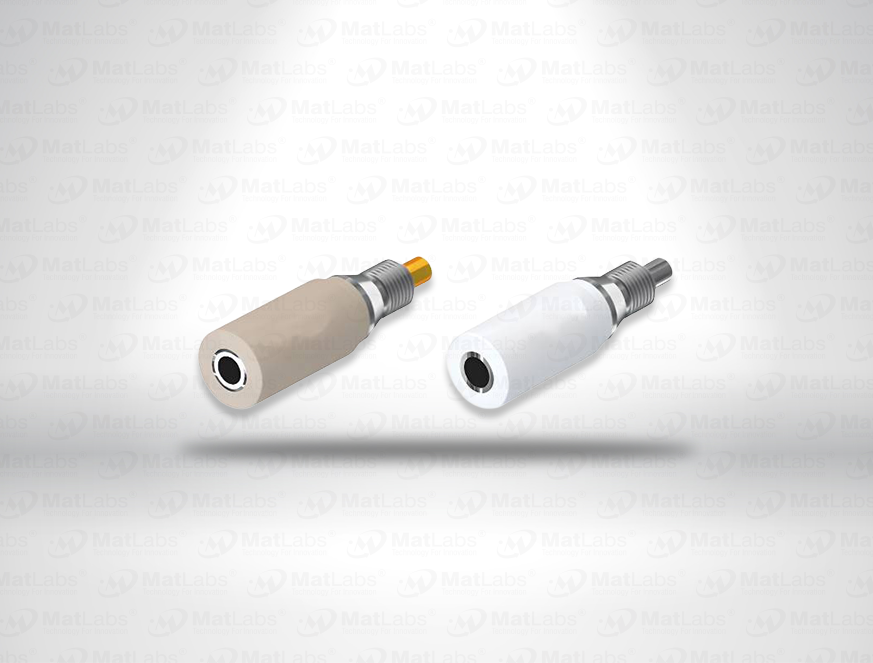
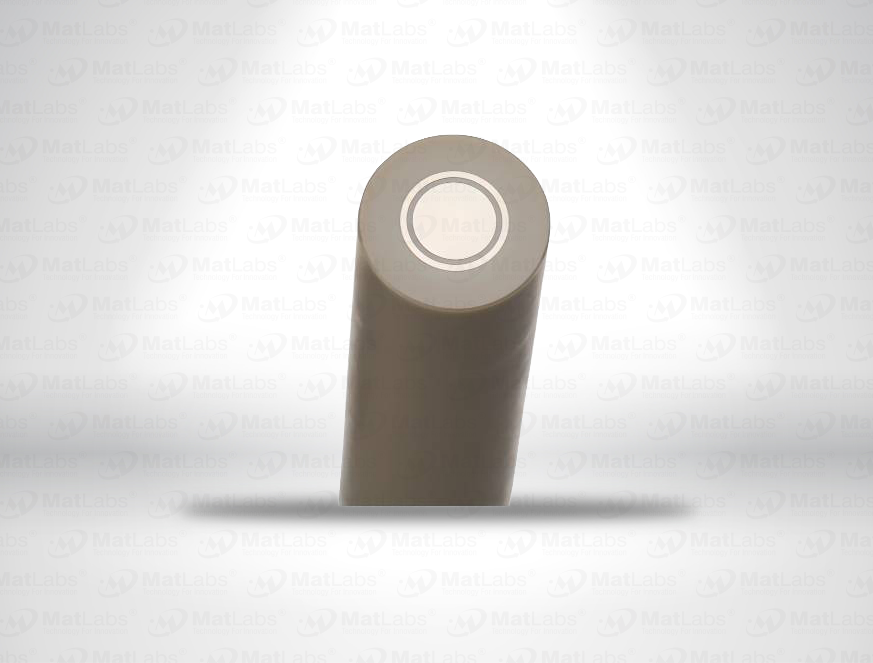
The Glassy Carbon–Glassy Carbon Rotating Ring-Disk Electrode (GC–GC RRDE) from Matlabs offers a fully inert and symmetric configuration ideal for mechanistic electrochemical studies free from metallic catalysis. Both the disk and ring are composed of high-purity glassy carbon, providing exceptional chemical stability, low background current, and wide potential range operation in aqueous and non-aqueous systems.
Principle of Operation
In an RRDE setup, the disk electrode generates reactive intermediates while the ring collects or quantifies them as they are transported by controlled hydrodynamic flow. The GC–GC pairing ensures identical surface characteristics on both electrodes, enabling precise evaluation of diffusion coefficients, redox kinetics, and coupled chemical reactions. This symmetry is particularly valuable in studies where non-catalytic baseline responses are essential.
Key Specifications
- Disk Material: High-purity glassy carbon (5 mm standard)
- Ring Material: Glassy carbon with concentric alignment
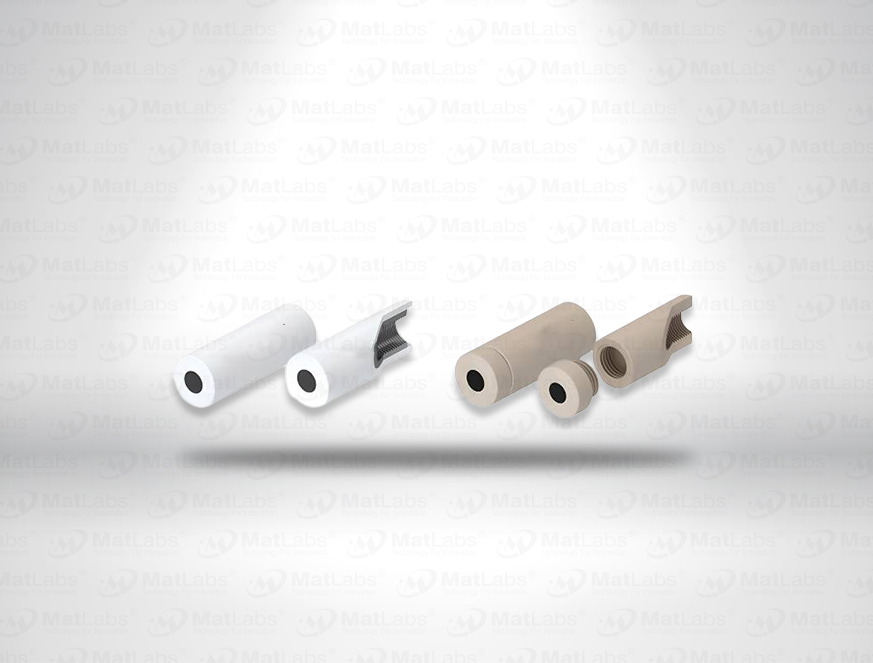
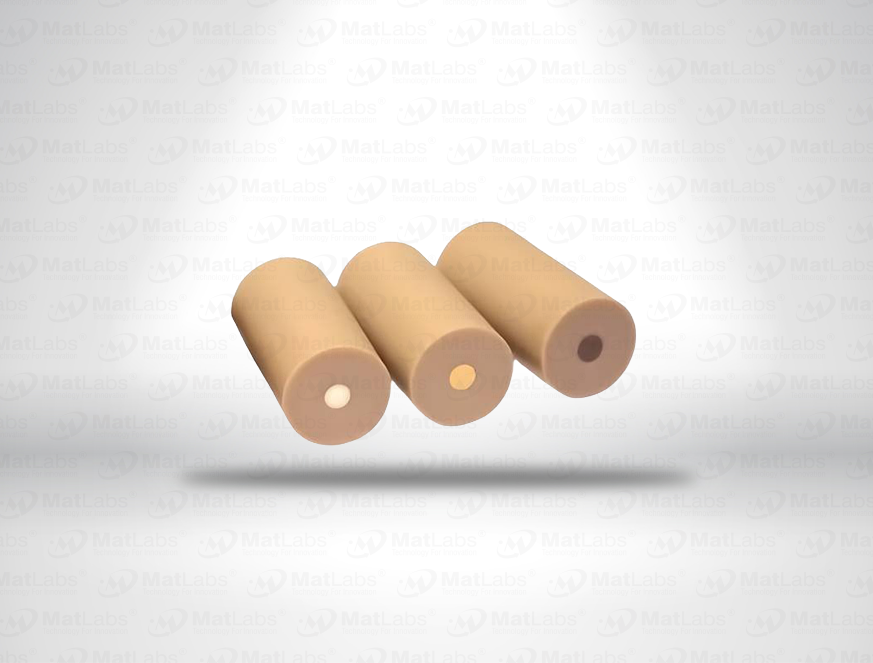
- Body Material: PTFE or PEEK for chemical and thermal stability
- Electrical Contacts: Dual gold-plated independent connectors
- Typical Collection Efficiency: ~37% (adjustable upon request)
Applications
Ideal for:
- Electrocatalyst screening and reference studies
- Redox mediator and multi-electron transfer analysis
- Battery electrode testing and kinetic evaluation
- Corrosion and passivation behaviour studies
Why Choose Matlabs
Each GC–GC RRDE electrode from Matlabs is precision-machined to maintain excellent ring-disk concentricity and stable rotational symmetry. Custom diameters, collection efficiencies, and body materials are available to suit diverse research needs.
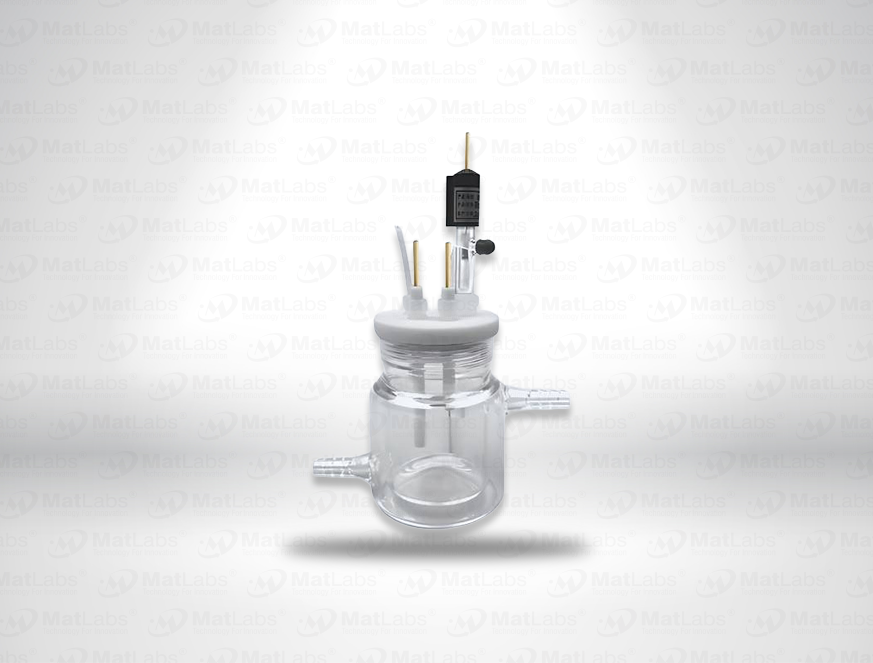
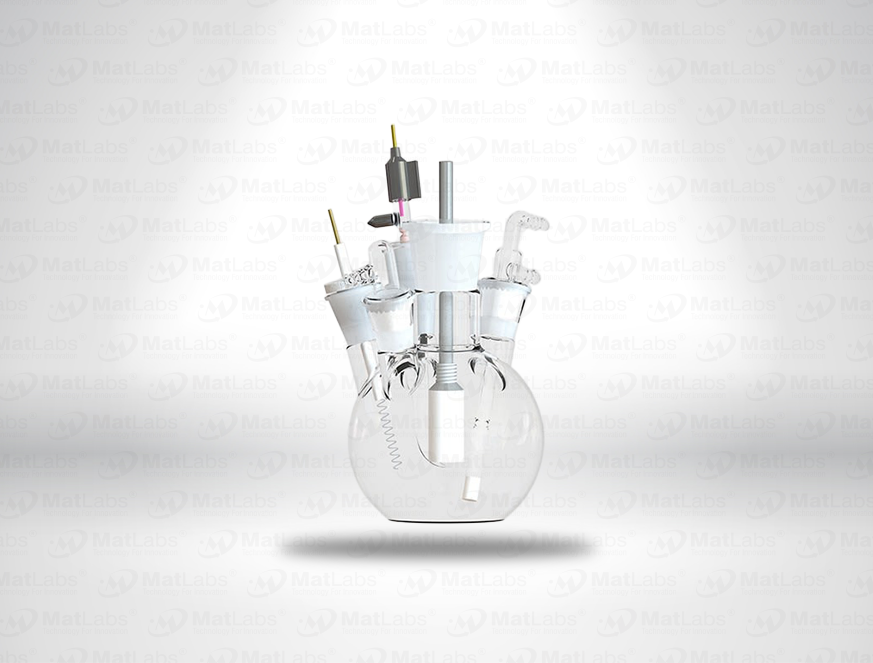
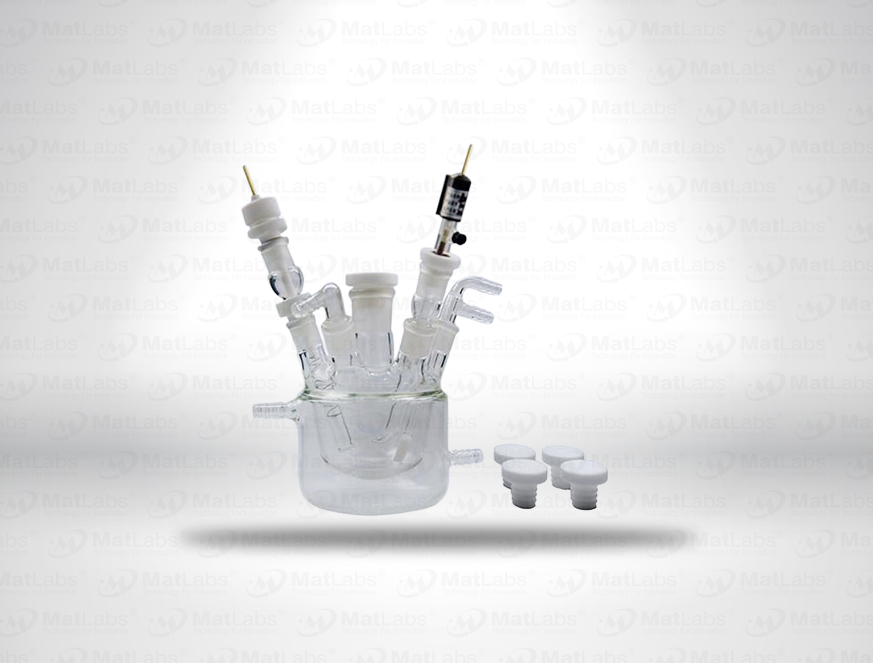
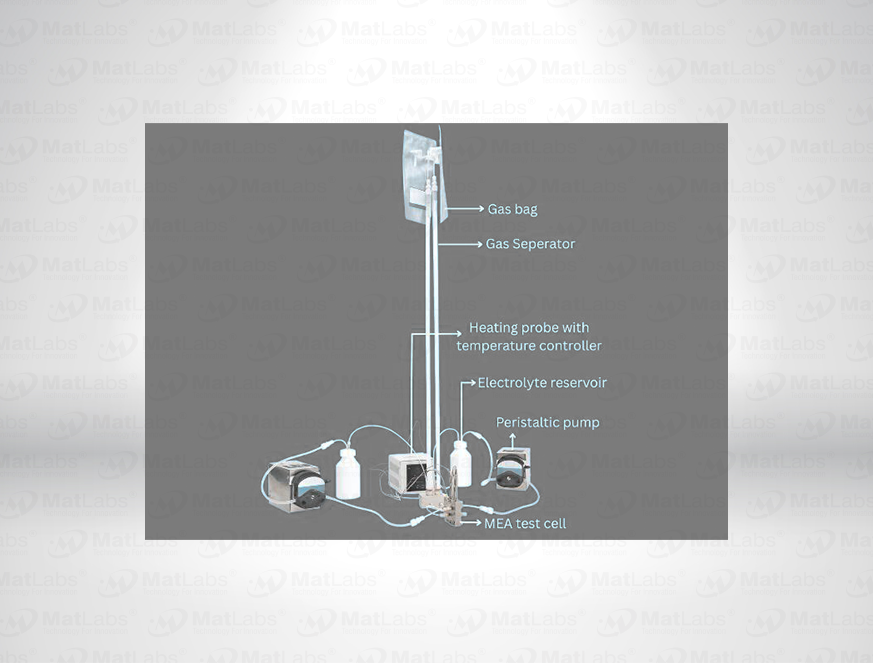
matlabs also offers compatible RRDE rotators, potentiostats, and corrosion cells for a complete experimental setup.