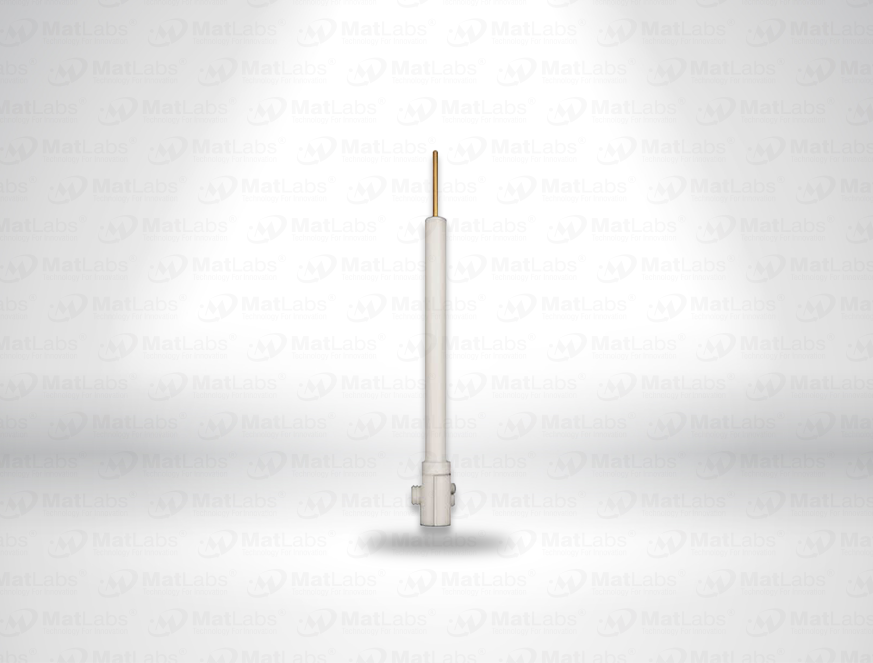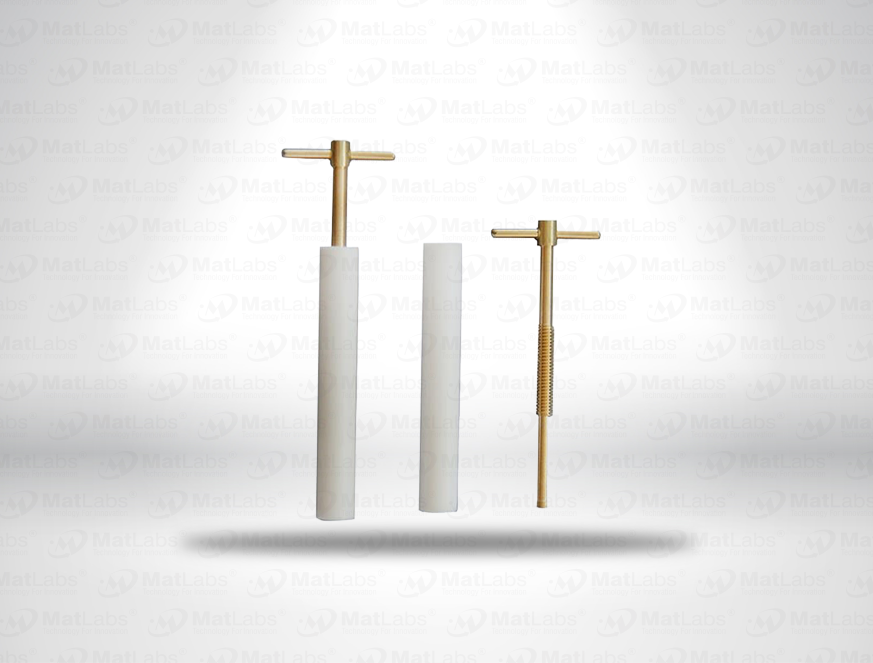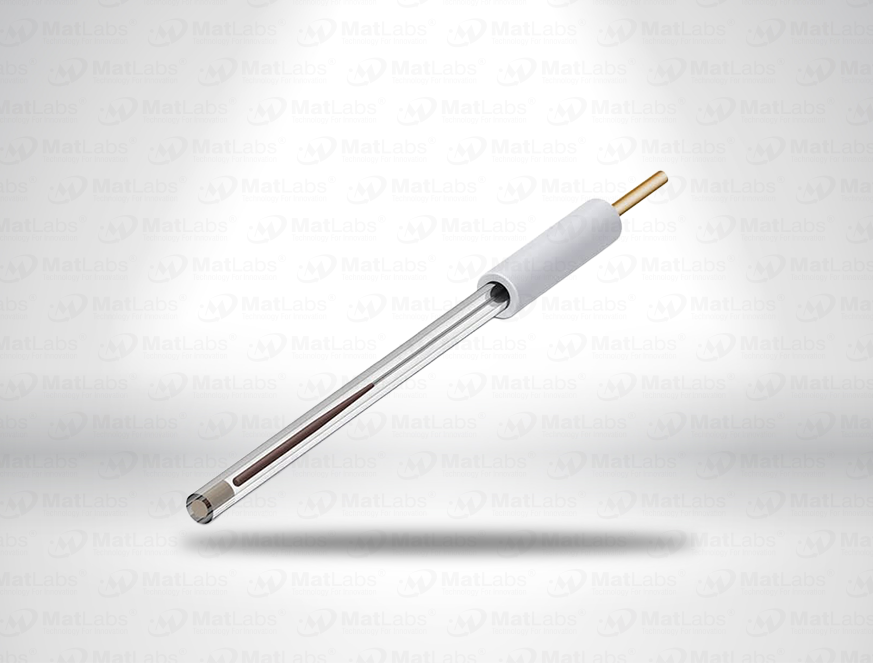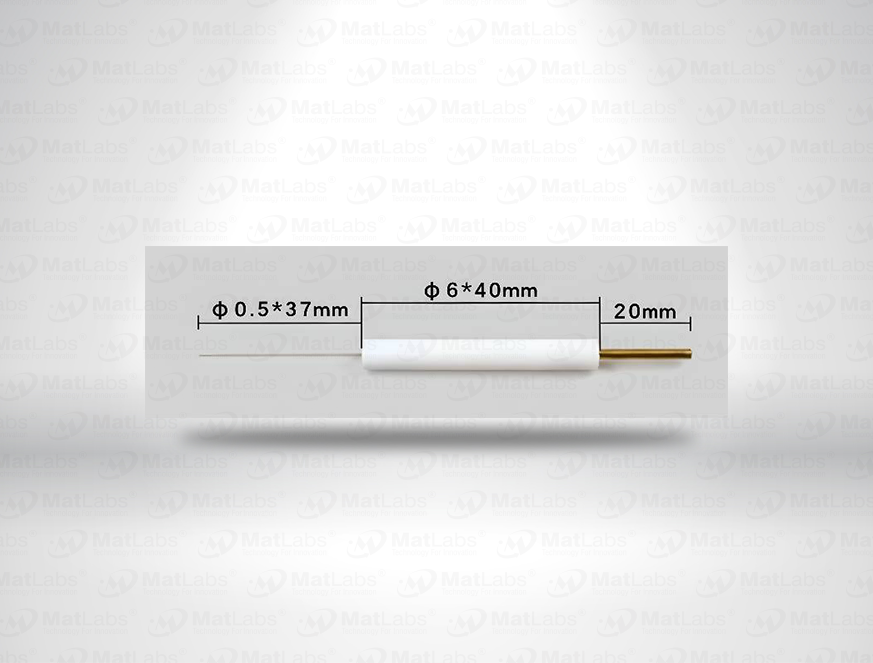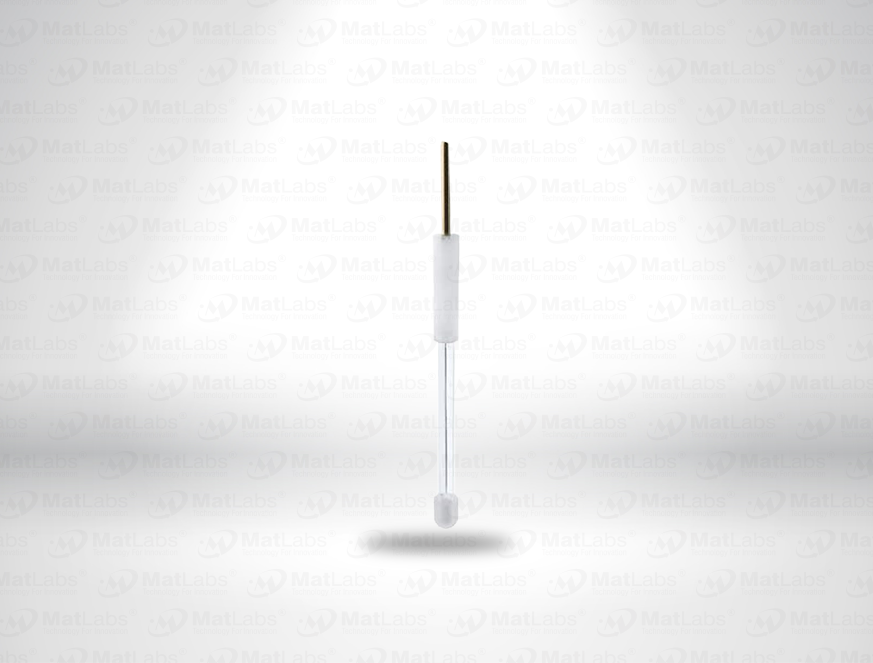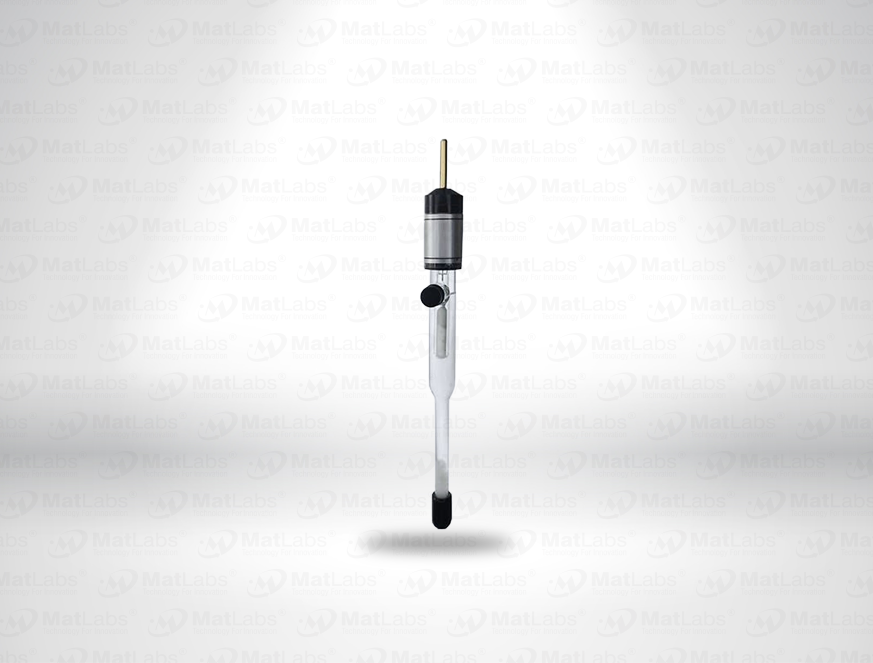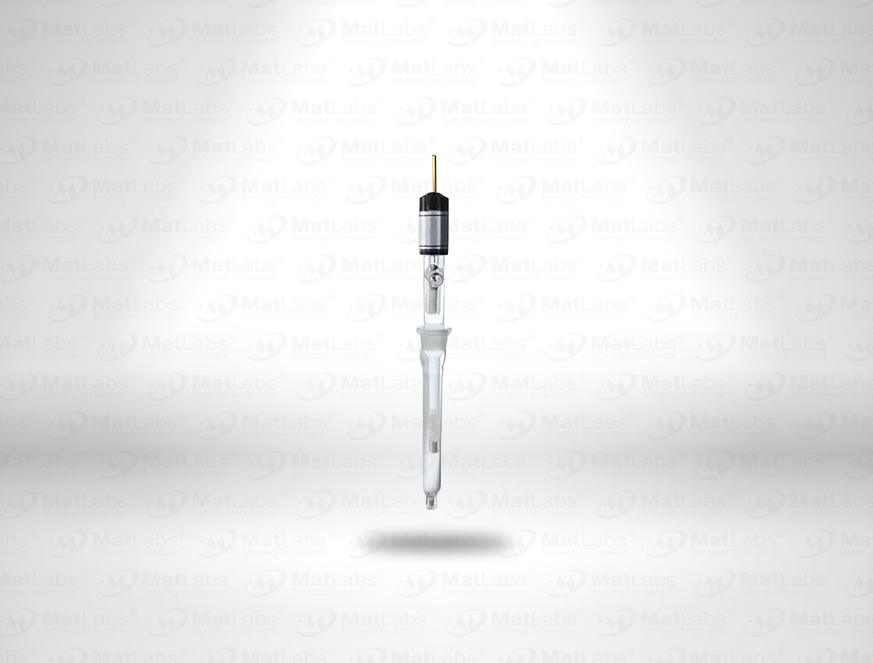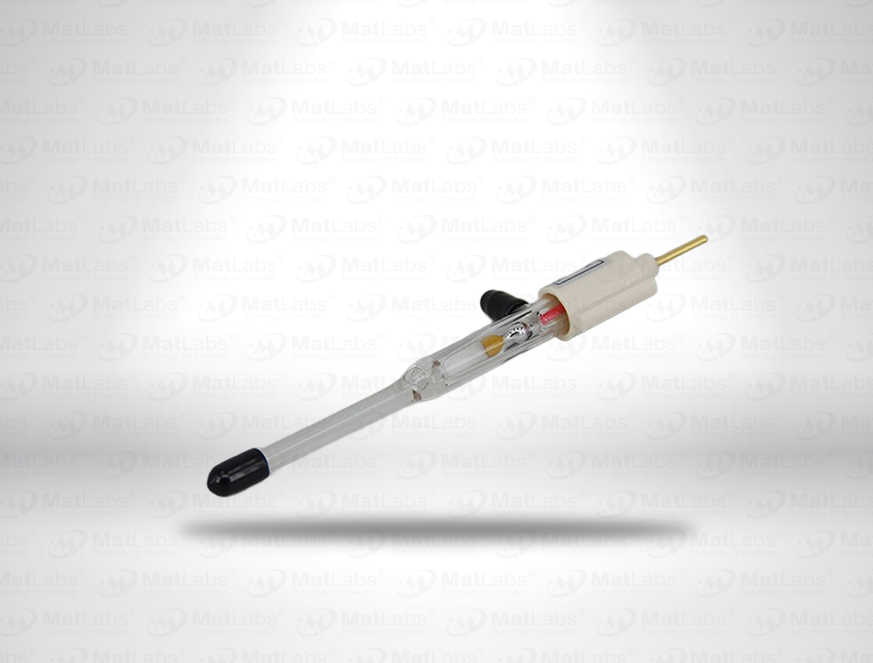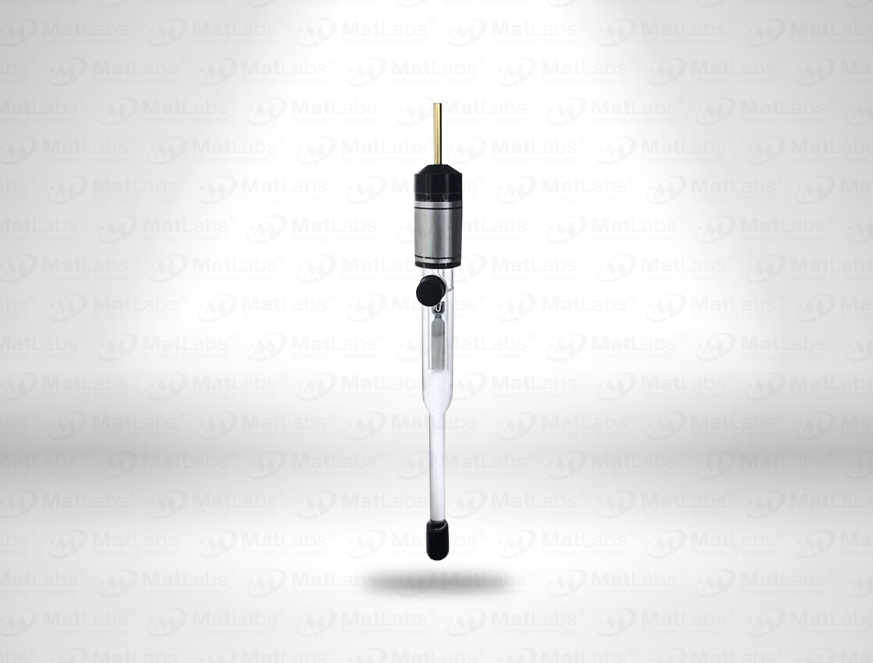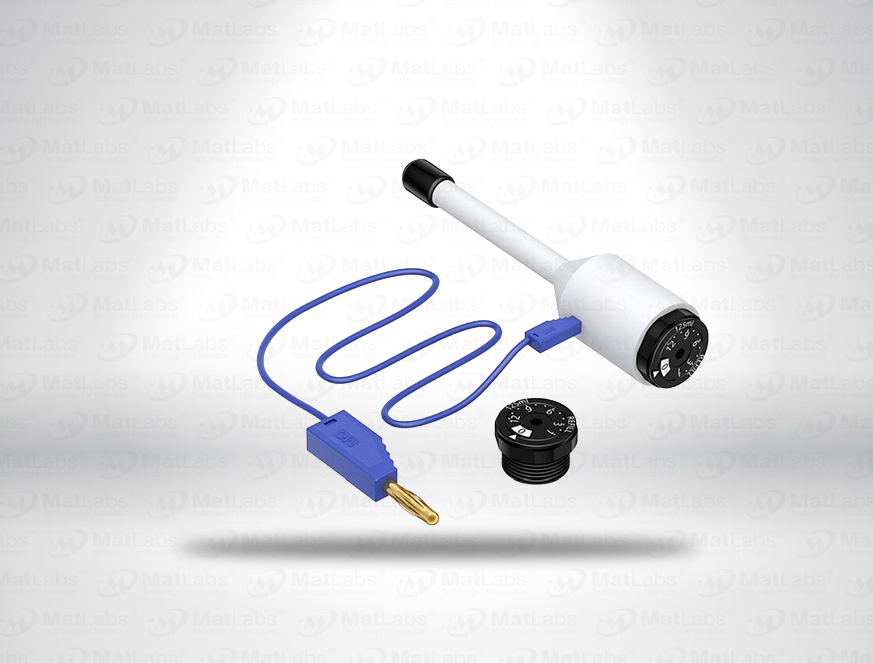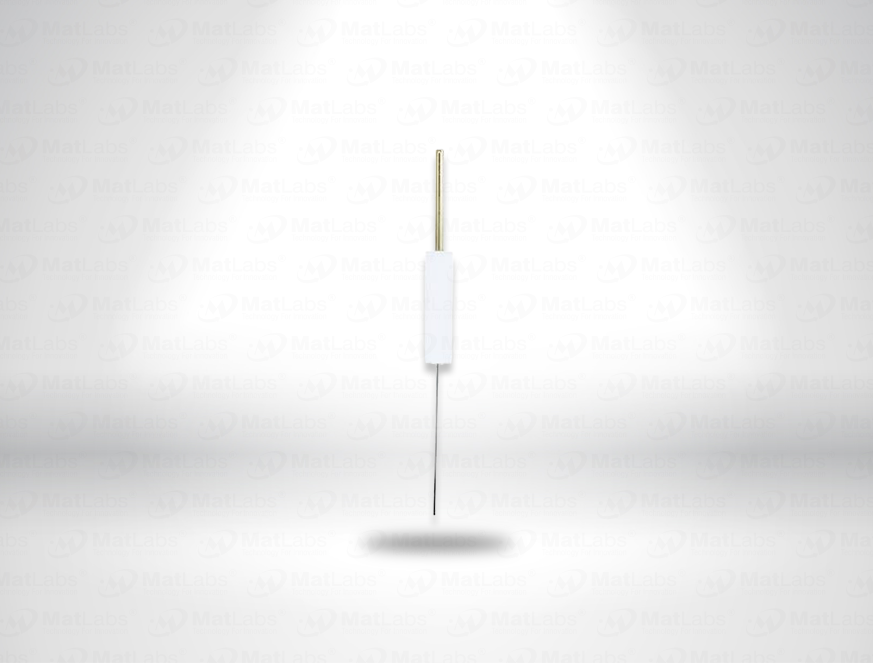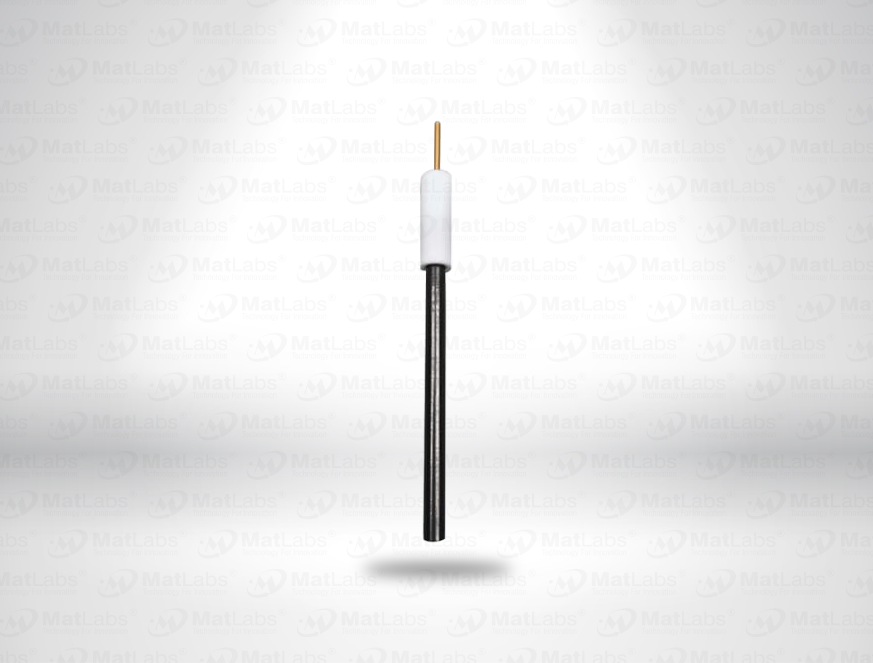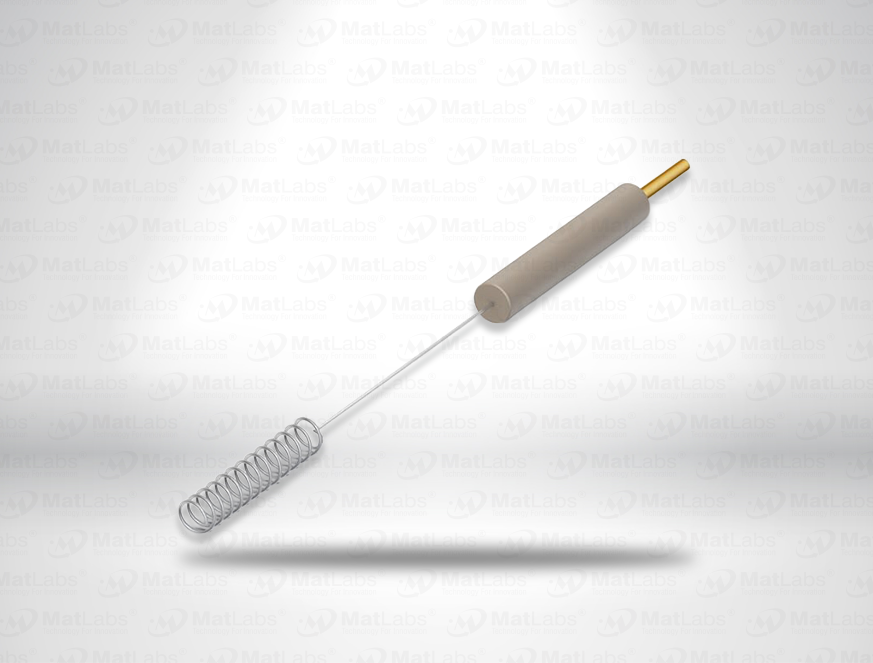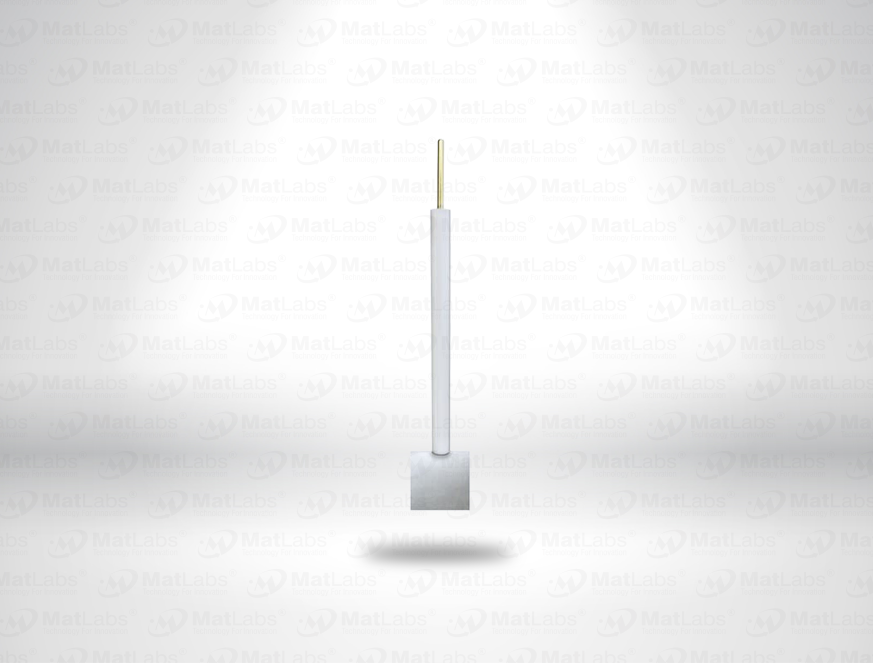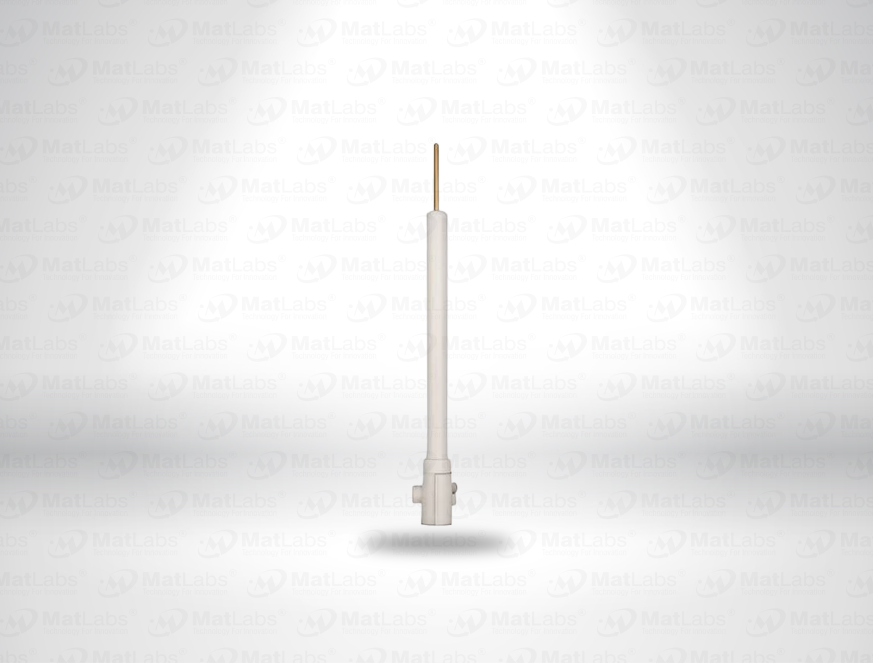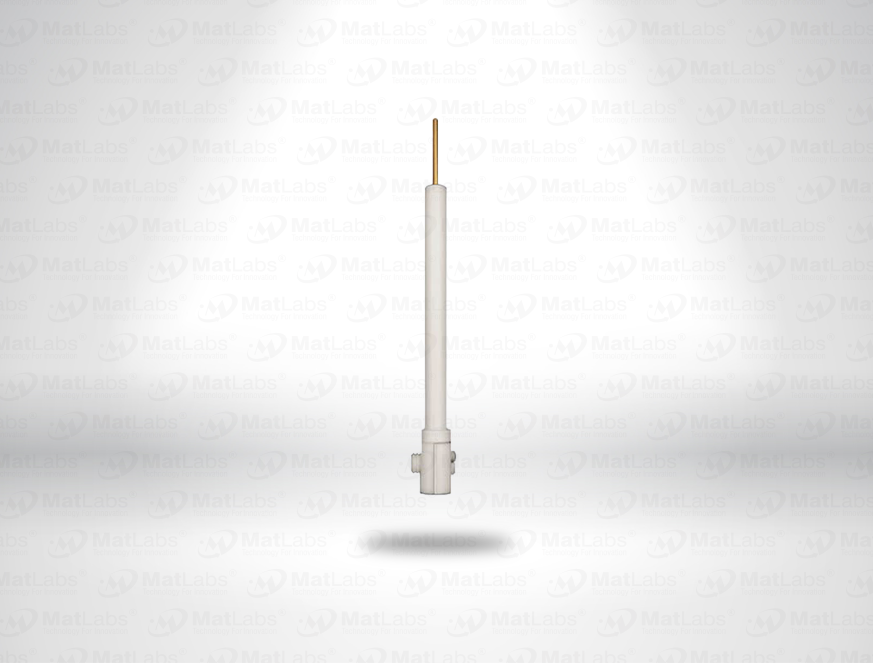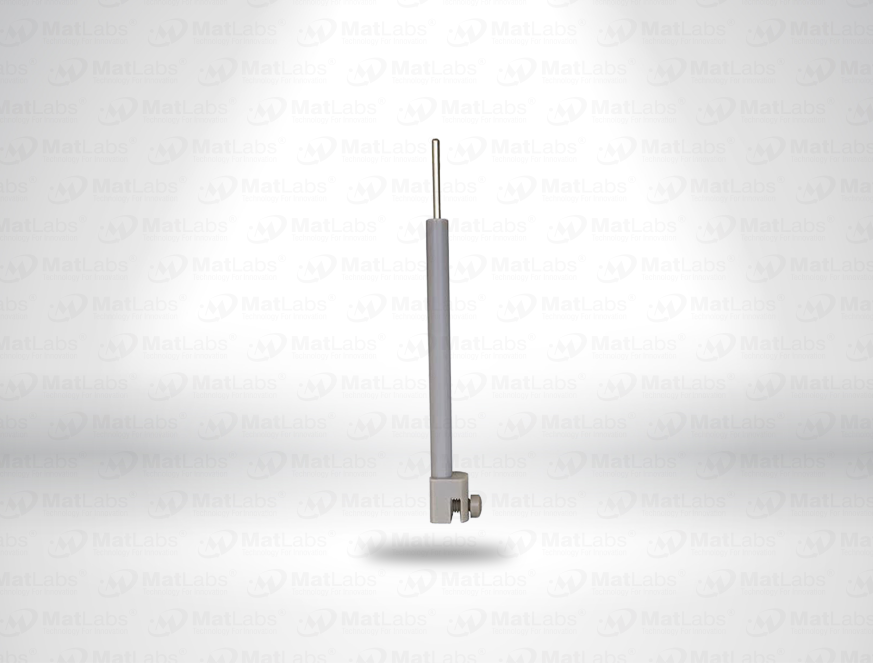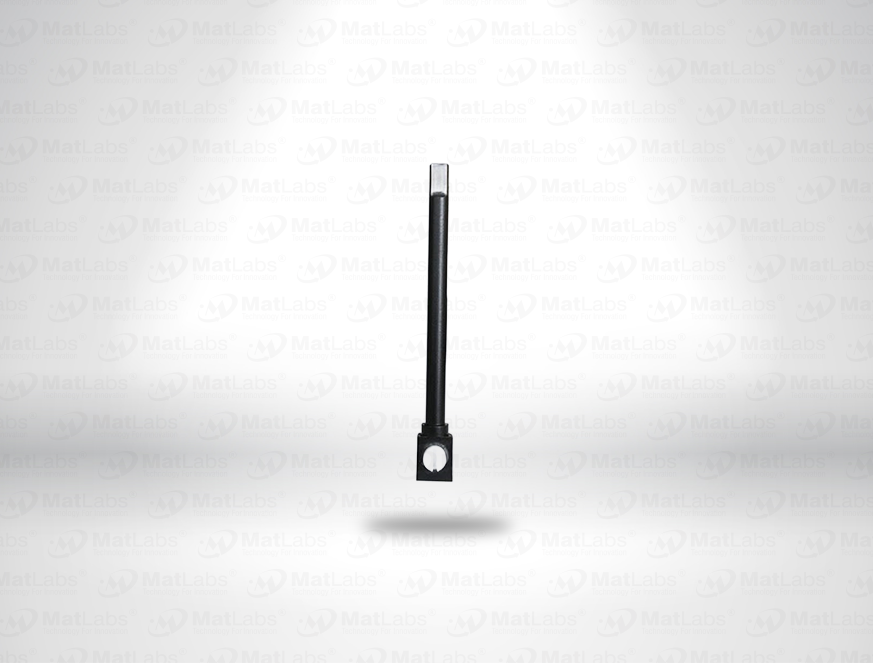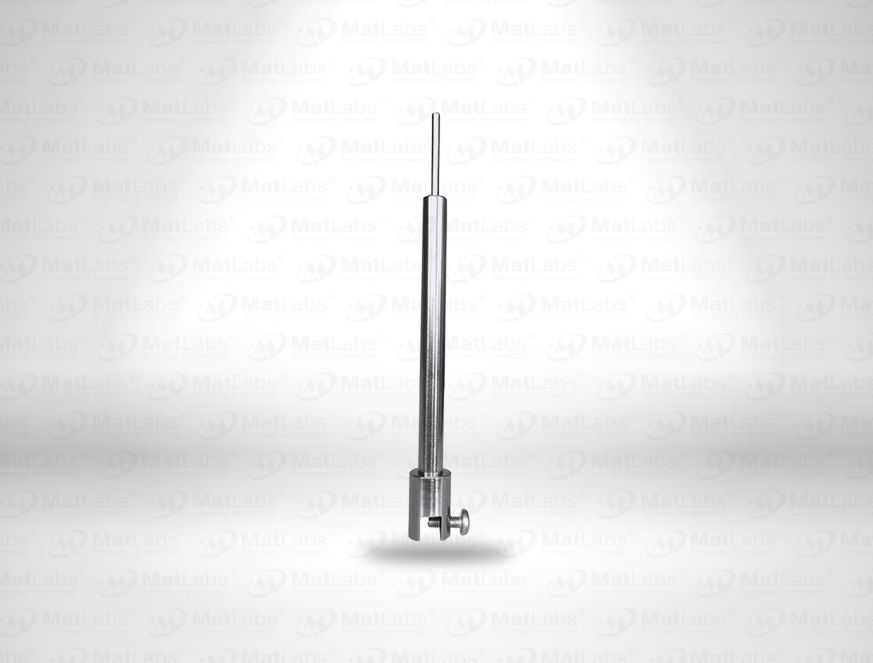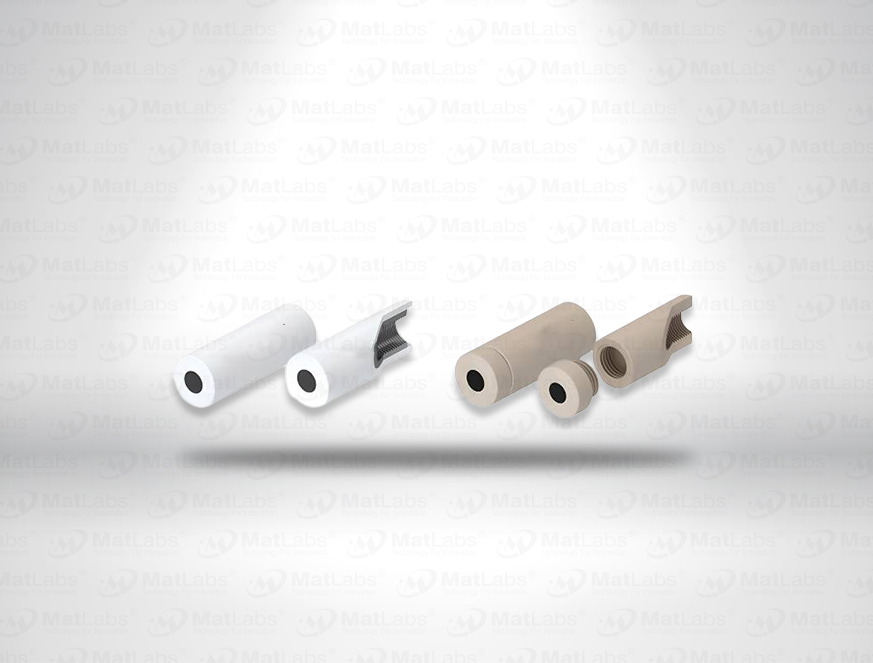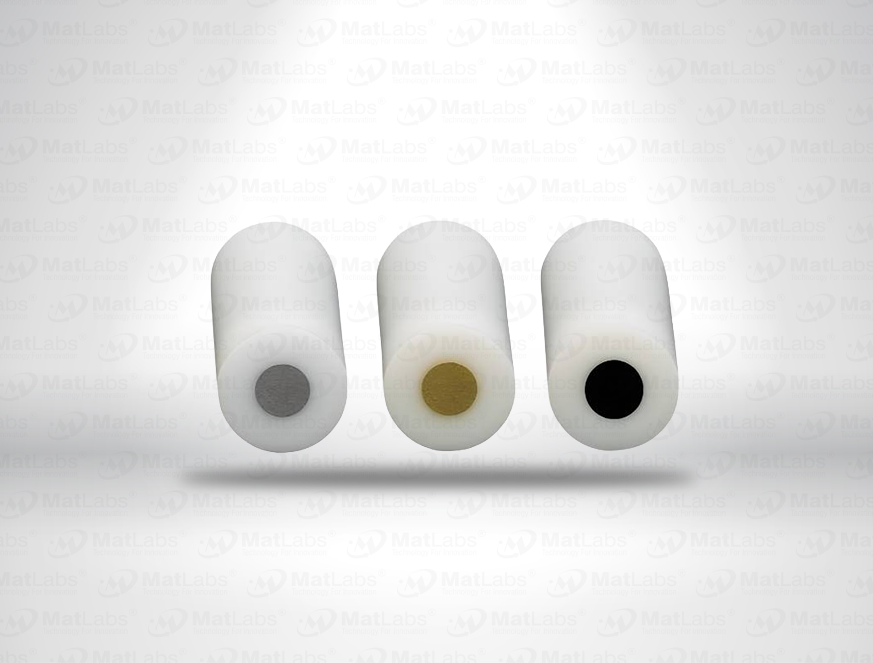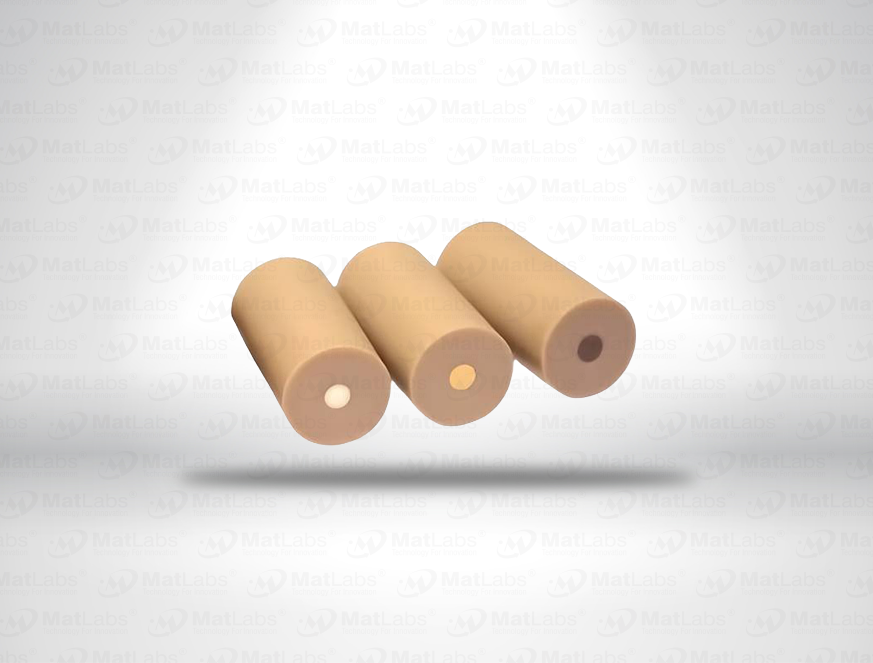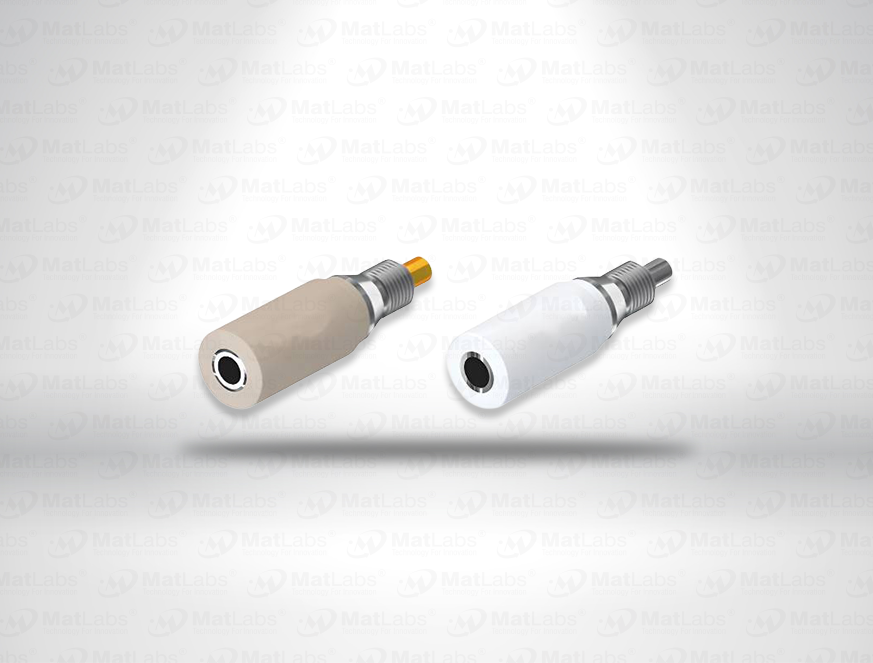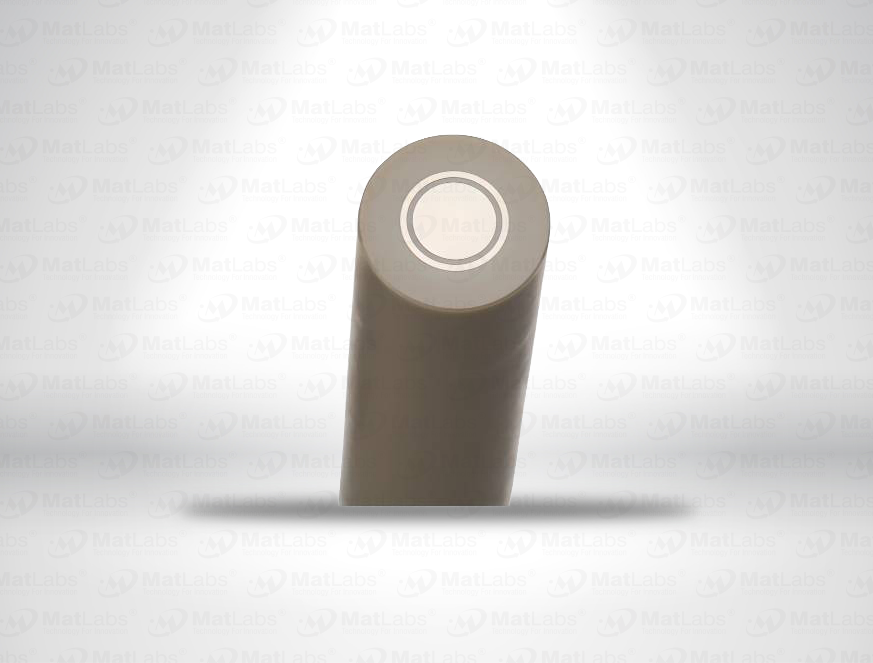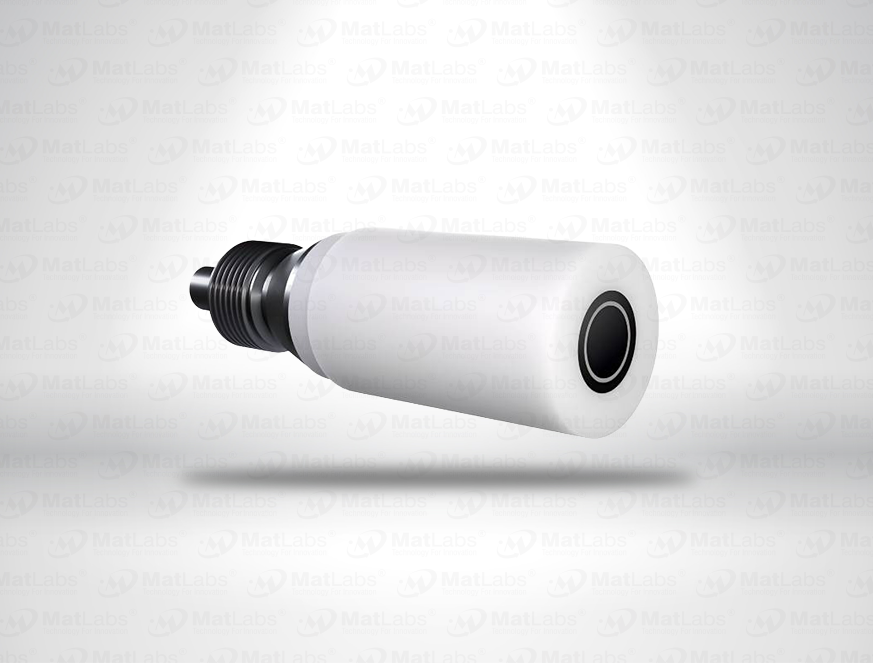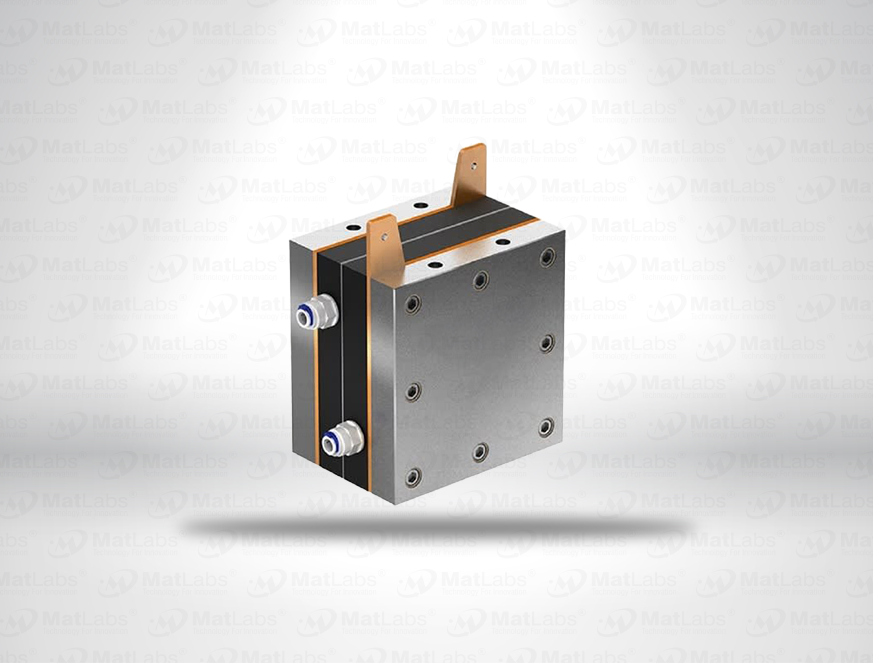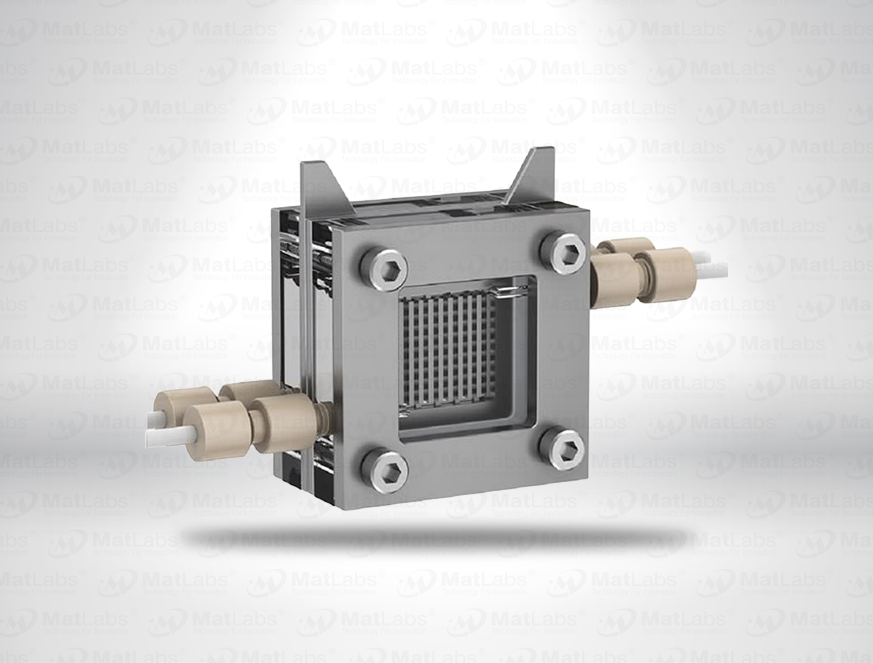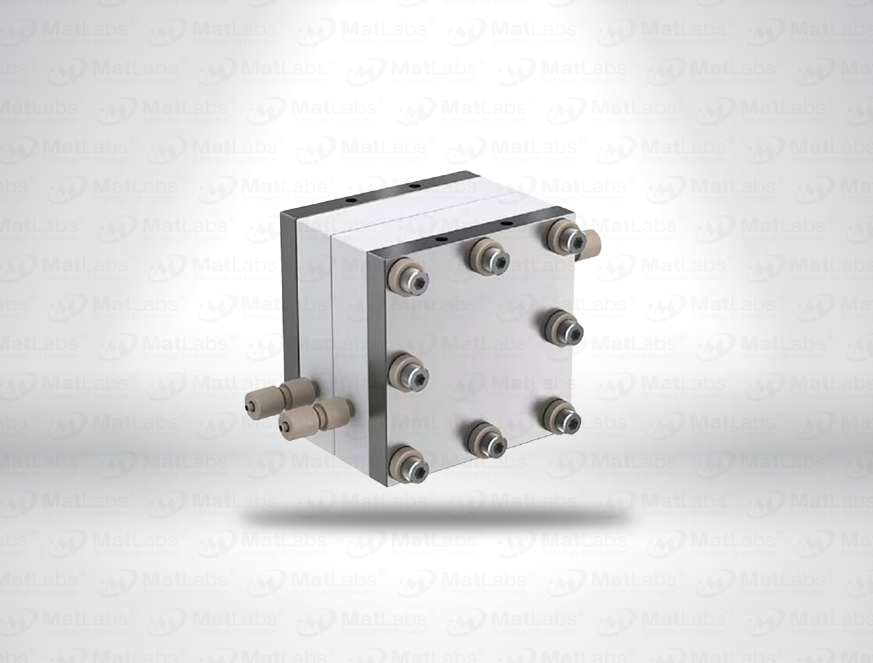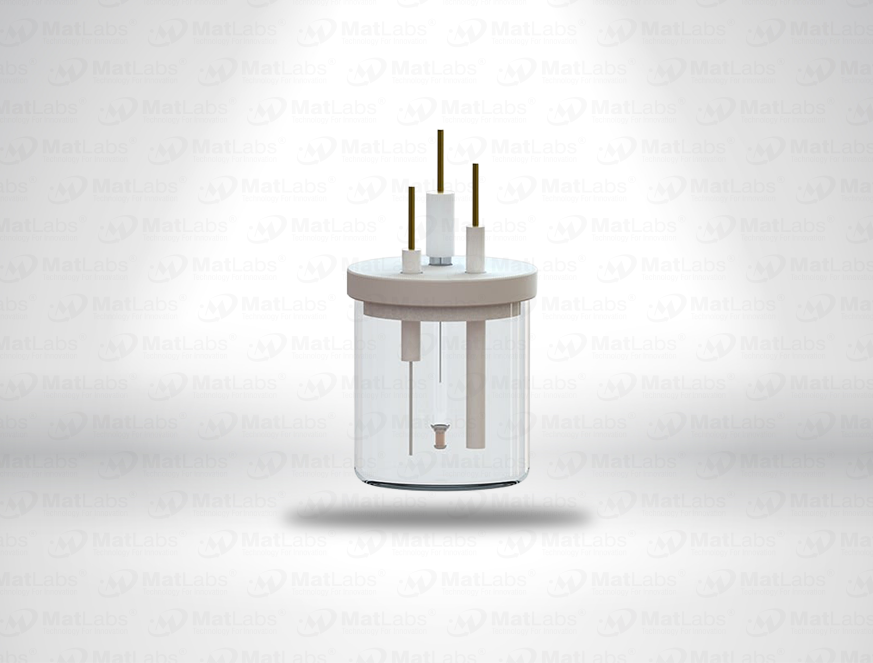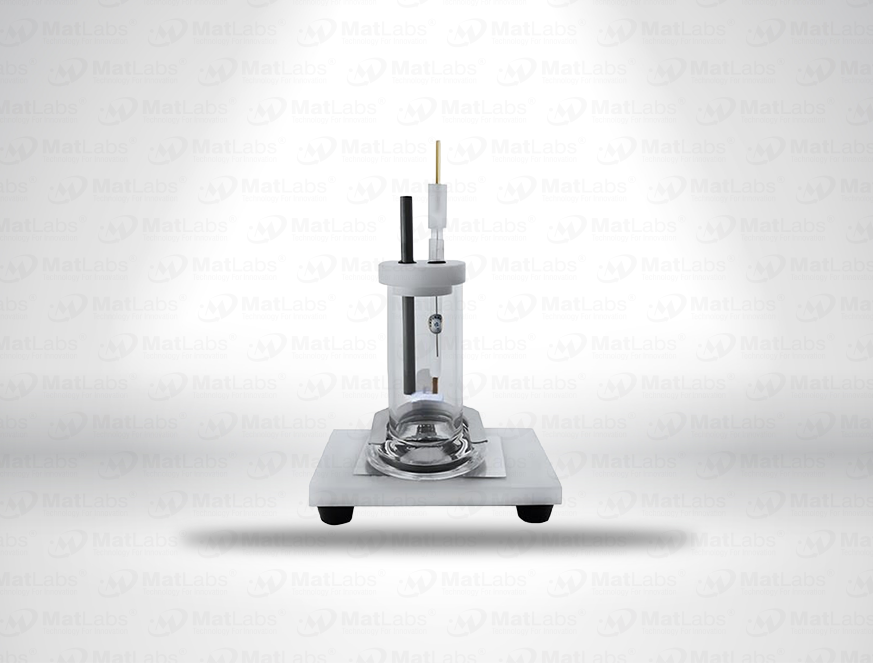
Gold–Gold Rotating Ring-Disk Electrode (Au–Au RRDE)
Au–Au Rotating Ring-Disk Electrode (RRDE)

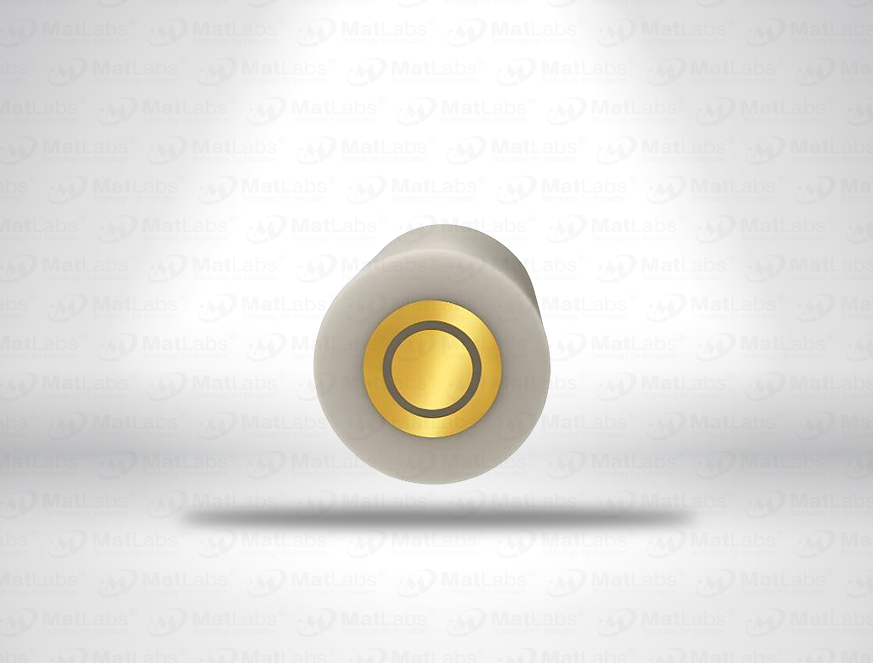
Overview
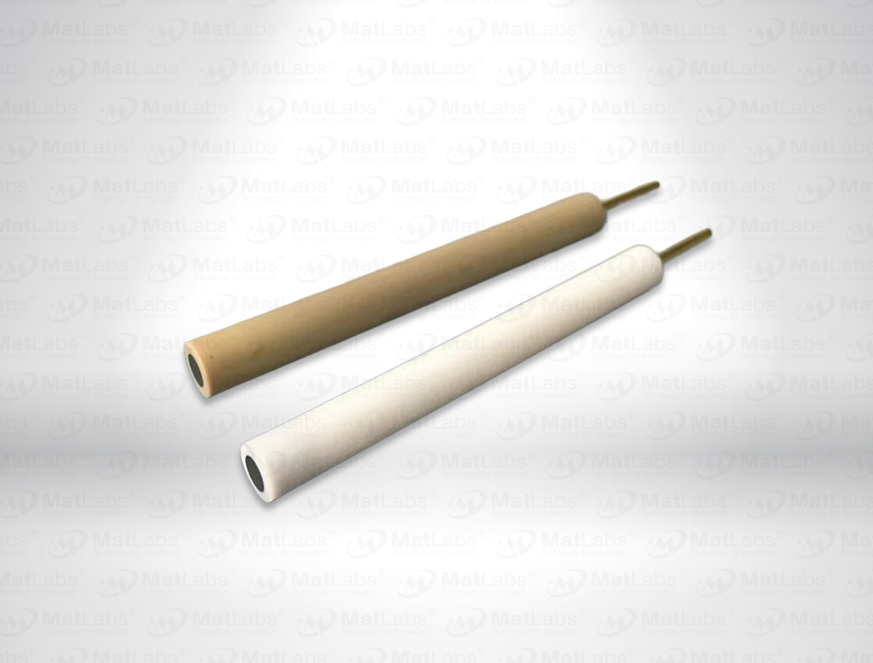
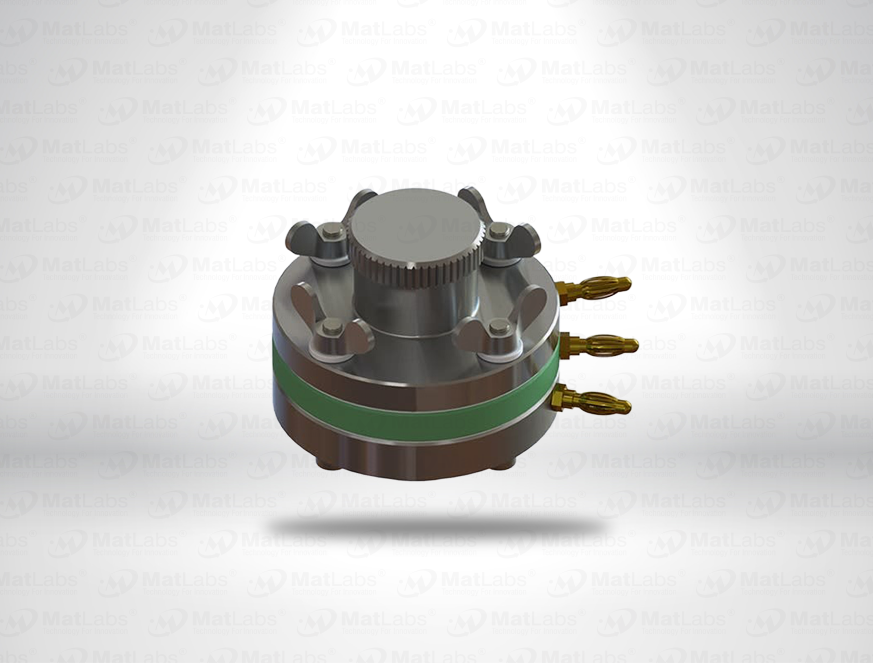
The Gold–Gold Rotating Ring-Disk Electrode (Au–Au RRDE) from Matlabs is crafted for advanced electrochemical research involving intermediate species detection and surface reaction kinetics. Both the disk and ring are made of high-purity gold, providing excellent conductivity, corrosion resistance, and catalytic activity toward a wide range of redox systems, including sulfur, halide, and oxygen-based reactions.
Principle of Operation
The RRDE configuration enables the disk electrode to initiate an electrochemical reaction while the ring collects or quantifies generated intermediates. The gold–gold configuration ensures uniform catalytic behaviour and eliminates cross-material interference, making it particularly useful in studies of CO₂ reduction, thiol oxidation, and chloride electrochemistry. The high rotational symmetry ensures laminar flow and reproducible diffusion control.
Key Specifications
- Disk Material: High-purity (99.99%) gold
- Ring Material: High-purity (99.99%) gold
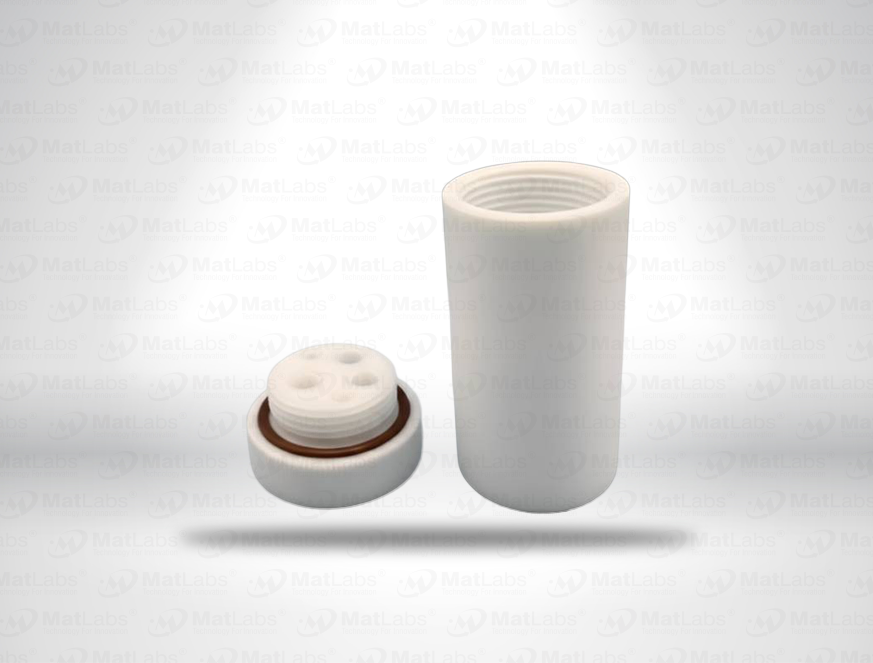
- Body Material: PTFE or PEEK housing for chemical stability
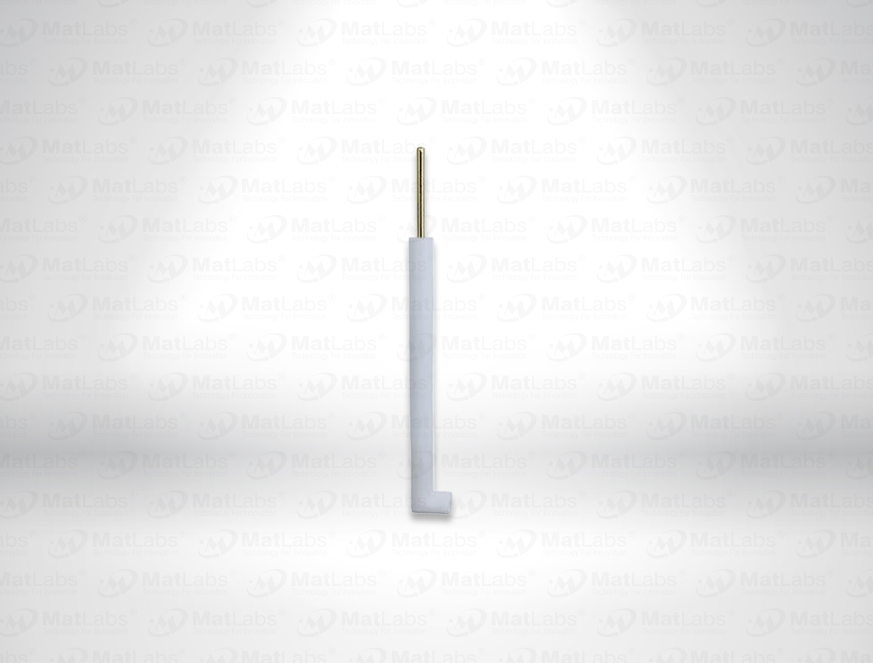
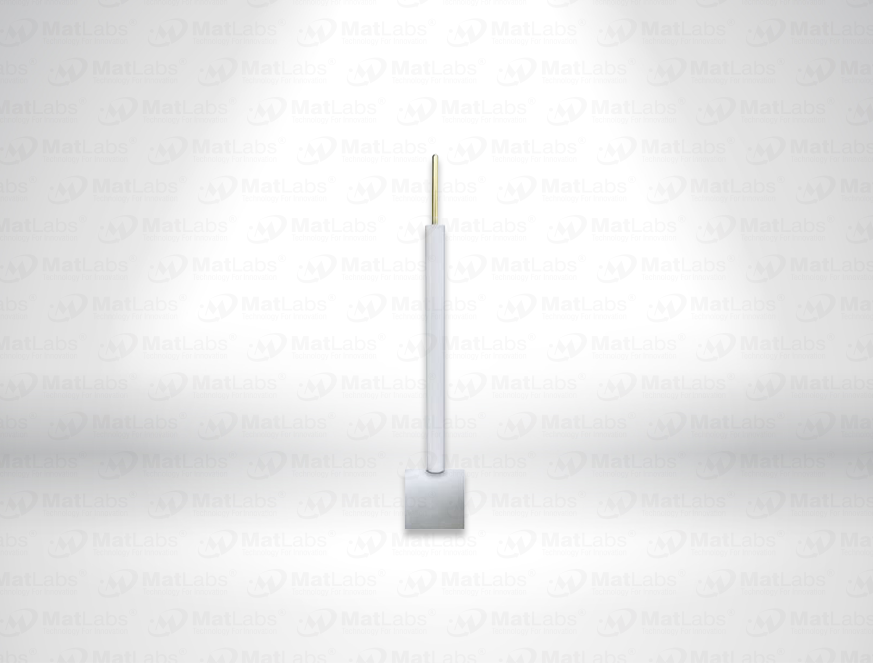
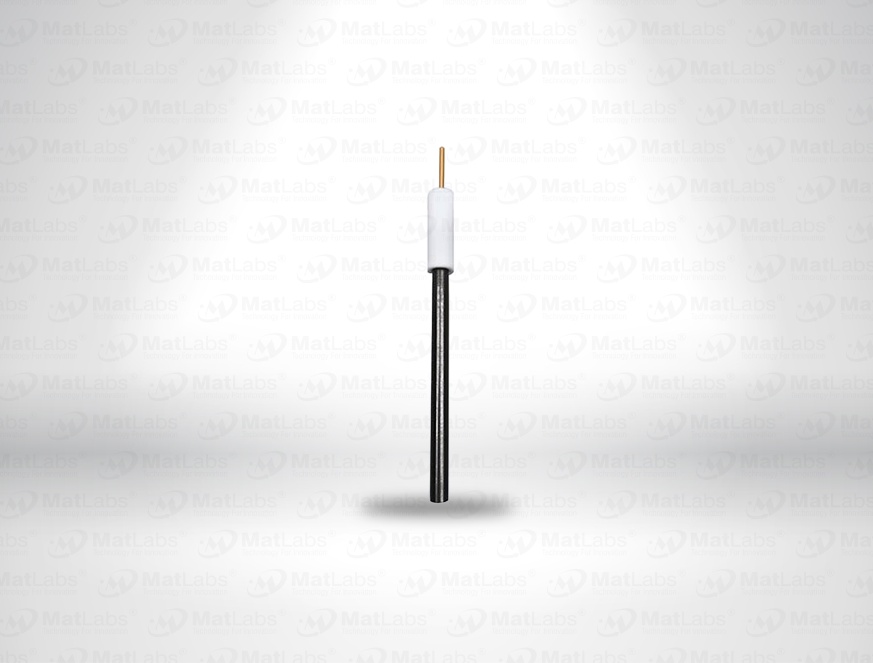
- Electrical Contacts: Independent gold-plated connectors for ring and disk
- Typical Collection Efficiency: ~37% (custom configurations available)
Applications
Ideal for:
- CO₂ reduction and halide oxidation studies
- Fuel cell and electrocatalyst evaluation
- Intermediate product quantification in redox systems
- Adsorption, desorption, and surface modification research
Why Choose Science Gears
Matlabs provides customizable Au–Au RRDE electrodes built with precision tolerances for accurate alignment, mechanical stability, and consistent collection efficiency. Every electrode is mirror-polished, pre-tested for electrical integrity, and compatible with leading RRDE rotators.
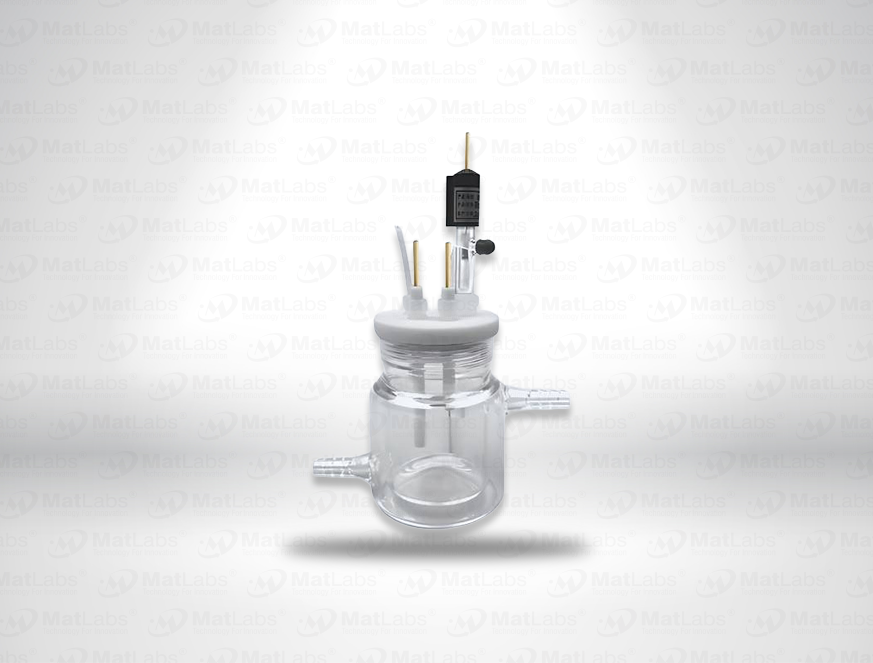
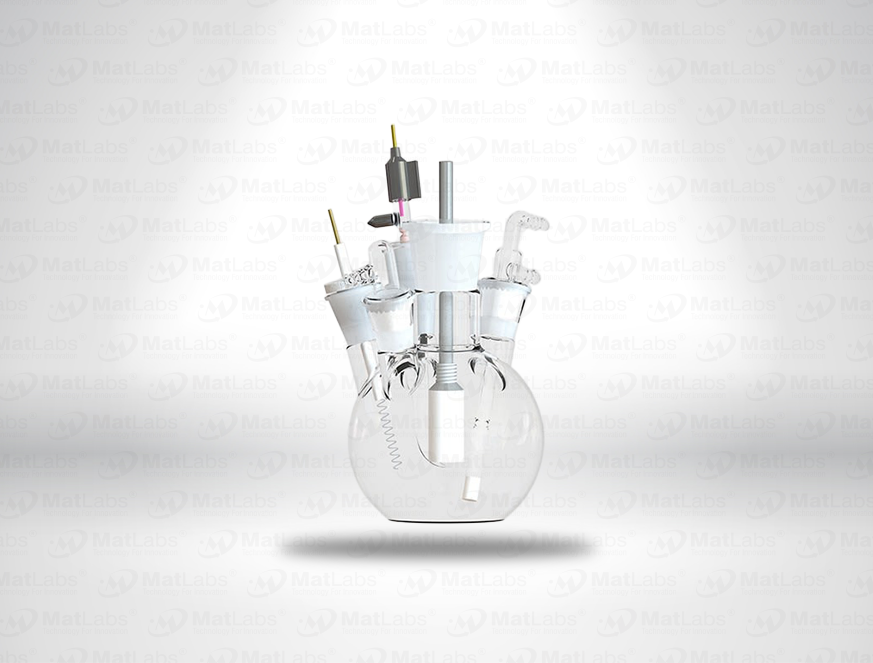
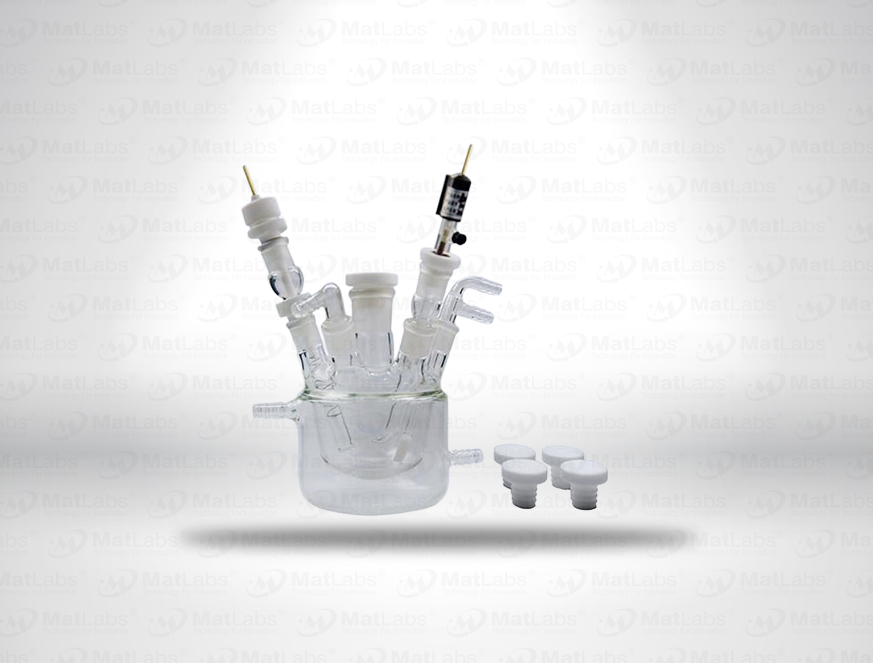
Matlabs also supplies RRDE controllers, potentiostats, and corrosion test cells, enabling researchers to establish a complete experimental setup.